

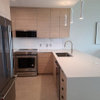
Filler where upper dead ends into wall?
6 years ago
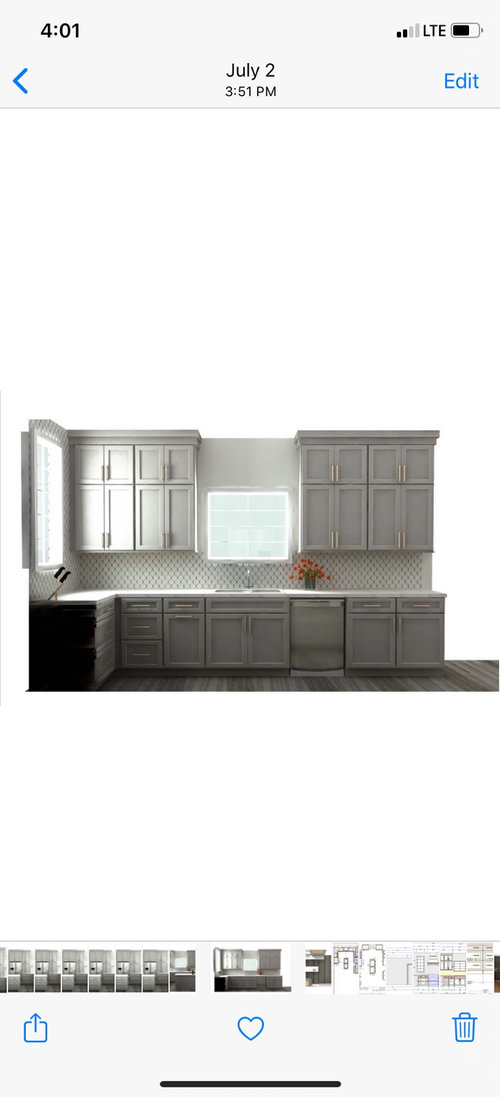
Featured Answer
Sort by:Oldest
Comments (10)
 6 years ago
- 6 years ago
Related Professionals
Indianapolis Interior Designers & Decorators · Zanesville Architects & Building Designers · Sioux Falls Architects & Building Designers · Palm Desert Architects & Building Designers · San Diego Architects & Building Designers · Las Vegas Architects & Building Designers · Wilmington Kitchen & Bathroom Designers · Tulsa Kitchen & Bathroom Designers · Burlington Kitchen & Bathroom Designers · Minneapolis Kitchen & Bathroom Designers · Kenosha Kitchen & Bathroom Designers · Modesto Kitchen & Bathroom Designers · Ocala Kitchen & Bathroom Designers · Cape Girardeau Kitchen & Bathroom Designers · Vicksburg Kitchen & Bathroom Designers PRO6 years ago
 6 years ago
- 6 years ago
- 6 years ago
- 6 years ago
- PRO6 years agolast modified: 6 years ago
- 6 years agolast modified: 6 years ago
Related Stories
ROOM OF THE DAYRoom of the Day: From Dead End to Cozy Nook
An interior designer turns a small space off a hallway into one of her family’s favorite spots in the house
Full Story
SMALL KITCHENSThe 100-Square-Foot Kitchen: No More Dead Ends
Removing an angled peninsula and creating a slim island provide better traffic flow and a more airy layout
Full Story
REMODELING GUIDES11 Reasons to Love Wall-to-Wall Carpeting Again
Is it time to kick the hard stuff? Your feet, wallet and downstairs neighbors may be nodding
Full Story
REMODELING GUIDESWhere to Splurge, Where to Save in Your Remodel
Learn how to balance your budget and set priorities to get the home features you want with the least compromise
Full Story
DECORATING GUIDESMake Your Fixer-Upper Fabulous on a Budget
So many makeover projects, so little time and money. Here's where to focus your home improvement efforts for the best results
Full Story
MY HOUZZ9 Kitchens Where Open Shelving Rules
Find out why these homeowners ditched their upper cabinets
Full Story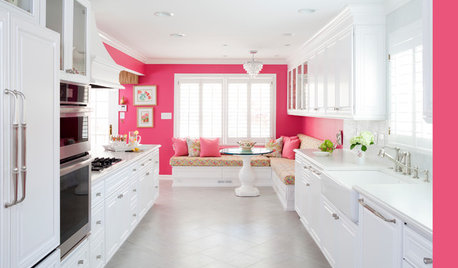
BEFORE AND AFTERS6 Kitchen Transformations Where Color Plays a Role
See how paint on cabinets and walls gives these kitchens a fresh look
Full Story
LANDSCAPE DESIGNGarden Walls: Pour On the Style With Concrete
There's no end to what you — make that your contractor — can create using this strong and low-maintenance material
Full Story
GREAT HOME PROJECTSWhat to Know About Adding a Reclaimed-Wood Wall
Here’s advice on where to put it, how to find and select wood, what it might cost and how to get it done
Full Story
EDIBLE GARDENSHouzz Call: Where Are the Craziest Places You Grow Edibles?
Basil in a bathtub, spinach stacked up a wall ... If your edibles occupy an odd spot, we’d like to know
Full Story
User