Software
Houzz Logo Print
jon_boffa

Starting new raised bed garden in the fall

6 years ago

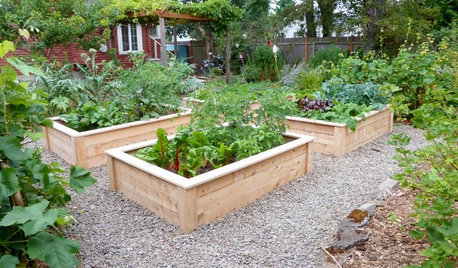
The garden bug has bit me and I decided to expand on my veggie gardening, and just constructed three (3) 4x12 (10" high) raised beds, and each has a hoophouse topper. I'm overloaded with book and youtube input, and this has caused me to buy a variety of soil-making items, and I want to start these out right for my 7a zone.

I am hopeful someone can help break it all down for me, and I can setup each bed the proper way with the right soil ingredients. So with ~120 cu. ft. to fill, I purchased the following:


- 48 bags of Scott's premium Top-Soil (.75 cf per)

- 38 bags of Nature's Care Organic Raised Bed Soil (1.5 cf per)

- 10 bags of Black Kow 50lb cow manure (~1 cf per)

- 6 bags of Vigoro Vermiculite (2 cf per)

- 6 10 lb bricks of coco coir

- 3 15 lb bags of worm castings


I'm pretty sure these items will fill my three beds. The question is in what order? My initial plan was to (first put down cardboard/brown paper) spread the coco coir at the bottom to help with water retention. Then lay a 2" base layer of the Scott's Top-Soil, then mix remaining top-soil with the organic raised bed soil, manure, and vermiculite. Top it all off with the remaining coco coir and worm castings.


Some issues to factor in here are what is beneficial for the fall planting I intend on doing for carrots, beets, garlic, and a selection of brassicas? Do I avoid manure in the beds that have root veggies for this fall planting?


I'm open to all recommendations on how to start off with a good fall planting, and then have these beds ready to go for Spring. Any input would be greatly appreciated!

Jon

Comments (4)

  • 6 years ago

    All a raised bed needs to have a successful growing media is plain old garden soil/topsoil/dirt amended with some organic matter....like compost or composted manure. Neither the coir nor the vermiculite contribute anything meaningful to a raised bed soil, tend to be overly expensive and both can be returned or ignored or saved for another purpose.

    Divvy up the rest of the materials equally between the beds and work it all together. Layers are also unnecessary. If constructing the beds over a grassy area you can use the cardboard as an underlayment.

    You don't need to overthink this - it is not rocket science :-) And you should be able to use and plant with the Black Kow right away. I'm pretty sure that is a composted manure product.

  • 6 years ago

    Do you have gophers in your area? If so, it would be advisable to line your beds with hardware cloth ((NOT chicken wire. It will rot and is too large to keep gophers/voles out)

    What I've always done when starting a raised bed is to break up the soil as deep as possible, add composted horse manure, water in, water in some more, build the bed with the hardware cloth, add a level of soil (sorry, I've always bought soil from the landfill or a landscape place rather than buy a zillion bags of stuff!) water in again. Repeat, adding just a few inches of soil at a time until you are almost at the top of your bed. It will still settle with time.

  • 6 years ago
    last modified: 6 years ago

    I will just add to the good advice nancyjane and gardengal have given.

    The beds you have built sound ideal and the amendments are good.

    But gardengal really nailed the best approach. This is not a container; you are not creating a soil medium from scratch.

    What you need is dirt, i.e., what is already there in the beds. You just want to dig it up and add amendments and mix it all together. But the actual dirt is the most critical ingredient - it has all the minerals and biology. The rest of the stuff is just to add organic matter and improve on your native soil and also work some air into the soil.

    I usually go 60% dirt and 40% amendments by volume. Dig down 1 to 1.5 feet and break up the soil. Add the amendments and then turn it in, mixing it all up. This is hard, sweaty, work. I am now getting up there in years, so for this phase I usually recruit some neighbor high school kids that would like to make some extra money to do the heavy digging for me. The amendments and the air will raise the soil level up 4 to 6 inches. That is perfect, because your 10" sides will accommodate that plus a thick layer of mulch on top. (We are coming up to the fall season - be sure to save and shred all your leaves because they make the perfect winter mulch.)

    Once things are dug in, you can plant. Carrots, lettuce, spinach, kale and brassicas can be grown from seed for the fall.

    Don't feel obligated to plant the whole thing. Use a part of it, and then when you get some leaves, heavily mulch the whole raised bed. That mulch will start to decompose over the winter giving you free compost by the time you are ready to plant things like tomatoes and corn next year.

    Another option is to plant a cover crop in unused portions of the beds - like hairy vetch and rye grass. Those will survive the winter, then you can cut them down and add them to the soil about a month before you need to plant next season.

    So there is lots of good news here. You have built a great raised bed, you have some good amendments ready, and you are going to be able to plant right away. And you will be able to take some of the stuff you purchased back and get cash! It doesn't get any better than that.

  • 6 years ago

    "But the actual dirt is the most critical ingredient - it has all the minerals and biology." from Richard's post. I have been watching Monty Don's Gardeners' World on Britbox and was fascinated to see him add garden soil to his potting mix because of the need for what Richard described. I've noticed that some soil mixtures are now coming with "micro nutrients" but I think Monty Don is also adding important microbes.

    I like the lasagna method of building beds. I would recommend the addition of straw, chopped leaves and/or similar. Worms like old leaves and composted manure and you want to attract a lot of worms.