Software
Houzz Logo Print
cristina_a51

Why are my hydrangeas dying??

6 years ago

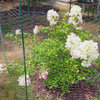
Hi, i have 3 hydrangeas and one of them has about 3 flowers but the other two are looking pretry sad. (I've had them for a couple of months)
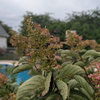
They have a lot of brown leaves and that eventually become all brown and die.
I dont know what im doing wrong, they got way worse this past weekend because im in the North of México and it was veeery hot.
They get sun until about noon and afternoon shade.
Im very sad because i see them dying but at the same time, there are a lot of new leaves coming in . As you can see im new at this, and would apareciste any advice, thank you so much!

Comments (3)

  • 6 years ago
    last modified: 6 years ago


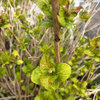
    As you can see it looks awful :(

  • 6 years ago
    last modified: 6 years ago

    The plant in the picture is not dying but, it is not to happy this summer. Hydrangeas suffer from heat stress mostly during the summer months: when temperatures are typically at or above 85F/29C; when they get too much sunlight; when they get too much wind; when they lack soil moisture; when they are young.

    There is not much that you can do when temperatures are too hot. If planted in the ground, you could use 2-4 inches/5-10cms of organic mulch to minimize soil evaporation and protect the roots from temperature extremes.

    In my area, I provide them with shade starting at 10-11am; I suggest you do something similar instead of providing shade by 12pm. The sun is just too strong at 12pm so you may try re-locating the pot elsewhere. Hydrangeas need either morning sun (until 10-11am in this area) or dappled sun. They should receive shade in the afternoon and at night. When researching sunlight problems, consider also reflected sunlight from walls, cemented surfaces, etc.

    Inconsistent watering creates a look similar to what you have in the picture. Hydrangeas prefer soil that is as evenly moist as you can make it. Try to avoid periods of dry soil, then moist soil then dry soil again. Insert a finger into the soil to a depth of 3 inches/7cms and water if the soil feels dry or almost dry (hydrangea roots are usually in the top 4 inches/10cms but in a pot, they will grow around the inner side of the pot. Verify that the drainage holes in the pot are not clogged to avoid soggy soil and only use well draining potting soil. It would be best not to use local soil in the potting mix, specially if the soil is clay or is too alkaline. Never water the leaves to minimize the chances of getting fungal infections (like powdery mildew, cercospora leaf spot, etc.). Instead, water only the potting the soil. Begin watering more (more than you water in Spring) as soon as temperatures typically reach or exceed 85F/29C. Down here, that usually happens in May. I then revert back from May/Summer levels to Spring levels around September.

    Do not over-water to prevent root rot. Using the finger method and well draining potting soil will help with this when you have to water a lot during the summer months. But once temperatures are typically below 85F/29C then water less. Once the plant goes dormant, reduce waterings to once a week or so but resume at Spring levels when you see leaf out. Note: a plant that is wilted 24/7 may have root rot.

    Winds can quickly dry out the potting soil if the pot is located in a windy area. You can re-locate the plant or use some form of wind block. If the weather service announces that there is going to be a windy day or issues warnings/alerts for people in boats due to winds, consider watering the plant "off schedule" the night before.

    I could not tell what material the pot is made of from the picture. Be aware that some plastic pots, if they get enough sunlight, can warm up. Then any roots that are growing around in a circle around the pot may be disturbed by the heat. Providing more shade would help, especially in the summer. Some hydrangeas can get quite large; the plant label usually gives an estimate of height/width. Absent this information?... assume a height/width somewhere around 5 feet/1.5 meters. Obviously this means you will have to transplant it into a bigger container "soon".

    If you observe that the leaves are browning from the edges inwards, the plant needs more water. Feel free to increase the amount of water when temperatures routinely reach or exceed 85F/29C. The leaves eventually will dry out but hydrangeas will produce new foliage either right a way, in the Fall or in Spring 2021.

    When the plant is heat stressed, the leaves may wilt/droop. This indicates that the leaves are losing moisture faster than the roots can absorb more water. Hydrangea leaves will perk up at night all on their own if the potting soil has enough moisture. To know if they have enough moisture, use the finger method and check the soil moisture at a depth of 3 inches/7cms or so. If the plant remains wilted in the morning, it did not have enough moisture so give it some water.

    Hydrangeas prefer acidic soils and tolerate some alkalinity but up to a point. If you notice that the leaves are turning a light green, yellow or white color but the leaf veins remain dark green, it is time to amend the potting soil again. The potting soil used should be well draining soil used for ericaceous plants like azaleas, rhododendrons, camellias, hydrangeas and blueberries. You can "acidify" the potting soil by adding some garden sulfur, greensand, aluminum sulfate or iron-chelated liquids. These supplies are typically found here at stores that sell azaleas and other ericaceous plants. I typically amend my alkaline soil either once or twice a year (for plants in the ground) but since your plant is potted, it may need more applications to replenish the minerals lost because of all the frequent waterings in the summer months.

    In future years, the plant will develop a more extensive root system and new foliage that can handle the summer conditions better. But it still will suffer some heat stress during the worst of the summer so be prepared.

    Continue a regular fertilizer program for acidic plants (use a fertilizer for acidic plants).

  • 6 years ago

    thank you so much for your comment, I will definitely work on this. I appreciate you taking the time!