Software
Houzz Logo Print
roseseek

The excitement builds!

5 years ago
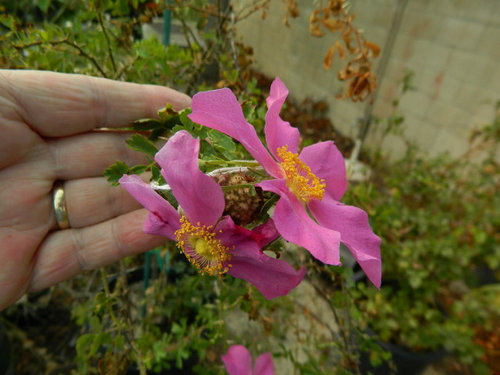
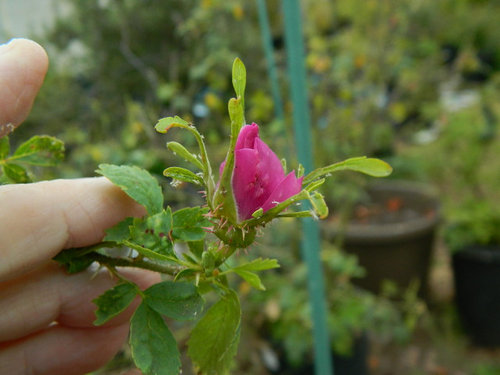
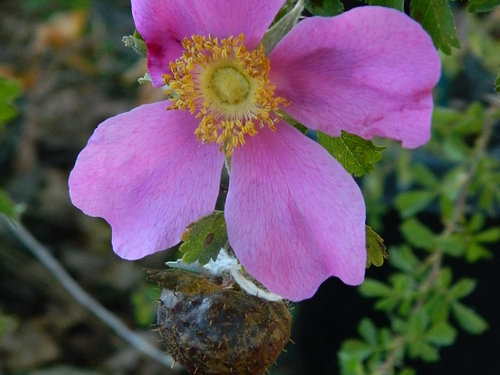
I've played with R. Stellata mirifica for over thirty years with a few successes in the most recent years. What I had in the back of my mind was to cross Mirifica with Minutifolia as both are members of the genus Hesperhodos. Fortunately, as long as they receive water, both Stellata and Minutifolia continue their flowering nearly year round in this climate.


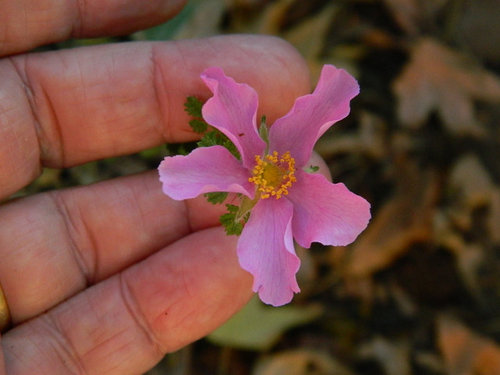
Stellata mirifica in flower late October.


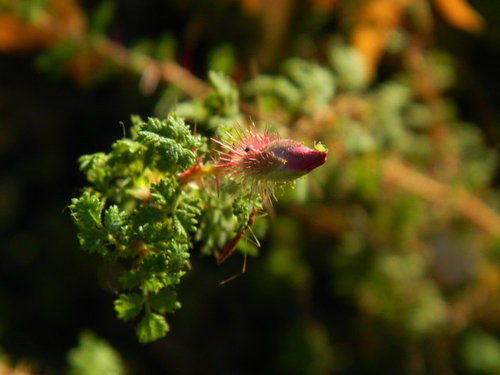
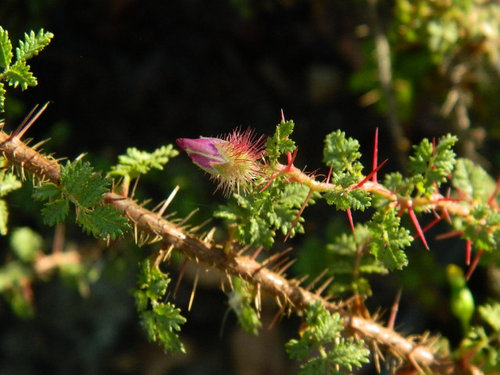
I was growing four forms of Minutifolia but have narrowed that down to the UC Berkeley pink Mexican and Pure Bea white Mexican as those are the two which flower the most heavily here; set hips with seeds and appear to be the ones whose pollen has worked in creating the hybrids I am now working with.


UC Berkeley Minutifolia in flower now.


I have previously attempted to pollinate Mirifica with Minutfolia pollen, but the stigma disk is quite deep in the ovary. After a number of failed attempts, I employed a small paint brush to apply the pollen down inside the ovary. Ralph Moore lamented a number of times how he felt his more unusual crosses weren't as successful as he hoped due to not using sufficient pollen. Taking that cue, I drowned these flowers in Minutifolia pollen. Fortunately, there have been many Minutifolia buds available, so there was a good supply of pollen available. Mirifica doesn't set many self hips in my experience. The very few it does, usually are empty. In all the years playing with it, only two seedlings have occurred from its seed, with only one surviving. It is listed on Help Me Find as "Puzzlement", as it is a presumed hybrid between R. Stellata mirifica and R. Fedtschenkoana.


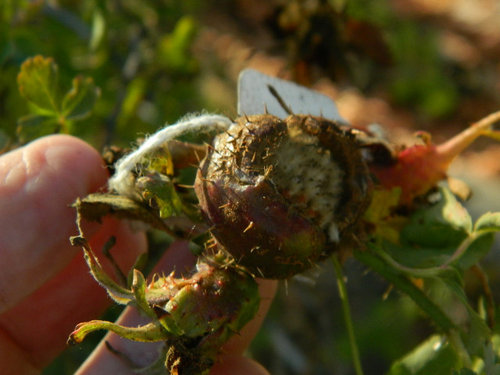
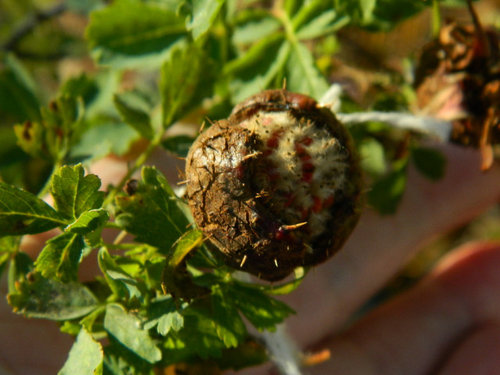
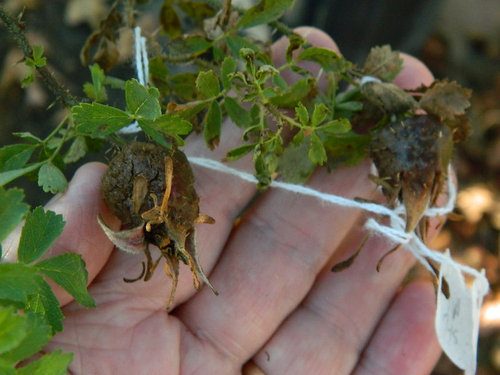
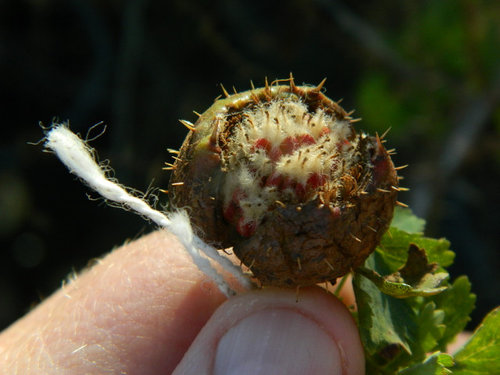
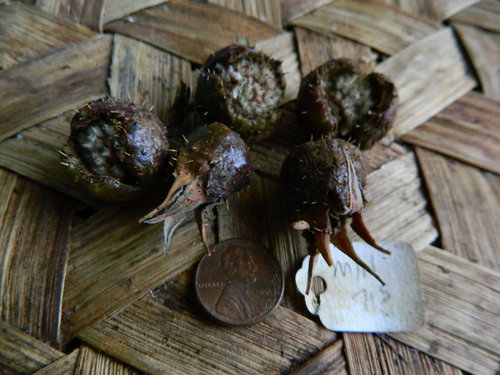
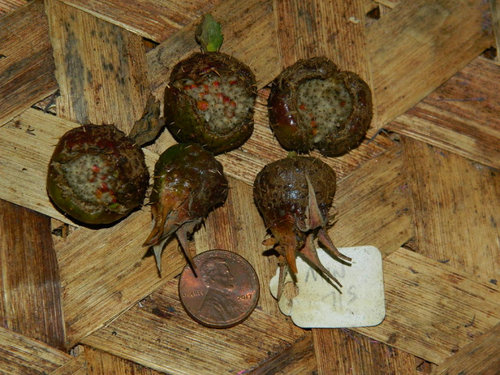
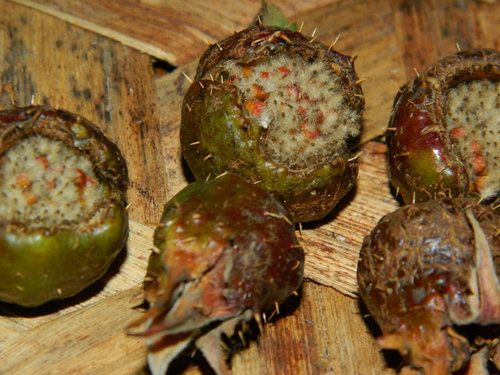
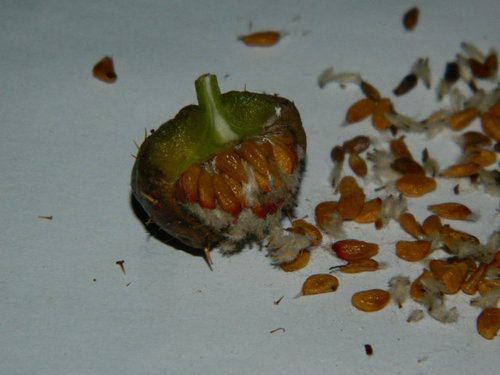
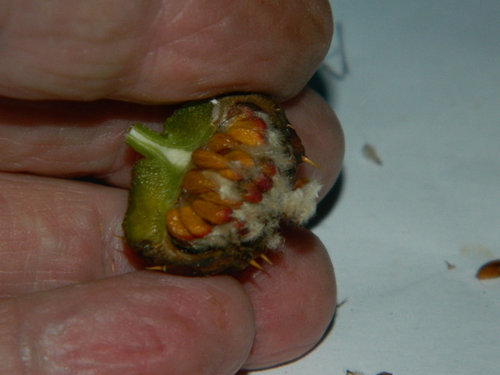
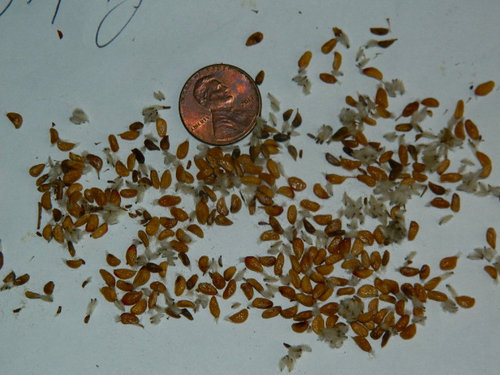
The brush-applied pollen worked! Hips set and have remained on the plant for four months and one week, when I harvested them today.


Seeds are generally felt to be "ripe" after approximately 110 days after pollination. These have enjoyed approximately 130 days to ripen.


I've raised several Minutifolia self seedlings. All of them have succumbed to mildew during infancy. I find no information about whether Mirifica seedlings might also suffer from a proclivity to mildew. I don't spray, but for these, I think I am going to use the safest fungicide I can obtain. With the ever-present wind and the dogs claiming the entire area as their "Queendom", it has to be safe enough to not harm any of us.


A rather interesting trait you usually won't experience with Hesperhodos unless you harvest seeds from hips is the stench of the hip interiors. It is a rather strong "Valerian root" stink, rather like old, sweaty sneakers to my nose, though the other nose in the house related it was quite like "picking up the poop in the yard". Yeah, it's THAT unattractive. Fortunately, the flowers are nicely fragrant.


I'm excited to see what germinates from these! None of the other potential self set hips have swelled as these have, so I guess the great amount of pollen I applied was quite effective! Now to buy clean sand to mix with the potting soil to plant these in.

Comments (4)

  • 5 years ago

    Amazing, Kim! Good luck with the babies.

    roseseek thanked Sheila z8a Rogue Valley OR
  • 5 years ago

    That first photo . . . The blooms are lovely.

    roseseek thanked jerijen
  • 5 years ago

    Thank you! Ralph Moore preached for YEARS, "Don't stir the pot! Bring something new to the table." Before him, the very little which had been done with "miniature roses" was stirring the pot. He added R. wichurana to the mix to increase hardiness, health, ease of rooting, add to the vigor, add new scents and flower forms and a few other benefits not coming to mind during my grogginess! Then, he began mixing other species with them, and stripes, cresting, mossing, even Hulthemia blotches. I'd originally begun working with Fedtschenkoana because I love it and there wasn't really anything documented as having been done with it, until DNA showed it's already "in there"! Autumn Damask contains Gallica, Moschata and Fedtschenkoana, so that's not "new". The only work really done with Mirifica was by Louis Lens and may well have occurred because of the material I sent him with a friend who used to be able to fly anywhere in the world for the taxes and visited Belgium annually (sometimes more frequently) as her son and his family lived there. Mr. Lens created Pink Mystery, which is a remarkable rose! He actually sent it to me (with quite a few others) as a "thank you" for the literal garbage bags of material which traveled with my friend. I grew it for years and spread it everywhere I could find willing recipients. It, unfortunately, appears to have died out in the US and even the Lens Nursery lost it. Because of my inquiries, they located it in a private garden in Europe and brought it back into the nursery. For how long, who knows? Unfortunately, we can't get it here.


    I'd already raised many Minutifolia hybrids and have third generation seedlings from it. I've been pimping Mirifica pollen everywhere all summer and fall. Since no one else appears to have paid much attention to Hesperhodos, why should 't I? They love it here. I love them and someone should explore what benefits they may hold. If anything should be able to cross with Stellata, it SHOULD be Minutifolia. The Mexican Minutifolia appears to be the more fertile, compared to the California type, so I focused on using it with Stellata mirifica. Perhaps combining the two may open wider doors for further crosses? I did use Mirifica pollen on the seed parents which were willing to mix with Minutifolia, so this spring should show some interesting results!