Software
Houzz Logo Print
amanda_cortinas

Back apartment possibly built on slab that is too short...

5 years ago

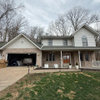
So to make a long story short, I’m interested in purchasing a property that consist of a main house and a back apartment that was recently added on. i brought my dad and a friend of his who has some experience w building to check out the house, but they were only able to look at the outside. they both agreed that the floor (i think it’s slab? or cement?) was built too low, we didn’t measure it, but it’s definitely less than a foot tall. So they’re worried about flooding etc., they also think the whole apartment will have to be knocked down and rebuilt (they are not professionals, this is just what they are thinking). because I’m very drawn to this property I decided to go on a contract (I’m told I have 10 days to back out if i want to). turns out the apartment was built w/o permits (Ive had a few people tell me to back out because of this). But during this time I’m going to get a professional contractor and city inspector to check it out. I guess I’m asking if this foundation Sounds like a serious issue? I also want to be a little prepared and educated when the professionals come out. And if they say the property doesn’t have serious issues, should I go forward?

Comments (11)

  • 5 years ago

    thanks In advanced, I appreciate all input as this is my first time buying a house.

  • 5 years ago

    Get a building surveyor to look at it

  • 5 years ago

    No way for anyone to realistically offer any more advice than a surveyor and home inspector. We have zero info to go off of.

  • 5 years ago
    last modified: 5 years ago

    obviously not expecting anyone to know more than the professionals. Just thought maybe someone who has been through a similar situation, or maybe some one who works in those professions can offer some wisdom. but thanks anyway for your helpful input :)

  • PRO
    5 years ago

    You would need to provide a lot more info , pictures and IMO if done without permits plan on ripping it out and I would deduct that cost from any offer I made. I guess the next question would be do you need that space at all?

  • 5 years ago

    Pictures may help. General location (Low Country, Desert, Mountains, etc, etc) of the home may help. Lot type (flat, hilly, etc) and topography may help. You have not said why you would be concerned with flooding, does the area have flood issues? Low lying area? What will the city make you do in terms of having this inspected? Tear it down? Gut it to expose plumbing and electric?

  • 5 years ago

    There are many different things you could do an some have already been mentioned such as re-negotiate the price, another would be ask to get the owners to get it permitted, Have a structural engineer come and look at the foundation to see if it meets the load requirements or if he can tell if it has footers. Slabs generally are not as thick as a foot except where there are footers where the depth can vary depending on where you are located and the soil conditions. What area of the country are you in. Does the ground freeze or are you in a mild climate where the ground doesn't freeze? What type of soil - clay, black loom, sandy etc.?

    I'm not sure why the thickness of the slab has anything to do with flooding. I'm guessing you're more concerned about the height of it being above grade. If so the grading should be looked at as well. If it is all flat and there is no grade for water to run off away from the foundation then it is a concern that water could rise enough in heavy rain to flood the area. Can always ask for grading to be fixed or re-negotiate the price. So many things that could be negotiated if you really want the property, but make sure that when you negotiate it that you'd be able to afford the remedy the issues or you will regret it going forward.

  • PRO
    5 years ago

    If the apartment wasn't there, is the list price reasonable? Did they declare in the listing docs that the apartment was built without permits?

  • 5 years ago

    Would they have been allowed to build the apartment? Would it meet the setback and zoning requirements? Is the property on city sewer or septic?


    I am skeptical by nature, but getting a permit is not that difficult or expensive, so not getting one raises a big red flag. Often people take a patio, garage or other non-habitable space and turn it into indoor space without going the proper route.


    What makes this property so special to you? Will you be able to get a mortgage and insurance?

  • 5 years ago
    last modified: 5 years ago

    ^All of the points above are good observations.

    In my area having an unpermitted structure can be a big issue resulting in large daily fines. It doesn't matter if the unpermitted structure was put up before you purchased it, Whoever owns it at the time it is discovered by code enforcement is the one that has to comply AND pay the fine. That means, as a buyer, you are taking on the liability for that non-permitted structure. Better to address it now by having the seller get a permit after the fact (this can be done - but not always). You would want everything straightened out before closing including the sign off by the appropriate city/county.

    Naturally the alternate is to have it removed by the seller prior to closing.

    Or, cancel this contract and find something else.

  • 5 years ago

    Hire a structural engineer as one of your inspectors. Be present at the time of inspection. The engineer will advise you about the soundness of the structure. The engineer is your advocate. Listen to what they say.

    Call the building department of the local jurisdiction and speak to the head of the department. Tell them that you are considering purchasing a property that may have an unpermitted structure on it. What are the ramifications of the failure to have the structure permitted? My guess is the department supervisor will look it up and tell you. Most would.

    The answer as what happens if it is unpermitted depends on the local building department's policy. It may be as easy as the current owner filing for a inspection or as big as demanding that the structure in question be torn down.

    Do follow up on your calls to the building department and be insistent on getting answers that are clear and understandable to you. Follow up. Don't depend on your realtor to do this, do it yourself. You don't want any miscommunications or misunderstandings.

    If the answer proves to be a problem, you can request to extend the inspection period if you are still interested in the property. Otherwise, you can cancel the offer at no penalty except your inspection expenses.

    While this is not a deal killer, don't fall in love with the property. It may have problems that you don't want to make your own. It may not have problems. It depends on what your structural engineer finds.