

Pool plumbing- hydraulics
5 years ago
last modified: 5 years ago
Sort by:Oldest
Comment (1)

Related Stories
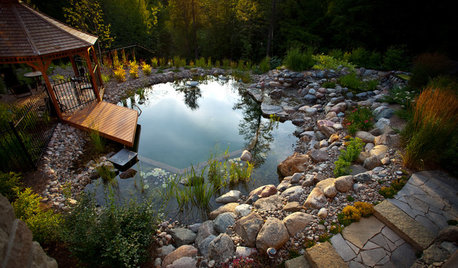
LANDSCAPE DESIGNNatural Swimming Pools: More Beauty, No Chemicals
Keep your skin and the environment healthy with a pool that cleans itself, naturally
Full Story
POOLSTrending Now: Pool Dreams
Visions of lounging by shimmering water have people saving these pools to their ideabooks, perhaps thinking, one day ...
Full Story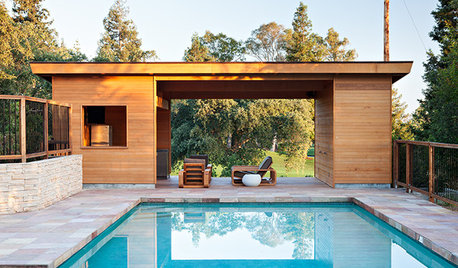
GARDENING AND LANDSCAPINGSee a Fairway-Side Pool House That Goes With the Flow
This airy California pavilion creates an easy indoor-outdoor flow as it offers shelter from the sun — and falling objects
Full Story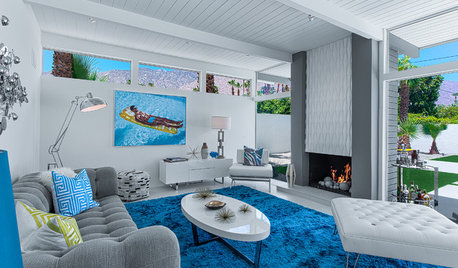
MIDCENTURY HOMESHouzz Tour: Pools and Martinis Inspire a Palm Springs Remodel
Weighed down by black-heavy ’80s style, a California desert home gets a fun and lighthearted look just right for its midcentury roots
Full Story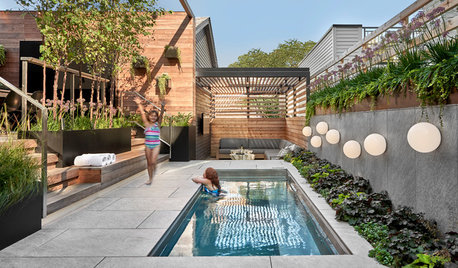
TRENDING NOWDive Into the 10 Most Popular Pools of 2019
Simple rectangular pools, local materials and well-designed pool houses ruled the most popular images this year
Full Story
BEFORE AND AFTERSMy Houzz: Happy Update for a Weathered Pool House
A New York glassware artist revamps the cozy pool house where she works and entertains
Full Story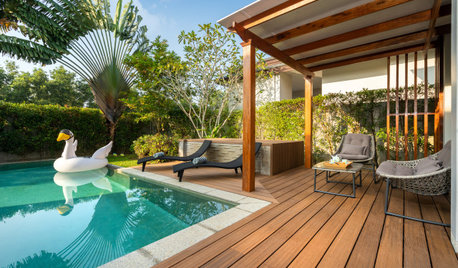
LANDSCAPE DESIGNBackyard of the Week: A New Pool and Spa, and Room to Lounge
A contractor finds a pleasing layout for water elements and a pergola-covered seating area in a compact backyard
Full Story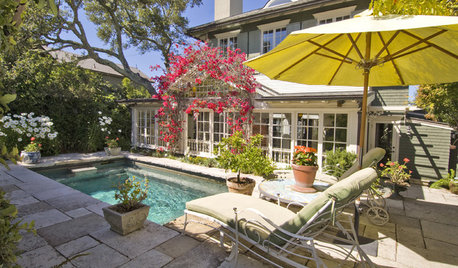
POOLS8 Ideas for Petite Pools
Modest in size but big on looks and function, pools like these offer a private swim space without requiring lots of room
Full Story
HOUZZ TV LIVEVisit a Texas Backyard Designed for Lounging and Playing
In this video, a landscape and pool designer gives a virtual tour of a client’s inviting pool, deck and putting green
Full Story
ARCHITECTUREDesign Workshop: Explore the Magical In-Between Spaces
Create new experiences inside and out by separating your main house from the guest suite, workshop or pool house
Full Story
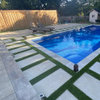
Mystic Pools, LLC
Related Professionals
Orange County Landscape Architects & Landscape Designers · Las Cruces Landscape Architects & Landscape Designers · Tuscaloosa General Contractors · Napa General Contractors · Saint Joseph General Contractors · Lynchburg General Contractors · Lawrence General Contractors · Lincoln General Contractors · Hays Home Remodeling · Enfield Home Remodeling · Minneapolis Home Remodeling · Nashua Home Remodeling · Spokane Home Remodeling · Cornwall Home Remodeling · Eugene Bathroom Remodelers