

Tankless electric water heater special considerations
5 years ago
Featured Answer
Sort by:Oldest
Comments (6)
Related Professionals
Cincinnati General Contractors · Seattle General Contractors · Lake Charles Home Remodeling · Greenville Home Remodeling · Lawrenceburg Home Remodeling · New London Home Remodeling · Panama City Bathroom Remodelers · Evanston Kitchen & Bathroom Designers · Dalton Bathroom Remodelers · Cape Girardeau Bathroom Remodelers · Williamsport Bathroom Remodelers · Athens Kitchen Remodelers · St. Louis Kitchen Remodelers · Columbus Kitchen Remodelers · Wichita Falls Kitchen Remodelers 5 years ago
- 5 years ago
- 5 years ago
Related Stories
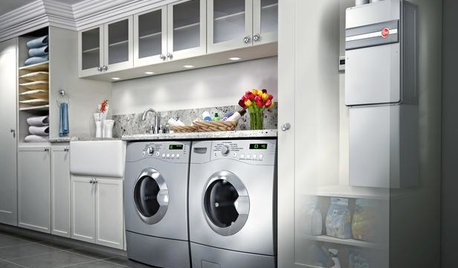
GREAT HOME PROJECTSHow to Switch to a Tankless Water Heater
New project for a new year: Swap your conventional heater for an energy-saving model — and don’t be fooled by misinformation
Full Story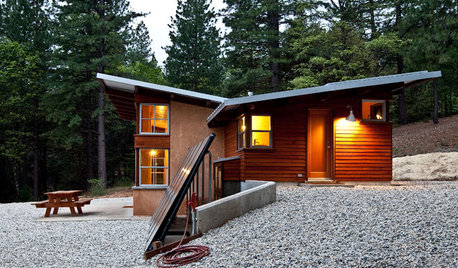
GREAT HOME PROJECTSHow to Add a Solar Water Heater
Lower energy bills without a major renovation by putting the sun to work heating your home’s water
Full Story
BATHROOM DESIGNWater Damage Spawns a Space-Saving Bathroom Remodel
A game of inches saved this small New York City bathroom from becoming too cramped and limited
Full Story
SAVING WATER11 Ways to Save Water at Home
Whether you live in a drought-stricken area or just want to help preserve a precious resource, here are things you can do to use less water
Full Story
GREEN BUILDINGWater Sense for Big Savings
Keep dollars in your pocket and preserve a precious resource with these easy DIY strategies
Full Story
THE POLITE HOUSEThe Polite House: How to Set Up an Extra-Special Guest Room
Items beyond the necessities will make holiday guests feel pampered. What extra touches would you include?
Full Story
LIFEThe Top 5 Ways to Save Water at Home
Get on the fast track to preserving a valuable resource and saving money too with these smart, effective strategies
Full Story
HOUZZ TOURSHouzz Tour: A Houseboat That’s Like a Woodsy Cabin on the Water
Bay views and an airy design make this Seattle home feel larger than its 880 square feet
Full Story
LANDSCAPE DESIGN10 Ideas for a Creative, Water-Conscious Yard
Check out these tips for a great-looking outdoor area that needs less water
Full Story
HEALTHY HOMEHow to Keep Water Vapor From Ruining Your House and Your Health
We help you find out when it’s happening, what it means and how to fix it
Full Story

Jake The Wonderdog