

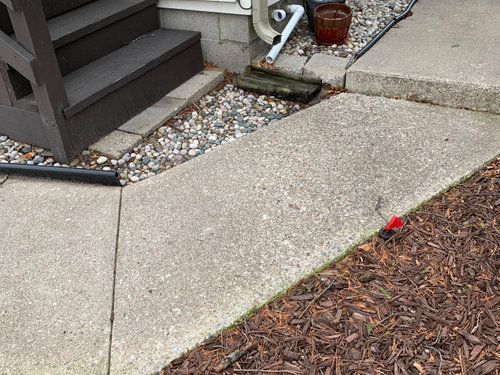
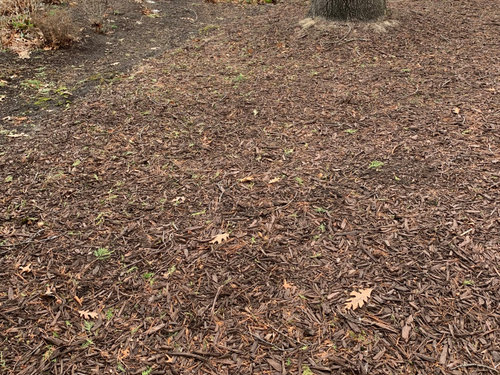
Rain Garden in side & backyard
5 years ago
Sort by:Oldest
Comment (1)
Related Stories
GARDENING GUIDESHouzz Call: Show Us Your Backyard Rain Barrel
As we head into the cooler months, our thoughts turn to rain — and rainwater collection
Full Story
LANDSCAPE DESIGNBackyard of the Week: Inviting Garden Retreat in the City
A San Francisco backyard and narrow side yard get a stylish, plant-filled makeover
Full Story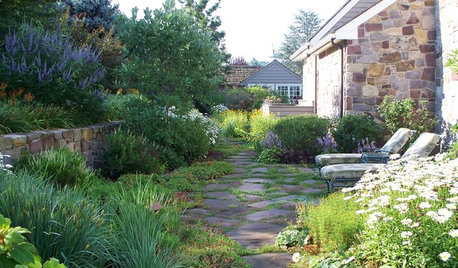
PATIO OF THE WEEKKeep a Secret Garden on the Side
Privacy and plantings are the focus of this Philadelphia side yard, offering a respite from a busy backyard
Full Story
PATIO OF THE WEEKA Cozy Backyard Escape Warms Seattle Gardeners
Bold hues, a green roof, a functional greenhouse, a fire pit, an arbor and raised beds create a harmonious modern garden
Full Story
BEFORE AND AFTERS6 Dramatic Garden Makeovers, From Backyard to Rooftop
It's almost hard to believe how far these landscapes have come. Have a look and get ideas for your own garden transformation
Full Story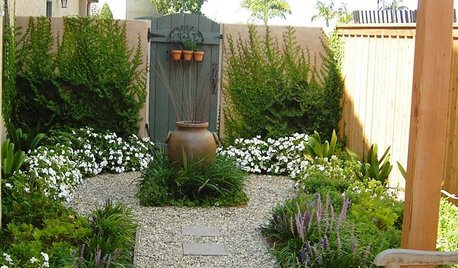
GARDENING GUIDESHow to Turn a Side Yard Into a Glorious Garden Room
With just 8 feet or so, you can turn a plain side yard into a garden that lets you get carried away
Full Story
GARDENING GUIDESBeautiful Flowers and Foliage From Dedicated Backyard Gardeners
From lawn daisies to topiaries, Houzz users share their backyard beauties
Full Story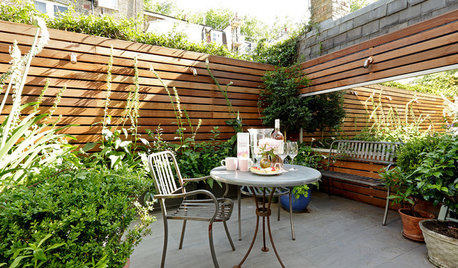
CONTAINER GARDENSPocket Gardens, Pint-Size Patios and Urban Backyards
A compact outdoor space can be a beautiful garden room with the right mix of plantings, furniture and creativity
Full Story
GARDENING GUIDESBackyard Birds: Invite Entertaining Hummingbirds Into Your Garden
Hummingbirds — unique to the Americas — zip through open landscapes seasonally or year-round. Here’s how to attract them
Full Story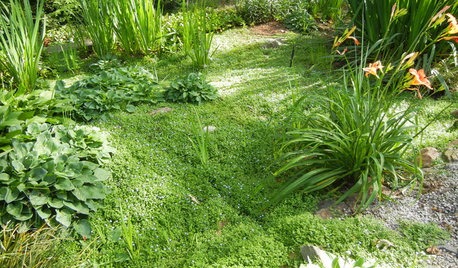
SAVING WATERHouzz Call: Have You Installed a Rain Garden?
Tell us if your landscape includes one of these beautiful and useful landscape features
Full Story
mindshift
Related Professionals
Gainesville Landscape Architects & Landscape Designers · Huntington Landscape Architects & Landscape Designers · Hackettstown Landscape Architects & Landscape Designers · Olympia Landscape Architects & Landscape Designers · Quincy Landscape Contractors · Great Bend Landscape Contractors · Frederick Landscape Contractors · Meridian Landscape Contractors · Kenosha Landscape Contractors · Napa Landscape Contractors · Tallahassee Decks, Patios & Outdoor Enclosures · Baltimore Decks, Patios & Outdoor Enclosures · Myrtle Beach Decks, Patios & Outdoor Enclosures · Harrisburg Decks, Patios & Outdoor Enclosures · Provo Decks, Patios & Outdoor Enclosures