

Make up air question??
5 years ago
Sort by:Oldest
Comments (7)
Related Stories
HEALTHY HOMEA Guide to Indoor Air Purifiers
Get the lowdown on air filtration systems for your house and the important ratings to look out for
Full Story
FEEL-GOOD HOMEThe Question That Can Make You Love Your Home More
Change your relationship with your house for the better by focusing on the answer to something designers often ask
Full Story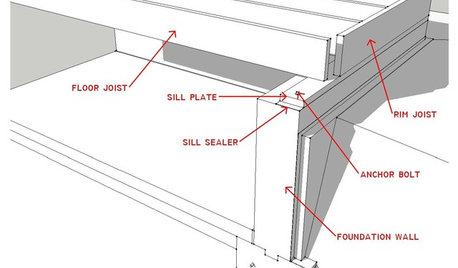
KNOW YOUR HOUSEKnow Your House: What Makes Up a Floor Structure
Avoid cracks, squeaks and defects in your home's flooring by understanding the components — diagrams included
Full Story
GREEN DECORATING8 Questions to Help You See Through Green Hype
With the ecofriendly bandwagon picking up some dubious passengers, here's how to tell truly green products and services from the imposters
Full Story
GREEN BUILDINGConsidering Concrete Floors? 3 Green-Minded Questions to Ask
Learn what’s in your concrete and about sustainability to make a healthy choice for your home and the earth
Full Story
SELLING YOUR HOUSE15 Questions to Ask When Interviewing a Real Estate Agent
Here’s what you should find out before selecting an agent to sell your home
Full Story
MODERN HOMESHouzz Tour: Warm Modernism Way Up in the Air
A Vancouver high-rise condo’s spectacular views are accentuated by organic and shimmering textures in the decor
Full Story
REMODELING GUIDESConsidering a Fixer-Upper? 15 Questions to Ask First
Learn about the hidden costs and treasures of older homes to avoid budget surprises and accidentally tossing valuable features
Full Story
REMODELING GUIDESWake Up Rooms With the Power of Fresh Air
Even the trendiest interior designs can feel stale when your home is in permanent lockdown. Look to windows and doors for the solution
Full Story
KITCHEN DESIGN9 Questions to Ask When Planning a Kitchen Pantry
Avoid blunders and get the storage space and layout you need by asking these questions before you begin
Full Story
kaseki
Amanda MOriginal Author
Related Professionals
Clarksdale Kitchen & Bathroom Designers · Saint Cloud Kitchen & Bathroom Designers · Bend Kitchen & Bathroom Designers · Riverton Kitchen & Bathroom Designers · Oxford Bathroom Remodelers · Poughkeepsie Bathroom Remodelers · Colorado Springs Bathroom Remodelers · Tampa Kitchen Remodelers · Anderson Kitchen Remodelers · Merced Kitchen Remodelers · Grand Junction Kitchen Remodelers · Twin Falls Kitchen Remodelers · Kennewick Kitchen Remodelers · Cornwall Kitchen Remodelers · Lagrange Kitchen Remodelerskaseki
Liz Court
Amanda MOriginal Author
Amanda MOriginal Author
kaseki