Software
Houzz Logo Print
catherine_higginson70

Avocado tree issues

5 years ago
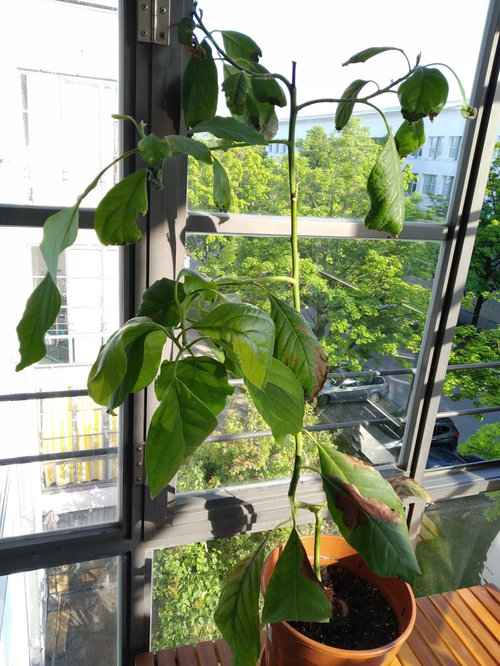
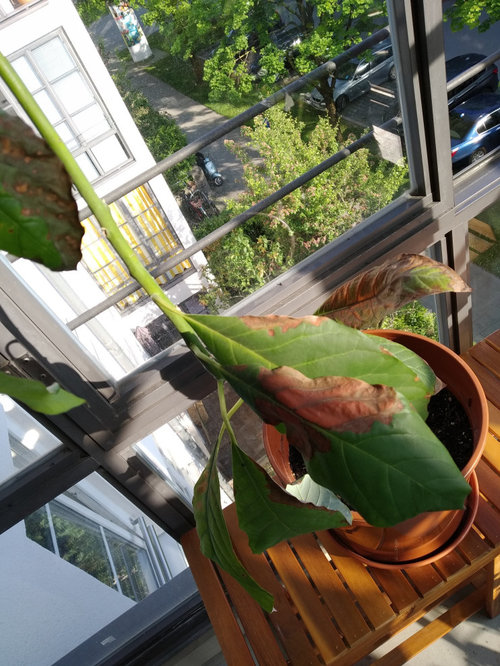
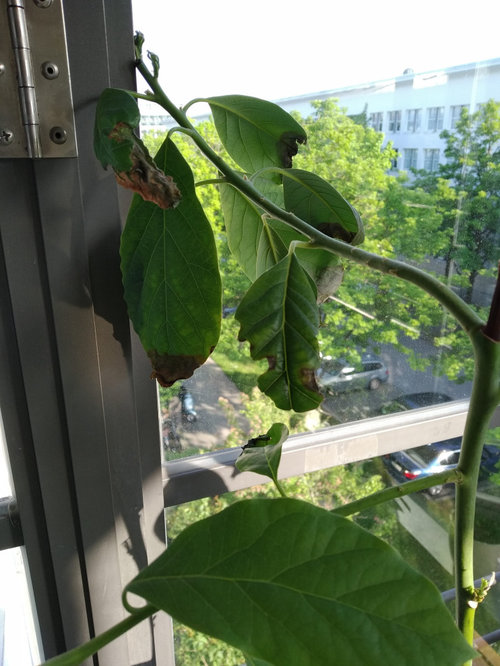
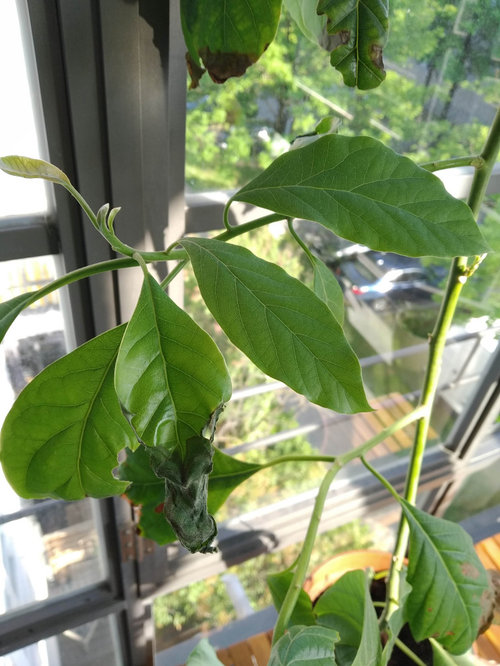
I've grown this avocado tree from a stone (one of many, none survived so far) and its leaves always start to shrivel and then drop off eventually. It seems to need a lot of water, I'm not sure about sunlight and I think the pot size is ok for now. I've had it in our new wintergarden for a few days which is how some of the leaves got burnt, so I'll be more careful with that. It gets plenty of new leaves which look fine in the beginning but then always dry u as well. Maybe avocados from the supermarket just aren't the right type that can reproduce or they tend to get more diseases. I live in Europe so don't think we have the right climate for it to ever grow fruit, it was just more of a fun project. Is it worth keeping it? Should it be trimmed regularly (already trimmed the top a while ago)?


Thanks!


Comments (4)

  • 5 years ago

    trees are very hard to grow indoors .... frankly.. you should be proud you got as far as you have .... and you learned the old fashioned way.. thru failure.. lol ...


    though you think the pot is the right size.. i note it seems to be about only half full of media ...


    trees like a sip of water.. and near drying ... your media looks peat heavy.. which could mean its holding a lot more water than trees might prefer ...


    it seems a bit spindly ... what is your fert protocol??? .. sure seems like it should be getting enough light with those windows .. do you turn it frequently???


    ken


  • 5 years ago

    The probability that your tree is suffering from chronic over-watering and/or a high level of salts in the soil is very high, more so the former than the later. How do you water (do you water to beyond soil saturation, so you're flushing salts from the soil when you water)? Do you allow the plant to sit in any water that exits the drain hole? What are you fertilizing with (NPK %s please), and is it a soluble synthetic fertilizer? What are you using as a growing medium? Was it commercially prepared specifically as a container medium?

    Avoid advice to water in sips. The practice ensures all salts from both tapwater and fertilizer solutions remain in the soil where they accumulate and make uptake of water/nutrients more difficult, or eventually, impossible. Water to beyond complete soil saturation so at least 20% of the total volume of water applied exits the drain hole. There should be no pathway by which water can make its way back into the pot once it's in the collection saucer, so the plant should A) be set above the bottom of the saucer

    or B) the plant should be watered over the sink and allowed to drain before returning it to the saucer.

    If you think your grow medium will remain wet/ soggy too long, thus affecting root function and root health, let me know and I'll help you with some simple tips re how to reduce your medium's ability to hold excess water.

    Water when the medium is almost dry near the pot's bottom, not when the top inch or two of the medium is dry. Fingers, moisture meters, and guesswork all work poorly. Instead, use a wooden tell to "tell" you when it's time to water. More about using a 'tell':"

    Using a 'tell'

    Over-watering saps vitality and is one of the most common plant assassins, so learning to avoid it is worth the small effort. Plants make and store their own energy source – photosynthate - (sugar/glucose). Functioning roots need energy to drive their metabolic processes, and in order to get it, they use oxygen to burn (oxidize) their food. From this, we can see that terrestrial plants need plenty of air (oxygen) in the soil to drive root function. Many off-the-shelf soils hold too much water and not enough air to support the kind of root health most growers would like to see; and, a healthy root system is a prerequisite to a healthy plant.

    Watering in small sips leads to avoid over-watering leads to a residual build-up of dissolved solids (salts) in the soil from tapwater and fertilizer solutions, which limits a plant's ability to absorb water – so watering in sips simply moves us to the other horn of a dilemma. It creates another problem that requires resolution. Better, would be to simply adopt a soil that drains well enough to allow watering to beyond the saturation point, so we're flushing the soil of accumulating dissolved solids whenever we water; this, w/o the plant being forced to pay a tax in the form of reduced vitality, due to prolong periods of soil saturation. Sometimes, though, that's not a course we can immediately steer, which makes controlling how often we water a very important factor.

    In many cases, we can judge whether or not a planting needs watering by hefting the pot. This is especially true if the pot is made from light material, like plastic, but doesn't work (as) well when the pot is made from heavier material, like clay, or when the size/weight of the pot precludes grabbing it with one hand to judge its weight and gauge the need for water.

    Fingers stuck an inch or two into the soil work ok for shallow pots, but not for deep pots. Deep pots might have 3 or more inches of soil that feels totally dry, while the lower several inches of the soil is 100% saturated. Obviously, the lack of oxygen in the root zone situation can wreak havoc with root health and cause the loss of a very notable measure of your plant's potential. Inexpensive watering meters don't even measure moisture levels, they measure electrical conductivity. Clean the tip and insert it into a cup of distilled water and witness the fact it reads 'DRY'.

    One of the most reliable methods of checking a planting's need for water is using a 'tell'. You can use a bamboo skewer in a pinch, but a wooden dowel rod of about 5/16” (75-85mm) would work better. They usually come 48” (120cm) long and can usually be cut in half and serve as a pair. Sharpen all 4 ends in a pencil sharpener and slightly blunt the tip so it's about the diameter of the head on a straight pin. Push the wooden tell deep into the soil. Don't worry, it won't harm the root system. If the plant is quite root-bound, you might need to try several places until you find one where you can push it all the way to the pot's bottom. Leave it a few seconds, then withdraw it and inspect the tip for moisture. For most plantings, withhold water until the tell comes out dry or nearly so. If you see signs of wilting, adjust the interval between waterings so drought stress isn't a recurring issue.

    Al

    Cat Bonaldo thanked tapla (mid-Michigan, USDA z5b-6a)
  • 5 years ago

    Hi @tapla (mid-Michigan, USDA z5b-6a) thanks so much for all your advice and sorry for my late reply, took me a while to digest all that! I have followed your advice and stopped the sips / chronic overwatering.


    I use an organic fertilizer, it says the NPK is 3%. I like the idea of setting it above the saucer and watering it once completely and then leaving it until it dries out.


    For a tell, I have long plastic sticks that work well, with a pointy end. So I'll use them before rewatering in future.


    Thank you again!!

  • 5 years ago

    Nutrients provided by way of organic sources are locked tightly in hydrocarbon chains that must first be cleaved by soil life in order that nutrients are in a form which makes them available for plant uptake. The problem is, container culture is generally on the inhospitable side when it comes to soil life, which means availability of nutrients often remains in a form unavailable to the plant for long periods. When using a soluble synthetic fertilizer, the nutrients are instantly available and the grower has as close to complete control as possible. There is much to be said for that arrangement.

    Plastic may not work well for a tell. Wood works because it turns darker when wet and often moist crumbles of the grow medium stick to the point of the tell.

    The image shows tools I commonly use during repotting sessions. The wooden tool, bottom row second from the right, is a piece of wood dowel I repurposed as a root pick - removes soil from and untangles roots. It's the same diameter as a tell would be (1/4 or 5/16") and was sharpened in a pencil sharpener. If it was purposed as a 'tell' it would be 24" long (1/2 of a 48" dowel rod) and sharpened on both ends.

    I hope you fare well in your growing pursuits.

    Al