

Ceiling fan extension issues
5 years ago
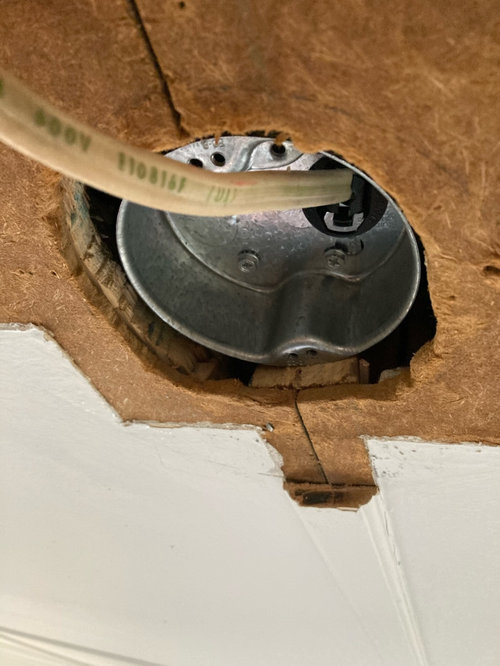
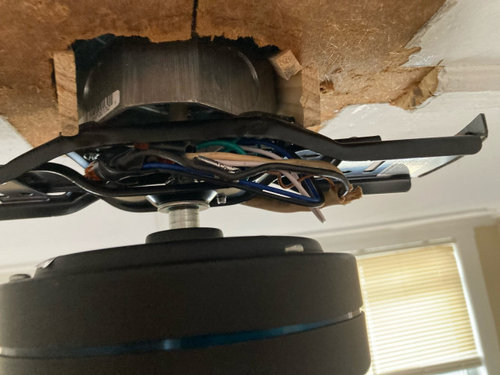
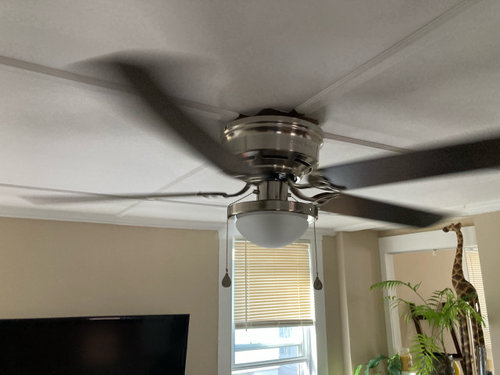
Featured Answer
Sort by:Oldest
Comments (12)
 5 years ago
- 5 years ago
Related Professionals
Poplar Bluff Kitchen & Bathroom Designers · Cincinnati Kitchen & Bathroom Designers · Enfield Kitchen & Bathroom Designers · Fort Dodge Kitchen & Bathroom Designers · Muncie Kitchen & Bathroom Designers · Lewiston Kitchen & Bathroom Designers · North Platte Kitchen & Bathroom Designers · Bronx Kitchen & Bathroom Designers · Mobile Bathroom Remodelers · Covington Bathroom Remodelers · Charlotte Bathroom Remodelers · Rome Kitchen Remodelers · Annapolis Kitchen Remodelers · Rochester Kitchen Remodelers · Hudson Kitchen Remodelers- 5 years ago
- 5 years ago
- 5 years ago
- 5 years ago
- 5 years ago
- 5 years ago
- 5 years ago
- 5 years ago
 5 years ago

Related Stories

DECORATING GUIDESThe Ceiling Fan That Blows Away Ceiling Fans' Bad Rap
Modern, simple and even usable in some outdoor spots, Ron Rezek's Cirrus ceiling fan will change your mind about this much-maligned fixture
Full Story
SHOP HOUZZPopular Indoor and Outdoor Ceiling Fans
Find a ceiling fan that fits seamlessly into your design
Full Story0

DECORATING GUIDESHow to Choose a Ceiling Fan for Comfort and Style
Pros share what fan size to buy, what blade angle to look for and which type works with your ceiling height
Full Story
DECORATING GUIDESAre Ceiling Fans the Kiss of Death for Design?
Ceiling fans get a bad rap for being clunky and outdated, but these streamlined styles and a bevy of pros beg to differ
Full Story
OUTDOOR ACCESSORIESCool Down With These Stylish Ideas for Outdoor Ceiling Fans
See how this outdoor accessory can work with a variety of porch and patio styles
Full StoryCEILINGSCeiling Fans: Some Spinning Sensations
How to Match Your Fan With Your Space and Keep Cool in Style
Full Story


KITCHEN OF THE WEEKKitchen of the Week: Fans of Traditional Style Go For a ‘Mad Men’ Look
The TV show inspires a couple to turn their back on the style they knew and embrace a more fun and funkier vibe in their kitchen
Full Story
KITCHEN DESIGNHow to Choose the Right Hood Fan for Your Kitchen
Keep your kitchen clean and your home's air fresh by understanding all the options for ventilating via a hood fan
Full Story

wdccruise