

Vent Hood selection
5 years ago
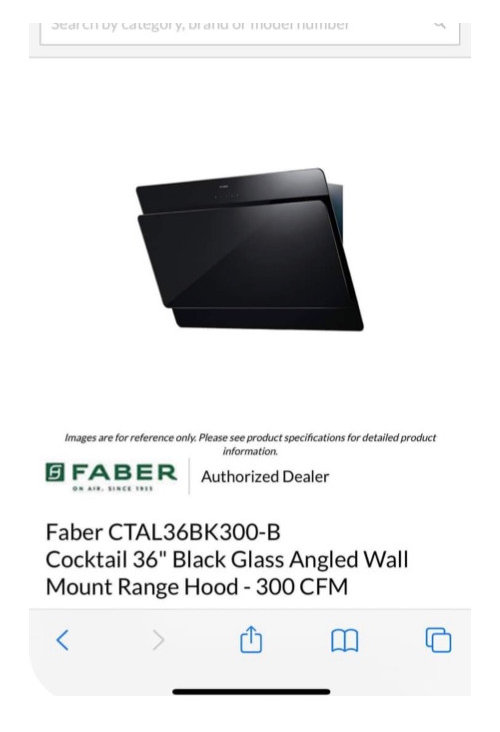
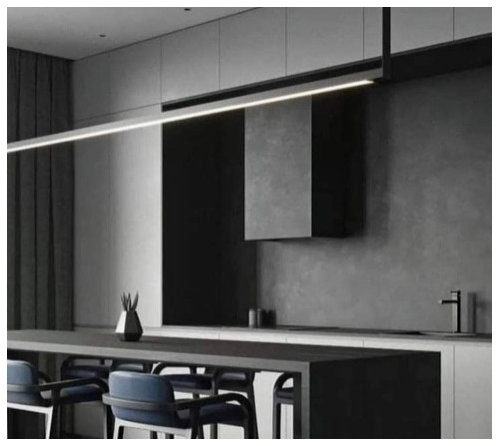
Sort by:Oldest
Comments (5)
Related Stories

SHOP HOUZZHighest-Rated Range Hoods and Appliances
Take your kitchen design up a notch with these highly sought-after appliances
Full Story0
5 Stunning Modern Range Hoods
Today's kitchen range hoods can look like sleek sculptures. Here's what to look for when you go shopping for one
Full Story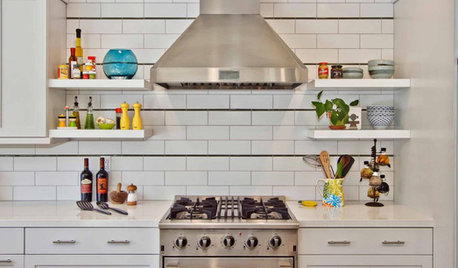
SHOP HOUZZHighest-Rated Range Hoods and Appliances
Helpful kitchen updates both large and small
Full Story
KITCHEN DESIGNHow to Choose the Right Hood Fan for Your Kitchen
Keep your kitchen clean and your home's air fresh by understanding all the options for ventilating via a hood fan
Full Story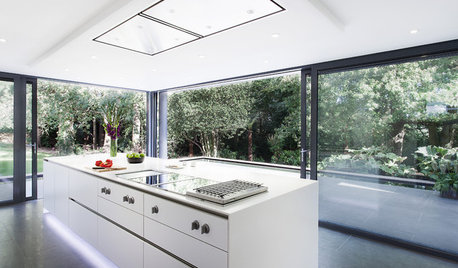
KITCHEN APPLIANCESDisappearing Range Hoods: A New Trend?
Concealed exhaust fans cut visual clutter in the kitchen
Full Story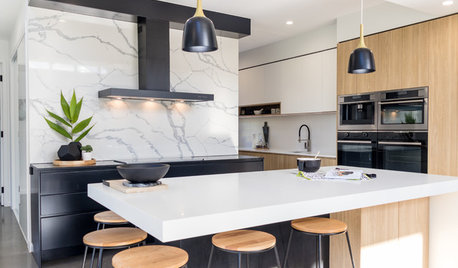
KITCHEN DESIGNHow to Get Your Range Hood Right
Get a handle on the technical specs, and then learn about fun design options for creating a beautiful kitchen feature
Full Story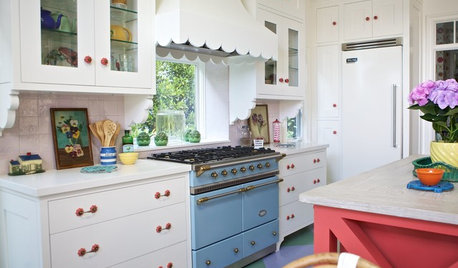
KITCHEN APPLIANCESThe Many Ways to Get Creative With Kitchen Hoods
Distinctive hood designs — in reclaimed barn wood, zinc, copper and more — are transforming the look of kitchens
Full Story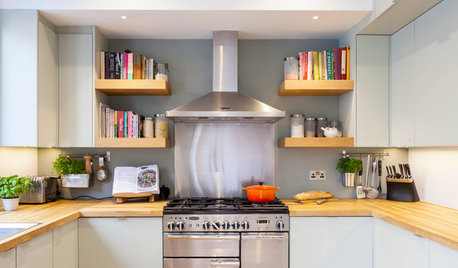
KITCHEN APPLIANCESWhat to Consider When Adding a Range Hood
Get to know the types, styles and why you may want to skip a hood altogether
Full Story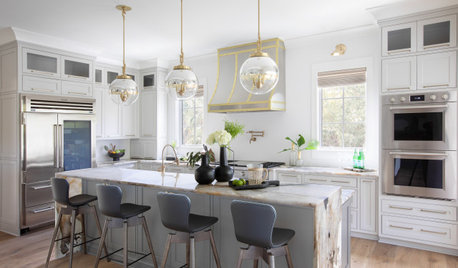
KITCHEN DESIGNDesigner Tips for Range Hoods, Appliances and Lighting
Learn how to get your microwave height just right, what kind of bar stool will be most comfortable and more
Full Story
Lana ShulmanOriginal Author
Lana ShulmanOriginal Author
Related Professionals
Kennewick Kitchen & Bathroom Designers · San Antonio Kitchen Remodelers · Evansville Kitchen & Bathroom Designers · Torrington Kitchen & Bathroom Designers · Amherst Kitchen & Bathroom Designers · Calgary Kitchen & Bathroom Designers · Sugar Land Custom Countertops · Cedar Rapids Custom Countertops · South Bend Custom Countertops · Denver Custom Countertops · Newport Interior Designers & Decorators · San Marcos Architects & Building Designers · San Bernardino Architects & Building Designers · Chillicothe Kitchen & Bathroom Designers · Gloucester Kitchen & Bathroom Designersopaone
acm
kaseki