Software
Houzz Logo Print
boxlizzie

Nothing seems to do well in this particular bed

5 years ago
When I first moved here 11 years ago, there was a wood pile here. We moved it. I added lots of compost and planted various common plants. Some did okay. Several years later, I added too much compost, I believe. Didn't think that was possible, until the results the following growing season.

Then; my worst mistake last year was ordering a soil mix thinking I would refresh the bed. It was nastiest concoction of all. It was seemed to be ground clay (think baby powder consistency mixed with sand). I was in hurry to take advantage of the help I had in getting it moved to the back. We spread about 4 inches on top of existing soil. BIG mistake!


This year I added about 2" of compost and it seemed a little better. But most plants do NOT thrive in this bed. I know---I need a soil test. And I am going to do this next week after all the rain. This bed is about 30 ft long by 8-10 ft wide. Full sun.


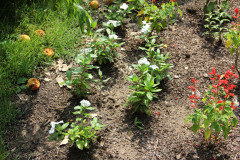
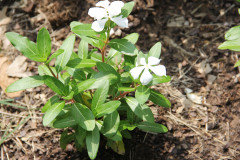
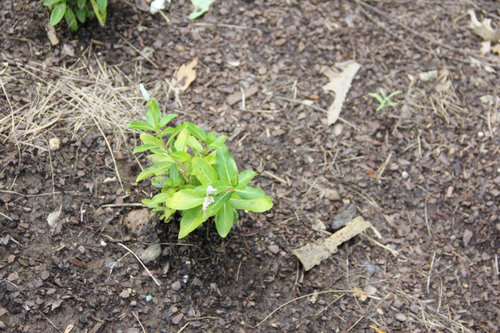
Here are some comparison photos:

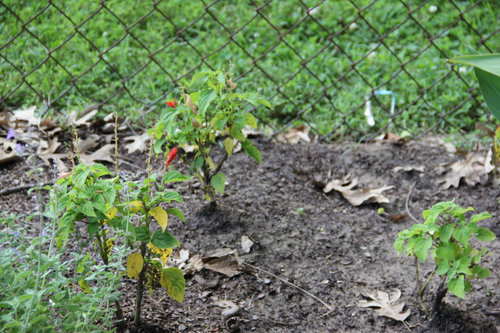
Yucky bed Vinca plant


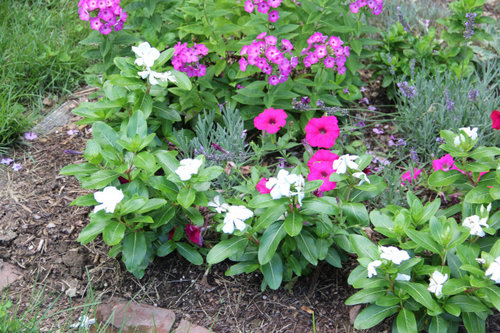
Vinca in another bed:


Salvia in yucky bed:


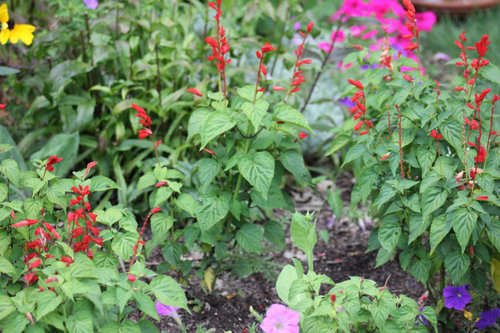
Salvias in another bed:


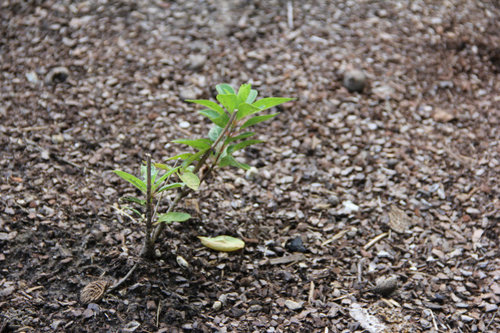
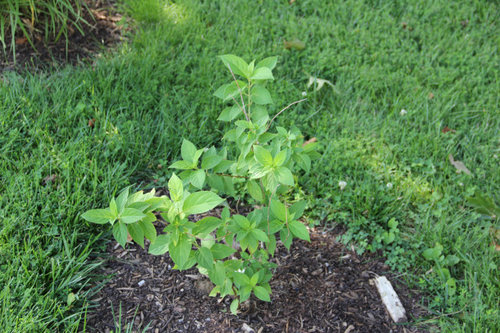
Hydrangea Pinky Winky in yucky bed:


Hydrangea bought at same time (was same size when received) in another area:


Comments (16)

  • 5 years ago
    last modified: 5 years ago

    How rootfilled is the soil here from nearby trees?

    Do you water here or elsewhere and how wet or dry does the soil feel a few inches down?

    Get your planned soil test done, and since it seems like you now have soil layers from the original to however it was effected by the woodpile to the sand-clay mix to the compost, be sure to get the mix of soil layers.

    if it were mine, I would be tempted to turn the soil with some added compost to both loosen up what might have been compacted by the woodpile and accompanying foot traffic and vehicular traffic, and to get fewer clear layers of differing textures. Either of those could interfere with movement of water in the soil.

  • 5 years ago

    I have an impossible area that was once a pile of woodchips. There are no chips left and I added hollytone but i am strugglng to get vinca to take.

  • 5 years ago

    From your description of the "soil mix" and being in Z6 I would guess you're in the Pittsburgh Pa area. Top soil is actually a shredded clay/sand mix. Shredding is done to grind up any roots or stone in the original ingredients.

    I agree with previous suggestions to turn it over to mix up the layers. You never discussed the soil PH. If you're truly in this area then I would suggest some lime.

  • 5 years ago
    last modified: 5 years ago

    I agree with others that you should turn it over. If you have any plants growing there, move them to containers, temporarily. My cure-all trick used to be digging in lots of shredded leaves and letting the soil rest until the following spring. Letting the organics, bacteria and earthworms do the work. That, and getting a soil test done! It's worth every penny. Sadly, I don't get any shredded leaves at my current location....

  • 5 years ago

    I'm in the St. Louis area, John. I agree with turning and mixing.

    JoJo: I've done the leaves in bed thing and it works! Soil test first, move the plants (well most of them). Then I'm going to start working on the beds after the rains this weekend. I figure I have nothing to lose. Also; it'll give me an excuse (as if I needed one) to create another bed somewhere to temporarily hold those plants. I don't do well with containers with the exception of a few roses and a maple.


    Do you think I should add some composted manure with the leaves, since there was so much wood in the bed before? I'll leave the bed sit until Spring next year.

  • 5 years ago

    Do you think I should add some composted manure with the leaves,


    ==>> i think you should stop adding variables.. until you figure out whats going on ... and fix that first ... i dont mind the leaves ... what else you going to do with them.. besides send them to the dump ... and they are pretty inert all and all ...


    but manure... can be a problem ... or.. another unknown variable ....


    can we have a long view of the whole bed... i dont know why.. but maybe we will spot something ...


    farmers let fields lie fallow certain years .. just to let the soil naturally stabilize [yes i know its much more than that.. but work with me here] ... ... so on some level... that is what im thinking.. not that you cant plant annuals ... but that you stop adding stuff for a while ...


    i like the tilling idea ... lets mix it all up ... maybe you have a layer in there that is interfering with proper watering .... on top of your other issues ...


    ken

  • 5 years ago

    lol You are right, Ken. (Stop adding stuff...)

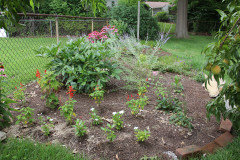
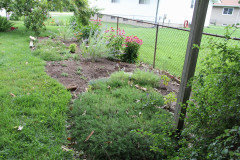
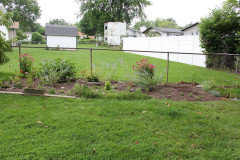
    I took some pics at your suggestion. Peach tree at one end and Oak Tree at the other end.

    Like I mentioned before, I've never run in to any Oak roots, but I'm sure they are there.

    I'm wondering if I didn't mess up the water table, amongst other things.


  • 5 years ago

    Notice how small the majority of the plants are. They should be much bigger by now, considering they were planted in May!

  • 5 years ago

    Only some thoughts as I'd have thought that after so long and with amendments this patch would've improved. Can't imagine how whatever you've done would have had any impact on 'the water table' - if there are water issues more likely (I'd guess) because of the nearby trees.

    -You say some things grow well here and others don't, and you seem to have some perennials there. Maybe plant what grows better there?

    -You say it was a wood pile that was there - presumably not wood chips but firewood? Do you see mushrooms pop up at all (eg wood decomposers?) Overall I'd tend to think it's more soil compaction and the soil below just tight and not much life because of having been covered up for so long. What is the soil like generally (i.e. more clay-ish or ...?).

    -Apart from the suggestions above (turn some and mix, add some compost, shredded leaves, etc), and since this season mostly a wash - after you do all that some more mulch on top and consider some cover crops, those that tend to root well; let them do the work. Tillage radish and buckwheat are the ones that come to my mind, but there are plenty of choices.

    -A pretty big bed but you could also do some trench composting - dig a trench, fill with un- or semi-composted scraps, spoiled fruit, green garden waste, etc - and cover. Loosen things up and attract the soil life esp worms and everything else they bring with them.

    -You mention compost you've added - presumably if this was bought compost, I'm guessing a lot of it was composted/shredded wood waste (often is). You may want a 'richer' compost if you're mixing in; perhaps slightly different take than other comments above but I'd consider some manure (horse or aged cow manure) as part of your mix. (Usual warning about not for beds you'll be growing veggies in immediately).

  • 5 years ago

    ^^ What GG said. I immediately thought 'nitrogen' because of the stunted plants and compost that may have wood products in it that are not completely decomposed.


    Best gardens I've had (after adding soil) was when I added some high N stuff like alfalfa pellets or horse/cattle pelletized feed. The nitrogen really gave things a boost the following season.

  • 5 years ago

    I applied blood meal like you suggested. We'll see how this works.

  • 5 years ago

    Looking at all of the "nice" grass surrounding the planting area, I wonder if weed'n'feed products have been applied to the lawn area?

  • 5 years ago

    No. I am very careful about getting anything like that in my beds.

    I took some pics today. Seems like they have greened up some. It's only been 4 days, so we'll see. I do think gardengal and tox are correct though!


  • 5 years ago

    If weed'n'feed products are being applied to the lawn around this flower bed area, rain could wash those substances into the bed.

  • 5 years ago
    last modified: 5 years ago

    Columbia MO here, been there done that with the Missouri clay!

    Re runoff from the lawn: Honestly from the pics it looks raised, which is consistent with the addition of several inches of the soil mix. I'm inclined to think it's N depletion from undecomposed wood fiber in the compost.

    A high N fertilizer like lawn fertilizer might salvage the rest of the season for your existing plants. I prefer not to use that stuff if I can avoid it, but you're in a situation, so it's like using medications when you're sick.

    In fall, I'd move any perennials out, till it thoroughly and then till in some good compost and/or compostables like alfalfa pellets. Even half finished home made compost is fine since it will cook over the winter. Cover it with a thick layer of fall leaves blended with grass clippings to moderate the temperatures, keep the pounding rain off, etc. Remove as much of that as you want in spring for planting. Of course avoid digging or tilling when wet due to the clay. I predict that in spring it will be great soil and you'll have a wonderful garden next summer.

    PS your soil test may show low P especially if clay content is high. If so you can add bone meal when tilling or use balanced fertilizer like 12-12-12 instead of just the high N stuff. Over time with compost additions, everything will come up and the P and K can even get excessively high but that's probably years down the road for you.