Software
Houzz Logo Print
heruga

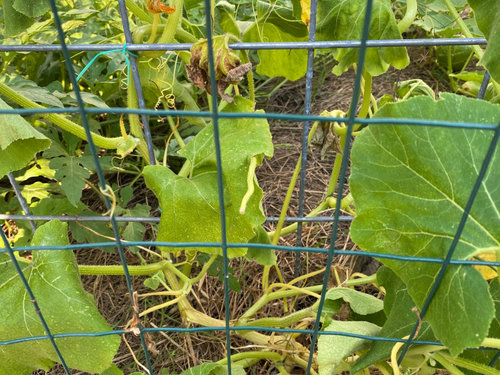
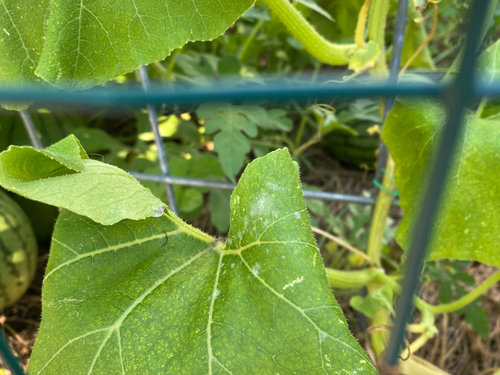
What is causing such wilt on my kabocha squash?

5 years ago
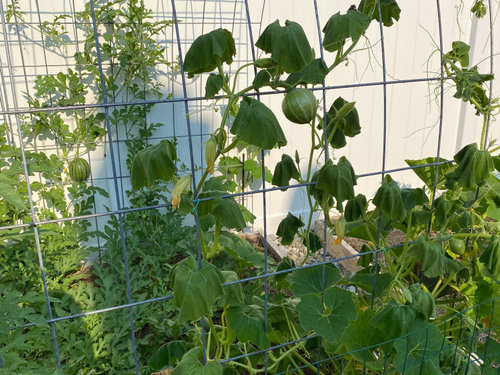
This started happening all of a sudden. It only happens on sunny days, perking back up at night. This is only happening on one of my vines and my other doesn’t wilt like that. The fruit on the wilting one still seems to be increasing in size so it’s definitely not dead. Anyone have a clue?


Comments (12)

  • 5 years ago

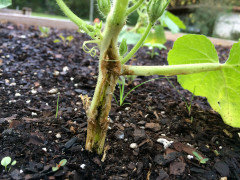
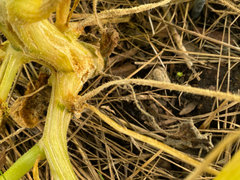
    I'm not a squash expert, but was wondering if you followed that particular stem back to the ground, can you see where a squash vine borer may have laid its eggs in there? Are you seeing any squash bugs on the plant? Do you check underneath the leaves for Squash bug eggs? I found an image online that shows what it looks like. It could be much smaller than this though. Do you have moles in your garden that might be pushing the roots up? It's interesting that it un-wilts at night. My Joe Pye weed does that, but all of them do that. It's just what they do during hot days to conserve moisture. But since only one of your plants is doing that, I'm not sure what to think. Let's see what others have to say.

  • 5 years ago

    I looked at the trunk of the vine and it is badly fissuring. Then I saw 2 cucumber beetles(reddish spotted ones) on the leaves so I killed them as they were mating. Could they be the culprits?


  • 5 years ago

    Thanks for sharing that good advice Zeedman.

  • 5 years ago

    Thanks. Now when they go dormant and overwinter eggs in the soil, is there anyway to eliminate them other than scooping out the top layer of soil?

  • 5 years ago
    last modified: 5 years ago

    The full-grown larvae emerge and dig underground, where they over-winter as pupae. Unfortunately they are very hard to eliminate at that point. I deeply tilled the area several times where I had grown infected squash... and the next year, dozens of moths emerged in that area (I found their shed chrysalises on the soil surface). So squashes should never be planted in the same area where infected plants were the year before.


    Not much help this year, but next year you might be able to prevent SVB by covering the young squash plants with floating row cover during the SVB egg laying period. It is a question of timing; cover the plants too late, or remove the cover too quickly, and the plants could still get infected. Leave the cover on too long, and the squash blossoms will not get pollinated early enough for long-season winter squash to mature. Your local Ag Extension could probably give you advice on the best dates for your area.

  • 5 years ago
    last modified: 5 years ago

    Yep, my money is on the dreaded squash vine borer.

    I read somewhere last year that in the cold zones, till the area in the late fall before the ground freezes -- turning the soil and exposing the eggs to freezing temps at the soil surface will kill them off over the winter. I did this last fall, and I do think it made a difference. Last year my kabocha crop got completely wiped out, but this year I saw only a few SVBs and only two or three wilted vines. I think I caught the little damage there was early enough to salvage the majority of plants.


    I also sprayed the stems of the vines near soil level with spinosad, the logic being if the larvae ingest it as they're boring through the stem it should do them in, but once they're inside the stem forget it. I was very careful to avoid spraying any blossoms. I also got a lot of satisfaction from smashing one of the little beasts with a rock.


    ETA: I think I'm past prime egg-laying season up here, but I'm not 100% certain, and I haven't checked on things out there in a couple days. Hopefully I won't be back on the board this weekend crying over another lost kabocha crop...

  • 5 years ago

    "I read somewhere last year that in the cold zones, till the area in the late fall before the ground freezes -- turning the soil and exposing the eggs to freezing temps at the soil surface will kill them off over the winter."


    I've seen this posted elsewhere too. But SVB over-winter as pupae, not eggs; the eggs are laid & hatch in early Summer. As mentioned in my previous post, tilling the ground where the chrysalises were buried did not appear to be effective, since many survived. I'm glad to hear it appeared to worked for you though.


    When my Buttercup squash were infected, I tried using a water pick to flush the larvae out of their holes. It only worked to a point, since I couldn't locate all the larvae... but it killed enough to keep the plants alive, until the squash ripened. It might work even better if a BT solution was used in the water pick. I may have a chance to test that theory, since I didn't cover my squash in time this year, and I could see adult SVB moths near the plants.

  • 5 years ago

    "But SVB over-winter as pupae, not eggs; the eggs are laid & hatch in early Summer."


    Ok, my mistake -- but as long as any stage of any of those beasts are killed, I'm happy. And I have noticed fewer this year. Oh, they're still some around, but fewer. I'll take it any win I can get.


    Oooh, it felt good to smash another one today! She thought she found the perfect spot, didn't see that rock coming...hehe...


    But obviously they're still around, so not out of the woods yet.

  • 5 years ago
    last modified: 5 years ago

    I’m almost wondering if it’s a good idea to flamethrower the surface of the soil to burn any pupae dwelling in there with my propane tank based blow torch. Of course in early spring when there are no plants in the bed yet. Think that’ll work?

  • 5 years ago

    Totally aside from the impracticality & the amount of fuel, I'm not sure you could heat the soil deep enough to kill the pupae. You might be able to solarize the area though, by covering it with black plastic & leaving it on until planting time next season. All this is just speculation; they might even move deeper once they feel the heat.

  • 5 years ago

    Why is it impractical? It’s an annual bed with no existing vegetation during the dormant season so firing though shouldn’t be an issue. Unless you’re talking about safety concerns, I don’t think it would start a spreading fire