Software
Houzz Logo Print
strawchicago

Questions and possible solutions for plants & roses

4 years ago
last modified: 4 years ago
I move questions & answers from the other thread to here. Would love any questions and possible solutions for plants & roses. Growing 18 tiny own-roots in pots this year during heavy rain July was a good lesson. Also learned some during last year's fall drought & trying new fertilizers for the past years.

Please feel free to share your experience & what you learned and the solutions you found in gardening (roses & other plants). Thank you.

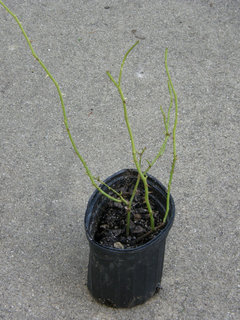
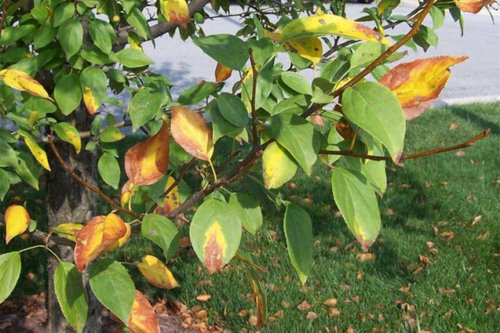
From the web, here's how drought on leaves look like:


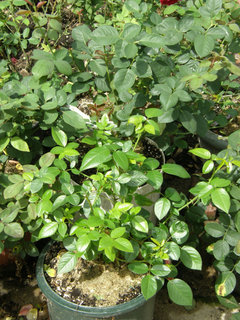
Below is how overwatering in tomato look like, note lower leaves turn pale yellow:


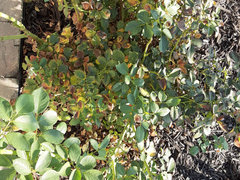
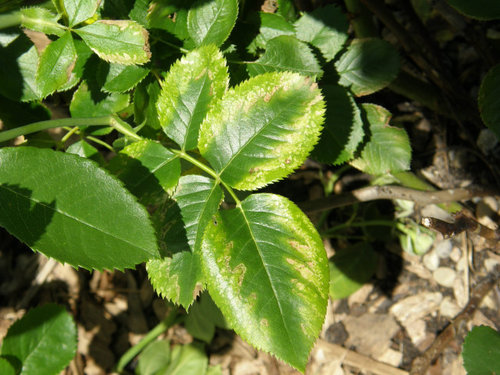
Here's how nitrogen deficiency look like on my roses, after week-long rain in July (3 to 6" per day). It's yellowing of lower leaves, starting at the margins. Nitrogen mobility is a 10, it moves with water and leaches out first during heavy rain:


Comments (19)

  • 4 years ago
    last modified: 4 years ago

    Re-post a summary of questions & answers from the other thread:

    Severe_Novice Zone 7B GA
    This summer, my potted roses on the deck had gotten lanky so I ended up doing some pruning in the summer. I suspect the fall bloom would have been better had I not done that, but right now, I am getting the "1 bloom at a time" option from Easy Does It. All others have none. Belinda's Dream is coming up with three buds and I did not prune her.

    strawchicago z5 Since my roses are in partial shade, it's 4 to 5 blooms max at the same time. Roses can bloom continuously IN FULL SUN if it's moist soil 24/7 plus well fertilized & watered like nearby rose parks. For my pots to have more than 4 blooms I have to top them WEEKLY with rich potting soil (Beyond Peat has chicken manure & horse manure). This got mixed with lime (for calcium) plus alfalfa (for nitrogen), plus SOLUBLE fertilizer high in nitrogen and potassium. I also watered my pots twice a day in hot weather above 90 F

    Frank Gatto, owner of rose nursery (grafted-on-Dr.Huey) in high rain PNW advised AT LEAST 5 GALLONS of water per week per rose, plus 1/2 cup granular organic (Espoma tone or Mill's magic mix), plus 1/2 cup of granular chemical fertilizer NPK 10-10-10, that's done every 3 weeks per rose. For hot & dry climate plus clay, I would skip the chemical fertilizer due to salt-accumulation, but the organics are still needed at 1/2 cup per 3 weeks.

    "Five gallons per week per rose" is Gatto's advice. "Water deeply," he stresses. "When you pour on five gallons and it soaks down deep, your roses grow roots to reach that water.

    For planting, Gatto mixes 50 percent native soil and 50 percent organic compost or good potting soil and adds a cup each of bone meal and soil sweetener per bush. He also gives established plants a cup of lime in March, for optimal soil pH, which allows plants to make better use of food.

    Gatto advises giving roses small but frequent meals, as opposed to large amounts of fertilizer less often. He uses a balanced granular fertilizer with an N-P-K number no higher than 20 (such as 15-15-15), along with a blend of organic meals including alfalfa, cotton seed, fish, blood and kelp."I give each one a handful (about a half a cup) every three weeks."

    https://goodlifenw.blogspot.com/2012/07/seven-essentials-to-growing-healthy.html

    Severe_Novice Zone 7B GA
    I did not know about topping weakly with fresh rich soil .... it's just fertilizers - dry (like Magic Mills) once a month, and soluble weakly. That's quite a lot of fertilization for 4-5 blooms at a time. Mine too are in partial shade. Is it correct to say that any extra fertilization might compensate for the lower sun exposure? Would you fertilize less if they were NOT in partial shade? They say stop fertilizing in Sept/Oct for my area, so I will stop.

    strawchicago z5
    Topping pots with rich soil (horse manure & chicken manure & lime & alfalfa) is to offset acidic rain that leach out nutrients. This is NOT necessary in hot & dry climate like CA, but helps in weekly rain climate. Rain leaches out nitrogen & calcium first, then potassium & magnesium and trace elements.

    That's why Frank Gatto in high rain PNW recommends 1/2 cup chemical fertilizer NPK 10-10-10, plus 1/2 cup organic-fertilizer every 3 weeks. After week-long rain, I found 2 TBS of whitish calcium oozing out from the bottom of each pot. Daily watering also leaches out nitrogen & calcium, then potassium. That's the logic for granular chemical fertilizer with at least 10 for nitrogen.

    The reason why roses blackspot in fall is due to depletion of nitrogen to form leaves, plus potassium for disease-prevention. Nitrogen mobility is a 10, potassium mobility is 3, and phosphorus mobility is a 1. Calcium mobility is a 5 (data from NOBLE Plant foundation).Also roses consume lots of nitrogen & potassium.

    Rose tissue analysis by U of CA at Davis showed 3 part nitrogen, 2 part potassium, 1 part calcium, and only 1/10 phosphorus and 1/10 magnesium. The trace elements most consumed are in this order: iron, manganese, copper, zinc, and boron. Chicken manure is rich in copper & zinc, and boron, besides high in phosphorus. Blood meal NPK 12-0-0 is high in iron and is ideal for pots, but that gets expensive.

    Severe_Novice Zone 7B GA
    19 hours agoSo does watering less often than necessary makes roses more prone to BS than they would be if they'd been watered consistently?

    strawchicago z5
    To "ration" roses in pots with water, that is, to water just enough to moist the soil, rather than let it leach out helps to conserve nutrients. For a 2.5 gallons pot, I give each rose about 2 cups of water in hot days.

    Some roses like Sonia Rykiel did nothing (despite how much fertilizer I gave), until I gave it lime and it grew canes & buds. Calcium is the building block for all rose tissue, and potassium regulates water osmosis. Roses consume lots of nitrogen for leaves and potassium & calcium for blooms. Phosphorus is needed in less amount since it's used for branching of stems (for more blooms) plus branching of roots (more water-absorption).

    Osmocote PLUS (with all trace elements) NPK 15-7-12 is NOT enough, one big bloom alone weighs just as much as 1/4 cup of Osmocote !! I have 5 roses in pots that won't bloom with 1/4 cup of Osmocote (too slow of a release). But they bloom with fast release & HIGH chemical granular fertilizer NPK 10-8-6 or rich topping of soil high in nutrients, esp. trace elements for blooming.

    Severe_Novice Zone 7B GA

    I was thinking about those in the ground where nutrients don't leak.

    If roses in the ground are left with less water than they need, will they be more prone to Black Spot?

  • 4 years ago

    Some Novice lessons:


    1. Don't put petunias, least of all Supertunias, in the same container with a rose, no matter how large the container. The rose will be engulfed. I did not even see my Belinda's Dream this summer. I finally freed her from the crazy Supertunia and I can see three buds coming up. It will be nice to see her after so many months.


    2. A little cow manure around the roots in Spring and some Mills' Magic Mix here and there for roses in the ground is far from enough fertilizer. Must fertilize not necessarily more often but thicker layer, especially of compost early in Spring.


    3. Whatever looks like plenty of sun in the Spring will become barely enough during summer when leaves from tall canopies in surrounding areas are fully grown.

    Solutions: lower expectations when no other spots available. Or maybe fertilize more? I am not sure.


    4. Without consistent spraying, roses in my yard will never do even 30% of what I had hoped to see them do. That includes the 'super disease-resistant' varieties for my zone. That's the biggest bummer.

    Solution? None, because I am not at all sure I can commit to spraying regularly.

    I'd be OK with seeing them almost naked by the end of the season if I wasn't afraid they will be regularly stressed every year and eventually die.

    5. Lime. Who would have thunk?

    Maybe this is why some of my roses have stems that can barely support the bloom. Will make sure to add next year.

    6. Telling myself I will water roses early enough (and often enough) in the morning when there are fewer mosquitos and less heat, and leaves have time to dry up...is a lie.

    I can't do mornings. Still can't find an adequate watering solution.


    strawchicago z5 thanked Artist-FKA-Novice Zone 7B GA
  • 4 years ago
    last modified: 4 years ago
    Severe_Novice: thank you for your honesty and sharing what you learned in your garden. Much appreciated.

    About your question if roses in the ground blackspot with less water? Yes. Potassium is most available when the soil is damp, rather than bone-dry or soaking wet. I once had a very disease resistant & glossy foliage Arthur Bell (was 100% healthy for 2 years), but I don't like its gaudy color & single-petal in high heat so I PURPOSELY did not water it. Leaves got yellow/brown (drought), plus blackspots.

    In contrast, when the soil is soaking wet, roses will blackspots PLUS DROPPING ALL the leaves, that's the 1st sign of poor drainage. Also high-phosphorus such as chicken manure, Mills Magic Rose Mix, cow manure WILL CAUSE BLACKSPOT since too much phosphorus suppress potassium.

    Take Evelyn, a 10th-year own root, it's ALWAYS HEALTHY, except the 2nd flush was less than I expect. So I gave it chicken manure mid-August. Big mistakes, the 3rd flush has more branching (more blooms), but the bush blackspot FOR THE FIRST TIME IN 10 YEARS. I don't grow roses for tons of blooms to impress people, I grow roses for QUALITY: a few blooms to sniff, and healthy plants. If I have to do it all over again, I WOULD NOT GIVE it chicken manure mid-August.

    Phosphorus mobility is a 1, it doesn't leach out. So whatever phosphorus given in spring IS ENOUGH. No need to add more. The only thing that's needed is blood meal for nitrogen, and sulfate of potash for potassium. If you need fast nitrogen in the fall, then MG SOLUBLE for plants NPK 24-8-16 is perfect. That's what LongAgoRoses uses to grow her bands, and all 8 bands from that nursery have very healthy leaves.

    Blooming depletes calcium and potassium. That's why roses break out in blackspots right after blooming. Calcium toughens plant tissue (thicker leaves), and potassium regulates water osmosis to keep leaves healthy. The problem with Mills Magic Rose mix: phosphorus is too high, that suppress potassium (necessary for disease prevention).

    Mills Magic Rose Mix has alfalfa meal, fish meal, steamed bone meal, cottonseed meal, blood meal, activated sludge, and an organic compost activator. NPK analysis is 6-5-1.

  • 4 years ago

    I'm following this now. Nothing to share, but I'm writing so I can see new gleanings. :) :)


    strawchicago z5 thanked rosecanadian
  • 4 years ago

    @strawchicago z5 When is the best time to apply Langbeinite? I forget in which post you seemed to mention it's best with rain, right? We're going to begin rainy season. If I apply it now, will it do anything harmful to roses? I have sandy soil.

    strawchicago z5 thanked Feiy (PNWZ8b/9a)
  • 4 years ago

    Langbenite has 22% potassium, 10% magnesium, 22% sulfur, and only 3% chloride. The 10% magnesium helps to retain potassium in the soil, rather than being flushed out. Magnesium is alkaline & hard to dissolve in tap water, thus best with acidic rain.

    Since Langenite has 1/2 amount of potassium compared to sulfate of potash (NPK 0-0-50), 1 tablespoon might not be enough to induce blooming for a large bush.

    If you apply Langbeinite now in Oct, the 10% magnesium will "thicken" your sand to helps retain potassium & moisture. The 22% potassium will induce blooming, plus helps to harden tissue for winter-survival. The 22% sulfur is acidic and will help with growth, but the acidity is neutralized by the alkalinity of magnesium, so the end pH if neutral.

    Langbenite IS VERY GOOD for sandy soil since sandy soil is often deficient in: 1) magnesium (this makes clay out of soil plus UP moisture) 2) sulfur (leaches out) 3) potassium.

  • 4 years ago
    last modified: 4 years ago

    Severe_Novice: Roses which are good in picking up phosphorus like Pretty Lady Rose is very good in losing its leaves while having tons of blooms in a dinky pot. Below was Pretty lady rose first bought as own-root end of June, I was shocked when I opened the box and saw zero leaves (first time in 11 years of buying lush & healthy leaves with blooms from RU):


    It took SOLUBLE fertilizer, plus GRANULAR chemical fertilizer NPK 10-5-4, plus blood meal NPK 10-0-0 (has iron), and 2 weeks later, Pretty Lady Rose looked like this on July 14:


    Now it has 10 blooms as of Oct. 1, except it got blackspots and LOST ALL ITS LEAVES after blooming. This rose is good in picking up phosphorus for blooming, BUT NOT nitrogen for growth & leaves, it remains a tiny own-root in a dinky pot.

  • 4 years ago

    You got all of those leaves in just 2 weeks? WOWZA!!!

    Straw - I'm really confused about potassium for my roses for next year. I thought I was to use Langenibte (sp)...but didn't you say I shouldn't? And my new container of it has granules instead of powder. Thanks!

    strawchicago z5 thanked rosecanadian
  • 4 years ago
    last modified: 4 years ago

    Love your threads straw...

    I've been quite disappointed in my Earth Angel this Fall. I gave it a systemic treatment for bugs and fungus a couple weeks ago. It was in a weak moment when I was quite upset with the Japanese beetles. Usually I try to go organic. Anyway this is what Earth Angel looks like:


    The treatment sure didn't seem to help this rose out and made things worse. Is this related to blackspot? Not enough water (it was pretty dry earlier and I didnt water)? Is it burn from the systemic? Thanks so much for your help!! On top of it all she's got multiple octopus canes that I don't appreciate. I do love the flowers themselves.

    strawchicago z5 thanked Ashley Smith zone 5a
  • 4 years ago

    The lowest brown/yellow leaves are from fall's color change on plants which are short of water. I get such leaves on my phlox nearby trees, but NOT on the phlox in partial shade & always moist soil.

    Kordes are bigger water-hogs than Austin. Last dry fall 2020 my Poseidon's lower leaves looked just like your Earth Angel's. End-of-season potassium depletion also result in lower leaves turn yellow/brown.

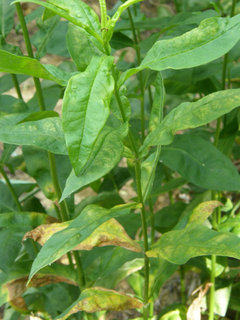
    Potassium regulates water osmosis, plus blooming takes a lot of potassium & calcium, so by the end of season roses' leaves get potassium deficiency (yellow/brown of lowest leaves), or else blackspots (from calcium def. and low pH). Below is a pic. of potassium def on my phlox in dry soil (lowest leaves turn brown/yellow at margins):


  • 4 years ago

    Thanks Straw. I will copy that info in my Rose book for next year!

    strawchicago z5 thanked Ashley Smith zone 5a
  • 4 years ago
    last modified: 4 years ago

    Carol: re-post your question: "Straw - I'm really confused about potassium for my roses for next year. I thought I was to use Langbeinite ...but didn't you say I shouldn't? And my new container of it has granules instead of powder. Thanks!"

    My answer: Langbeinite with 10% magnesium is actually safer to use than Sulfate of potash (has zero magnesium to buffer the acidity of 18% sulfur). However, Langbeinite is harder to dissolve in alkaline tap water than sulfate of potash.

    Since your Langbeinite is granules rather than powder, it would be safe to sprinkle on top of pots, or to soak it overnight in rain water. The 10% magnesium in Langbeinite prevents the 22% potassium from leaching fast.

    I bought sulfate of potash (granules) and I have to dunk it overnight in my rain-barrel. It takes at least 24 hrs. for that stuff to dissolve in acidic rain water (pH 4.5) here. I get instant "glossy leaves" from the granular sulfate of potash (natural), but I don't get "glossy leaves" from the powder sulfate of potash (chemical). Chemical burns and won't be safe if applied on top, but NATURAL granular like Langbeinite is safe to sprinkle less than 2 TBS on top and let acidic rain water dissolve that. But it would take very long to dissolve, thus best soaked in rain water.

    If you use Langbeinite (has 10% magnesium), then NO NEED for Garden lime (has 11% magnesium) .. that would be too much magnesium which hardens soil, and multiflora rootstock hates dense & hardened soil. Magnesium is the "glue" that glue soil together and makes soil wetter, versus calcium separates and makes soil fluffy & drier. Below Pat Austin with dark-green leaves become very glossy in my high-magnesium soil, but dull and pale leaves roses hate my dense & sticky clay and I have to make my clay fluffier with gypsum. Pat Austin is in only 4 hrs. of sun:


  • 4 years ago
    last modified: 4 years ago

    Thank you, Straw!! You are the best! :) :)

    Beautiful color on those blooms...and the leaves are wonderful!!

    strawchicago z5 thanked rosecanadian
  • 4 years ago

    So, since my French roses will need lime (next year)...I shouldn't give those roses langbeinite, because that would be too much Mg. Instead, I should give langbeinite only to my non-limed roses? :) :)

    strawchicago z5 thanked rosecanadian
  • 4 years ago
    last modified: 4 years ago

    Carol: your roses are grafted on multiflora, which DOES NOT LIKE lime (shoots up the pH, and pH of garden lime is over 9). Multiflora stays as cluster root forever, and multiflora can take tons of acidic rain without blackspots like older own-roots or grafted-on-Dr.Huey.

    Lime is used to balance the acidity of alfalfa only. I moved own-root Bolero in spring, which has cluster-root (several spaghetti strands), rather than woody & chunky long-stick like other French roses. Bolero is a floribunda with shorter growth and lots of branching & cluster-blooms. Roots of Bolero look very much like multiflora-roostock.

    Even cluster-root Bolero died with alfalfa meal when I put alfalfa meal in the planting hole, I did mix in pelletized lime to neutralize the acidity, but I did not realize that pelletized lime is TOO SLOW of a release, and can't neutralize the acidity of alfalfa during tons of acidic spring rain.

    That's why Roses Unlimited recommended 1 cup of GARDEN LIME (a dust which raise the pH fast) mixed with 2 cups of acidic alfalfa meal for the planting hole, plus 1 cup of gypsum. I tried such recipe with 4 gallons of potting soil (about 1/2 cup of calcium per 1 gallon), and it worked great for tiny-own-roots (with very tiny cluster roots).

    Langbeinite has 10% magnesium which neutralizes the acidity of its 22% sulfur. Langbeinite pH is neutral thus perfect for multiflora-rootstock, REGARDLESS if those are French roses or Austin roses with pale leaves. Sulfate of potash is more acidic and will burn roots if not diluted with water (1/2 TBS per gallon since its NPK is 0-0-50, extremely high in potassium).

    The problem with multiflora-rootstock (a much thinner & cluster root than big & fat chunky Dr.Huey-rootstock):

    1) Its thin strands of roots are sensitive to chunks of acid, such as alfalfa meal. Alfalfa pellets is even more acidic.

    2) Its thin strands of roots are sensitive to salt, and can't take lots of salty chemical fertilizer like Dr.Huey rootstock. Organics is best like the amazing results you got using Worm Leachate for nitrogen in pots. Worm Leachate has pH 8.5, but that becomes slightly alkaline when diluted with water.

    https://gardenprofessors.com/whats-in-the-worm-juice/

    3) Its thin strands of roots can't push through soil hardened with magnesium and high pH (such as Garden Lime). Gypsum is best as the source of calcium for multiflora (pre-mixed with soil in advance).

    CONCLUSION: I would skip Garden Lime altogether unless one uses it to neutralize the acidity alfalfa meal during acidic rain. Topping pots with alfalfa meal is OK if alkaline tap water is used, but that gets too acidic during rainy week (pH of rain is 4.5). pH of alfalfa is 5, and alfalfa gets even more sour (like vinegar) if fermented or buried under soil.

    The glossy & dark green leaves will benefit the most from Langbeinite since glossy leaves need a higher amount of potassium and magnesium.

  • 4 years ago

    Thank you, Straw <3

    And by Langbeinite do you mean the powdered or the pelleted....I have had both types of langbeinite.

  • 4 years ago

    @strawchicago z5,


    Can I apply the langbeinite now, before the cold season arrives, since it takes a while to dissolve? I wasn't going to add any more fertilizers at this point in the year, but I am thinking I could add the langbeinite for winter and next spring. What do you think?


    strawchicago z5 thanked Artist-FKA-Novice Zone 7B GA
  • 4 years ago

    Strawchicago..I am wondering about langbeinite too...might help my silty sandy rocky soil.


    Frank Gatto is just up the way from me...I talked to him just after he had sold out...I hope I get to see him in spring!

    strawchicago z5 thanked ann beck 8a ruralish WA