

replacing range hood insert
4 years ago
Featured Answer
Sort by:Oldest
Comments (12)
 4 years ago
Related Professionals
Hagerstown Bathroom Remodelers · San Francisco Bathroom Remodelers · Traverse City Kitchen Remodelers · Mobile Interior Designers & Decorators · Tyler Interior Designers & Decorators · Fairbanks Interior Designers & Decorators · Mobile Architects & Building Designers · South Bend Architects & Building Designers · Vernal Kitchen & Bathroom Designers · Ocala Kitchen & Bathroom Designers · Florence Kitchen & Bathroom Designers · Tupelo Kitchen & Bathroom Designers · Montrose Kitchen & Bathroom Designers · Athens Kitchen Remodelers · Lawton Custom Countertops- 4 years ago
- 4 years ago
- 4 years ago
- 4 years agolast modified: 4 years ago
- 4 years ago
- 4 years ago
- 4 years agolast modified: 4 years ago
- 4 years ago
- 4 years ago
Related Stories
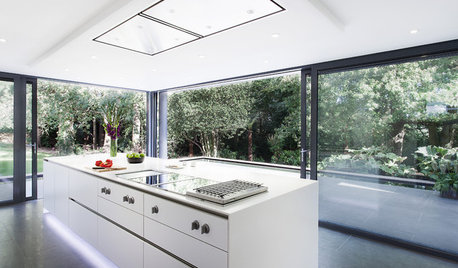
KITCHEN APPLIANCESDisappearing Range Hoods: A New Trend?
Concealed exhaust fans cut visual clutter in the kitchen
Full Story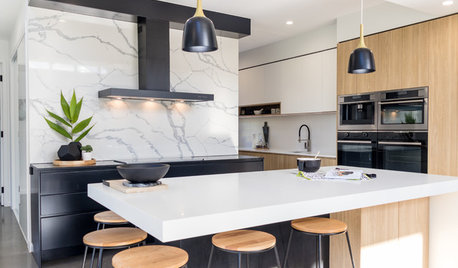
KITCHEN DESIGNHow to Get Your Range Hood Right
Get a handle on the technical specs, and then learn about fun design options for creating a beautiful kitchen feature
Full Story
KITCHEN APPLIANCESWhat to Consider When Adding a Range Hood
Get to know the types, styles and why you may want to skip a hood altogether
Full Story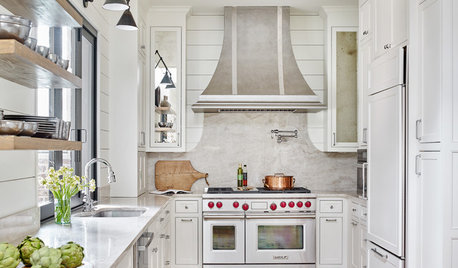
KITCHEN APPLIANCESHouzz Call: Show Us Your Creative Range Hood
Have you customized your kitchen’s range hood? Please tell us all about it
Full Story
KITCHEN MAKEOVERSZinc Range Hood and a Limestone Fireplace Create a Timeless Look
A designer uses weathered materials to fashion a new classic kitchen for her family in Walnut Creek, California
Full Story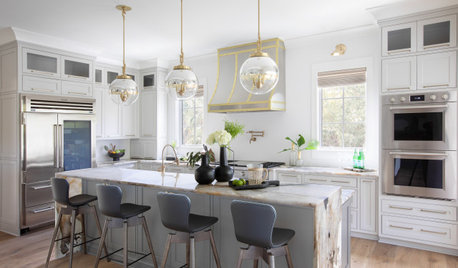
KITCHEN DESIGNDesigner Tips for Range Hoods, Appliances and Lighting
Learn how to get your microwave height just right, what kind of bar stool will be most comfortable and more
Full Story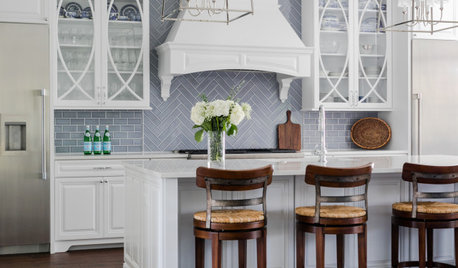
KITCHEN DESIGN10 Terrific New Ideas for Wrapped Range Hoods
See how designers use various materials and ornamentation to play up or play down a covered kitchen range hood
Full Story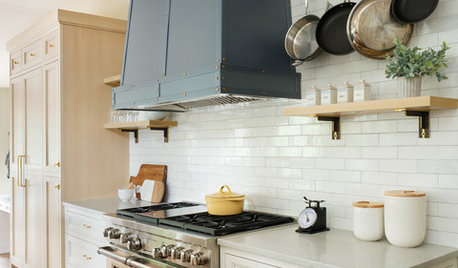
BEFORE AND AFTERS4 Kitchen Makeovers With Standout Range Hoods
In these before-and-afters, see how a custom range hood can take your kitchen renovation to the next level
Full Story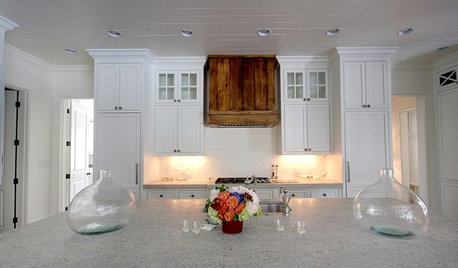
KITCHEN DESIGNWood Range Hoods Naturally Fit Kitchen Style
Bring warmth and beauty into the heart of your home with a range hood crafted from nature's bounty
Full Story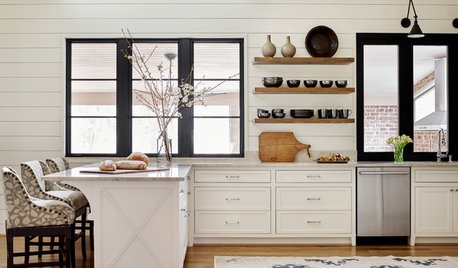
WHITE KITCHENSRoom of the Day: Soothing Kitchen With a Clever Range Hood Hack
Creamy whites and neutral accents keep this kitchen understated. A design trick makes the hood look more expensive
Full Story
Patricia Colwell Consulting