

Old home insulation issue
4 years ago
last modified: 4 years ago
Featured Answer
Sort by:Oldest
Comments (6)
Related Professionals
Watertown Home Remodeling · Rocky Mount Bathroom Remodelers · Cleveland Bathroom Remodelers · Fort Smith General Contractors · Florence Home Remodeling · Williamsburg Home Remodeling · Saginaw Home Remodeling · Fergus Falls Bathroom Remodelers · Cowansville Bathroom Remodelers · Alpena Interior Designers & Decorators · Madison Architects & Building Designers · Cedar Rapids Architects & Building Designers · Albert Lea Architects & Building Designers · Bartlesville Kitchen & Bathroom Designers · Gloucester Kitchen & Bathroom Designers 4 years ago
- 4 years ago
 PRO4 years ago
Related Stories
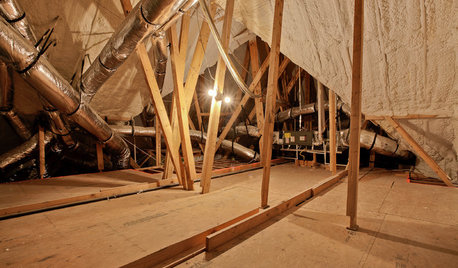
GREEN BUILDINGEcofriendly Cool: Insulate With Wool, Cork, Old Denim and More
Learn about the pros and cons of healthier alternatives to fiberglass and foam, and when to consider an insulation switch
Full Story
ARCHITECTUREStyle Divide: How to Treat Additions to Old Homes?
One side says re-create the past; the other wants unabashedly modern. Weigh in on additions style here
Full Story
UNIVERSAL DESIGNMy Houzz: Universal Design Helps an 8-Year-Old Feel at Home
An innovative sensory room, wide doors and hallways, and other thoughtful design moves make this Canadian home work for the whole family
Full Story
HOUZZ TOURSHouzz Tour: A 300-Year-Old Home Adapts to a Modern Family of 7
A new addition adds much-needed square footage to a 1750s home in Massachusetts
Full Story
HOUZZ TV LIVEStep Inside a Modern Home Built With Old-School Craftsmanship
Watch and read how an architect combined modern forms and materials with crafted details to create long-lasting style
Full Story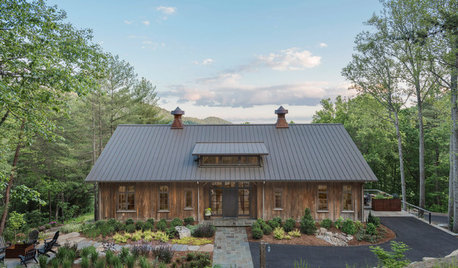
BARN HOMESA Century-Old Barn Finds a New Home in the Mountains
Rustic reclaimed wood and stone feature prominently in a reconstructed barn in North Carolina
Full Story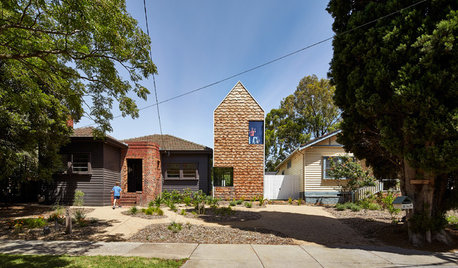
MOST POPULARHouzz Tour: A Playful Home Drawn Up by 8-Year-Old Twins
Plans for this innovative tower home in Melbourne were going nowhere — until the homeowners’ twins came to the rescue
Full Story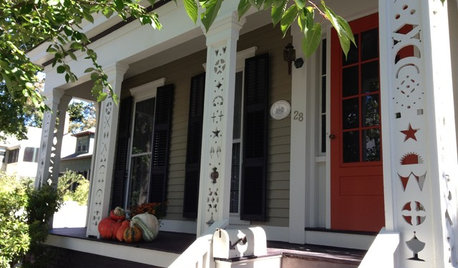
LIFEAge Is Just a Number: Houzzers’ Homes Old and New
Hear the stories behind homes ages 1 to 171, then share yours
Full Story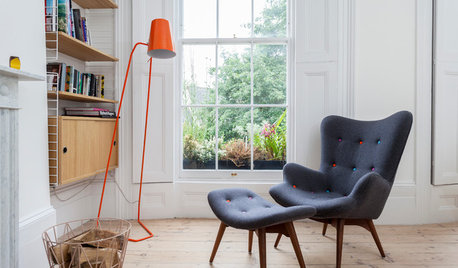
FLOORS10 Ways to Make the Most of Your Home’s Original Floors
Save yourself the cost of replacing your old floorboards with these tips for a new finish
Full Story

HALLETT & Co.