Software
Houzz Logo Print
krokeefe0504

Question about installing siding

4 years ago
last modified: 4 years ago
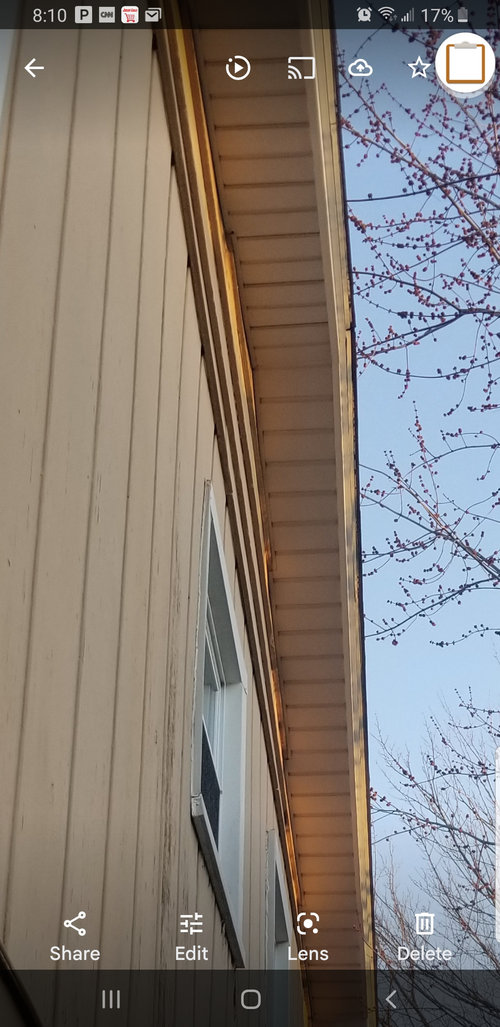
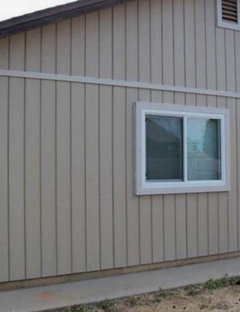
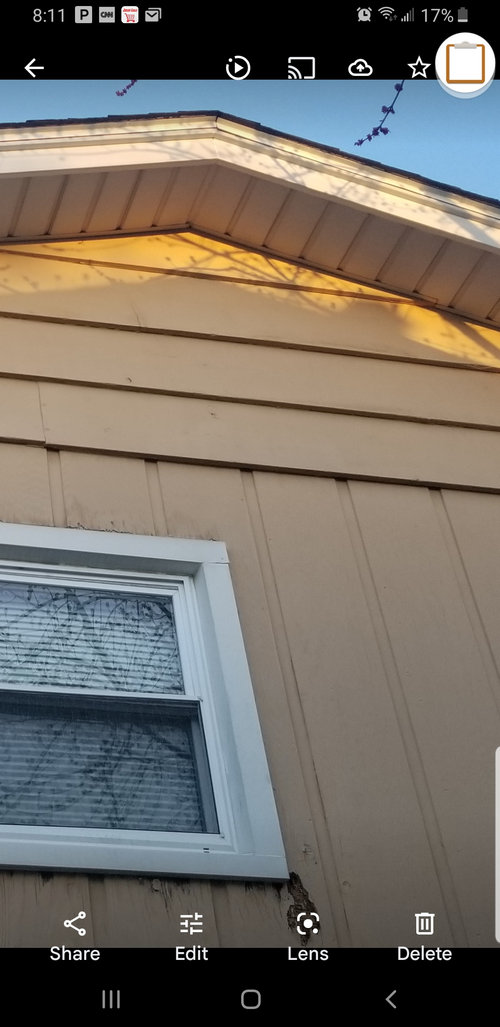
I am going to install vinyl siding over my wood panel siding. Going to put up house wrap and then foam board insulation first. I have a couple questions regarding how to handle some areas of my house. One is on two sides of the house the gables are layered with 3/4 board which sticks out further from the rest of the wood panel siding. Trying to decide how to go about getting one flat surface to install the siding on. Removing it and replacing it with the proper thickness board to match up the thickness of the wood siding looks to be a pain, especially since it goes behind the soft. I have a couple thoughts but wanted to see what suggestions there is from anyone. Thank you in advance for contributing.


Comments (16)

  • PRO
    4 years ago

    Removing the old siding and replacing it is a good way. If an existing vapor barrier exists, double vapor barriers could cause a problem over time.

    krokeefe0504 thanked Mark Bischak, Architect
  • 4 years ago

    Appreciate your advice. Did not think about a possible vapor barrier under it. What could happen if I installed house wrap over the wood siding? Condensation get cought between both vapors and mold developing?

  • 4 years ago
    last modified: 4 years ago
    "Condensation get cought between both vapors and mold developing?"

    Yes, and then much rot. Plus your new siding with stick out well past the existing windows and trim.

    krokeefe0504 thanked millworkman
  • 4 years ago
    • Never removed siding before. I am thinking maybe they are tongue and groove boards? It's the original siding and the house was built in the late 60's. What would the best way to go about it? Just pry it off? Cut sections with a circular saw with blade set to depth of just the siding-and remove sections at a time?
  • PRO
    4 years ago

    Just use a prybar and nice and easy pry the siding and will come right off, don't cut anything or you might cause damage to sheeting, etc. Don't forget to wear safety glasses, etc and if you have never done anything like this and need to use a ladder high-up I suggest you call a local reputable contractor, last thing you need is to take a dive and get hurt.

    krokeefe0504 thanked GN Builders L.L.C
  • 4 years ago
    last modified: 4 years ago

    It is always best to remove all the existing siding, when installing new. That also gives you a chance, to check the outside shell of your house, to make sure there is no mold, or rot, etc and your new siding will look nicer once you are finished.

    krokeefe0504 thanked cat_ky
  • PRO
    4 years ago

    "It is always best to remove all the existing siding, when installing new."


    It depends upon the composition of the existing siding and its condition.

    krokeefe0504 thanked Joseph Corlett, LLC
  • 4 years ago
    last modified: 4 years ago

    Are you sure the panel siding isn't 4'x8' texture 1-11 with the old wide grooves meant to look like reverse board & batten?

    Building wrap is vapor permeable instead of a vapor barrier nor would it be likely for there to be a vapor barrier anywhere other than on the warm side of the studs. If you use a wrap use Tyvek HomeWrap or possibly Tyvek DrainWrap.

    How old is the house? What is the climate? Assume nothing; open up the iinside of the wall to see what's in there.

    krokeefe0504 thanked res2architect
  • 4 years ago

    IMO this pattern of siding from the 60's is almost certainly T1-11 plywood panels.

    The issue of vapor movement through the wall cannot be properly addressed without knowing the climate but it shouldn't be a problem if the insulation has a high enough R value.

    Unfortunately, there's not enough specific information given for anyone to offer you specific advice.

    krokeefe0504 thanked res2architect
  • 4 years ago
    last modified: 4 years ago

    I forgot to mention that the window trim installed on top of the siding is pretty good evidence that the siding is T1-11 plywood panels instead of vertical boards so there's no practical reason to remove the panels. If you did you would need to remove the windows and install new structural sheathing for no gain whatsoever.

    Typical T1-11 plywood panel siding

  • 4 years ago

    Now after seeing the pics, I agree with RES2 that that is plywood T1-11 reverse board and baton siding. More than likely good to go over that, just remember to think out the windows and trim prior to starting.

  • 4 years ago
    last modified: 4 years ago

    I trided posting a update this morning but for some reason it did not go through. Thank you all for your input. millworkman brought up something I did not think about-without removing the old siding the new siding with stick out well past the existing windows and trim. For that reason and also the issue with the gables I decided to remove the old siding and the insulation board underneath. Got it down to the framing. I used a N95 mask while removing the siding and insulation board just in case ithe insulatuon board had asbestos in it. The house was built in the late 60's and I live in Chicago-zone 5. Going with R-6 rigid insulation board. Product I am using can be used as a vapor barrier (using proper sealing tape along with it of course) so not going to use house wrap now. Manufacturer states the rigid foam board I am using can be installed directly to the framing. Its Johns Manville R-6 Foil Faced Polyiso Foam Board Insulation. So that's what I am doing.. How many screws with plastic caps should I install on each 4 × 8 sheet o the insulated board? Manufacture didn't really indicate that. What type of screws? Galvanized ok?

  • 4 years ago

    Only one way to know for sure and that is to send it out for testing.

    krokeefe0504 thanked millworkman
  • PRO
    4 years ago

    The product is a fiberboard (cellulose based) sheathing. It's not likely to contain asbestos, but you'd either need to contact the manufacturer or have a sample analyzed to be sure.


    You could indeed be creating conditions that promote wood rot (and attract insects) if you apply house wrap over your existing siding. House wraps are designed to pass water as a vapor--but not liquid water. You'll also need to pad out your trim if you side over the existing material and get the flashing details right. I think a better approach is to remove the existing siding, install flashing as needed, install a weather-resistant barrier (I like asphalt-impregnated felt) and then install the new siding.

    krokeefe0504 thanked Charles Ross Homes
  • 4 years ago
    last modified: 4 years ago

    I guess its not T1-11 but vertical boards over fiberboard sheathing. Here is some information about Allied Chemical's fiberboard sheathing.

    krokeefe0504 thanked res2architect