

Lead paint on old clapboard siding
4 years ago
Featured Answer
Sort by:Oldest
Comments (9)
- 4 years ago
Related Professionals
Springfield Interior Designers & Decorators · Clarksville Interior Designers & Decorators · Kearney Kitchen & Bathroom Designers · Newport Home Remodeling · Grand Rapids General Contractors · Williston General Contractors · Platteville Bathroom Remodelers · Alexandria Home Remodeling · Jackson Home Remodeling · Gloucester Home Remodeling · Twin Falls Home Remodeling · Evanston Home Builders · Dover Kitchen & Bathroom Designers · Murfreesboro Kitchen & Bathroom Designers · Saint Cloud Kitchen & Bathroom Designers 4 years ago
- 4 years ago
 4 years ago
- 4 years agolast modified: 4 years ago
 4 years ago
- 4 years agolast modified: 4 years ago
- 4 years agolast modified: 4 years ago

Related Stories
HEALTHY HOMEGet the Lead Out: Lead Safety at Home
Keep your family safe by properly testing for and dealing with lead in old painted surfaces, water and soil
Full Story
CURB APPEALHow to Touch Up Your Home’s Exterior Paint
Protect your siding from weather damage without exposing yourself to mismatched paint by learning the right way to do touch-ups
Full Story
COLORFront and Center Color: When to Paint Your Door Purple
From grapelicious to lavender, a front door cloaked in the color of royalty might just reign supreme in the neighborhood
Full Story
FRONT DOOR COLORSFront and Center Color: When to Paint Your Door Blue
Who knew having the blues could be so fun? These 8 exterior color palettes celebrate sunny-day skies to electric nights
Full Story
EXTERIORS5 Easy Tips for Choosing Your Exterior Paint Palette
Make your home the talk of the neighborhood — in a good way — with an exterior paint scheme that pops
Full Story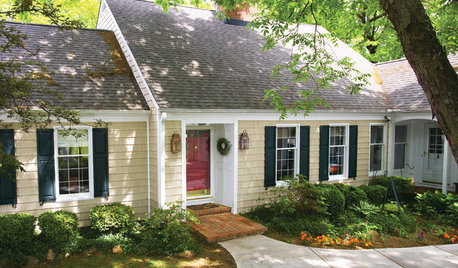
EXTERIORSGreat Home Project: Replace Your Exterior Siding
Learn the material options, costs and other factors when replacing or updating your siding
Full Story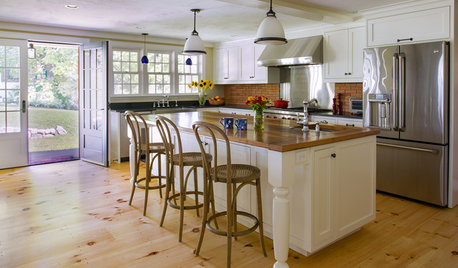
HOUZZ TOURSHouzz Tour: A 300-Year-Old Home Adapts to a Modern Family of 7
A new addition adds much-needed square footage to a 1750s home in Massachusetts
Full Story
MOST POPULARHouzz Tour: A Playful Home Drawn Up by 8-Year-Old Twins
Plans for this innovative tower home in Melbourne were going nowhere — until the homeowners’ twins came to the rescue
Full Story
REMODELING GUIDESFiber Cement Siding Takes a Front Seat
Not just a wood or vinyl substitute, fiber cement is a stellar siding choice in its own right for modern home exteriors
Full Story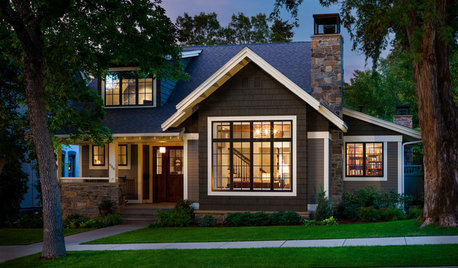
TRANSITIONAL HOMESHouzz Tour: Embracing Old and New in a Montana Bungalow
This home’s exterior fits the historic neighborhood, but its new, more modern floor plan fits the owners’ lifestyle
Full Story
kudzu9