

Induction and pan size
4 years ago
Featured Answer
Sort by:Oldest
Comments (12)
 4 years agolast modified: 4 years ago
- 4 years ago
Related Professionals
Springfield Kitchen & Bathroom Designers · Roanoke Kitchen & Bathroom Designers · Columbia Bathroom Remodelers · Poughkeepsie Bathroom Remodelers · Kearney Kitchen Remodelers · Scranton Kitchen Remodelers · Southaven Kitchen & Bathroom Designers · Martinsburg Kitchen & Bathroom Designers · Torrington Kitchen & Bathroom Designers · Elgin Kitchen & Bathroom Designers · Waterbury Kitchen Remodelers · Waterloo Kitchen Remodelers · Santa Maria Kitchen Remodelers · Cincinnati Custom Countertops · Boston Custom Countertops- 4 years ago
- 4 years agolast modified: 4 years ago
 4 years ago
- 4 years ago
- 4 years ago
- 4 years ago
- 4 years ago
- 4 years ago
- 4 years ago
Related Stories
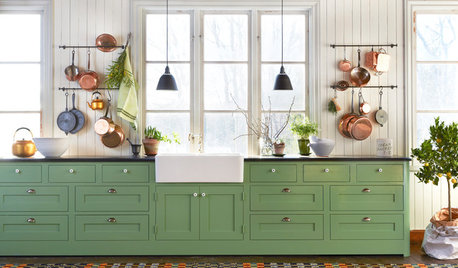
KITCHEN STORAGE7 Reasons to Hang Your Pots and Pans on a Rail
Well-placed utility rails are popping up in stylish kitchens. Here’s why you may want to consider one too
Full Story
KITCHEN DESIGNCreate Your Own Checklist for a Well-Stocked Kitchen
Personalize the kitchen with your own must-haves from our list of top cooking tools, small appliances, pots, pans and more
Full Story
KITCHEN DESIGNJump-Start Your Kitchen With These Minimalist Essentials
These kitchen tools will get you started on your path to culinary success or delicious downsizing
Full Story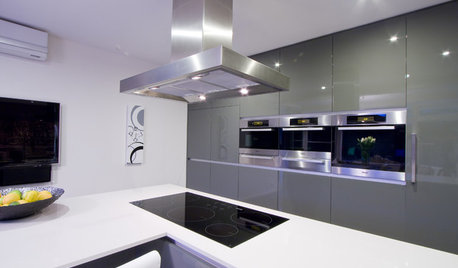
KITCHEN APPLIANCESFind the Right Cooktop for Your Kitchen
For a kitchen setup with sizzle, deciding between gas and electric is only the first hurdle. This guide can help
Full Story
HEALTHY HOMEDetox Your Kitchen for the Healthiest Cooking
Maybe you buy organic or even grow your own. But if your kitchen is toxic, you're only halfway to healthy
Full Story
KITCHEN DESIGN8 Kitchen Organizing Ideas for Messy Cooks
Not the clean-as-you-go type? Not to worry. These strategies will help keep your kitchen looking tidy no matter what your cooking style is
Full Story
KITCHEN DESIGNKitchen Confidential: Trends to Look For in 2017
These designers expect to see more jewel tones, pleasing textures and colorful cabinetry in kitchens this year
Full Story
GREEN DECORATING6 Ways to Cool Off Without Air Conditioning
These methods can reduce temperatures in the home and save on energy bills
Full Story
TASTEMAKERSPro Chefs Dish on Kitchens: Michael Symon Shares His Tastes
What does an Iron Chef go for in kitchen layout, appliances and lighting? Find out here
Full Story
KITCHEN DESIGNA Cook’s 6 Tips for Buying Kitchen Appliances
An avid home chef answers tricky questions about choosing the right oven, stovetop, vent hood and more
Full Story
kaseki