

Vintage Sewing Machine
4 years ago
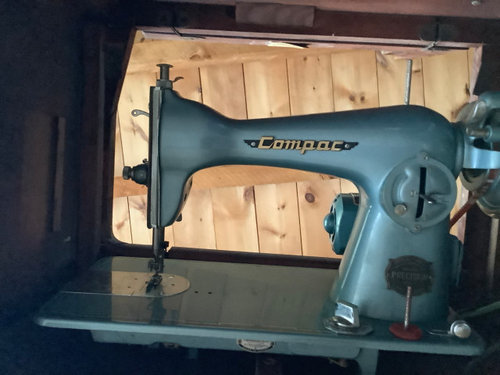
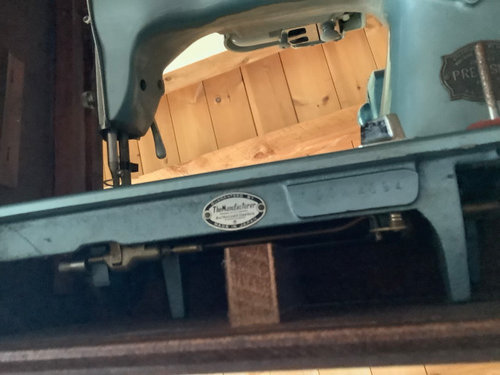
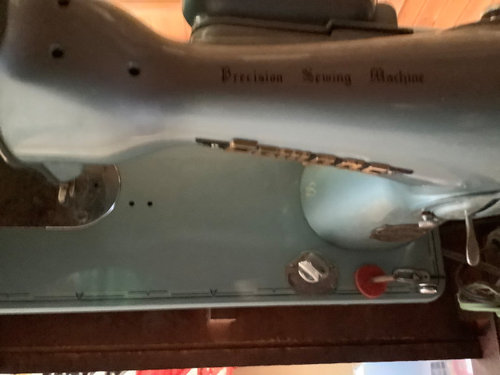
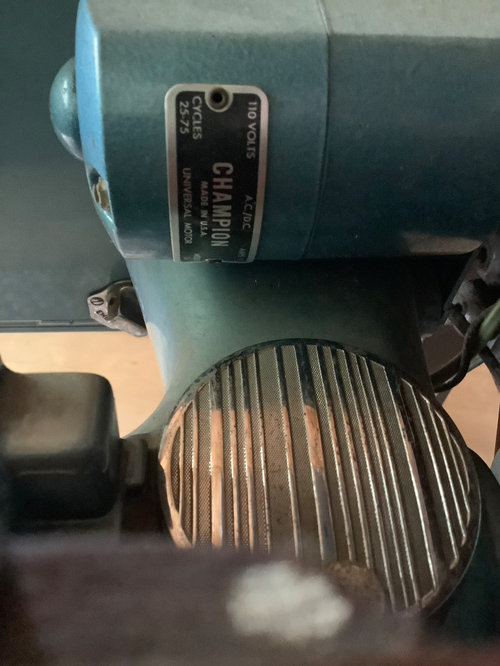
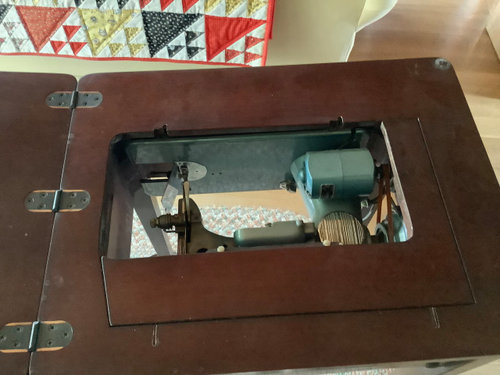
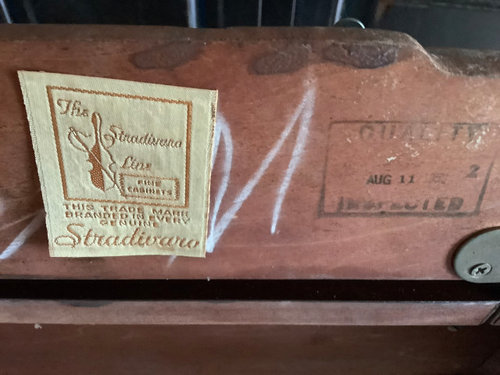
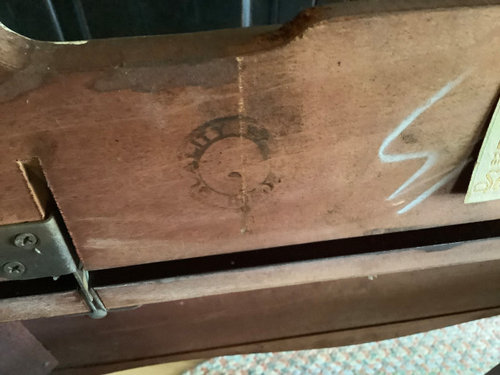
Featured Answer
Sort by:Oldest
Comments (10)
 4 years agoBlueberryBundtcake - 6a/5b MA thanked HighDesert Now Z 6b was 7a
Related Professionals
Dalton Furniture & Accessories · Orangeburg Furniture & Accessories · Pittsburg Interior Designers & Decorators · Philadelphia Furniture & Accessories · Peoria Furniture & Accessories · Fort Smith Furniture & Accessories · Hudson Furniture & Accessories · Hopkinsville Interior Designers & Decorators · Fredericksburg Carpenters · Lebanon Carpenters · Manhattan Furniture & Accessories · Colorado Springs Furniture & Accessories · Miami Interior Designers & Decorators · Sedalia Flooring Contractors · San Antonio Flooring Contractors- 4 years ago
- 4 years agolast modified: 4 years ago
 4 years ago
- 4 years ago
- 3 years agolast modified: 3 years ago



Related Stories
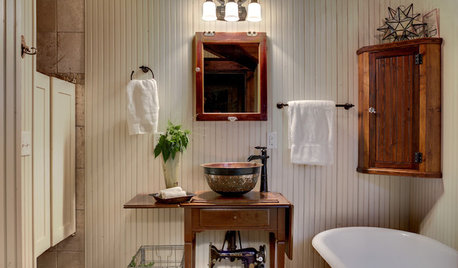
VINTAGE STYLEAntique Sewing Machines: Tailor Made for Nostalgic Decor
In full-on vintage rooms or contrasting modern looks, old sewing machines and tables are stirring up the past in a most stylish way
Full Story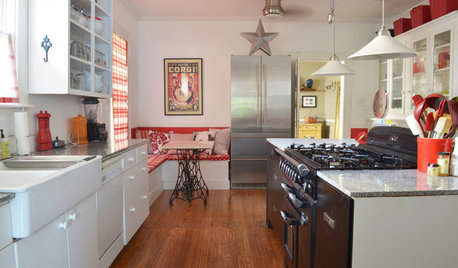
FURNITUREGreat Vintage Find: Antique Sewing Tables and Cabinets
These history-rich pieces add unique style and function all over the house
Full Story
DIY PROJECTSMake a Gorgeous (Cheap!) Pillow Using Vintage Clothes
With secondhand fabric and a steady hand on the sewing machine, your pillow choices are endless
Full Story
ORGANIZINGRoom of the Day: Cluttered Closet Becomes Tween’s Sewing Nook
A mother helps her 11-year-old daughter create an organized space for her passion
Full Story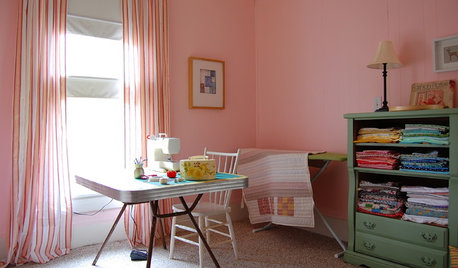
STUDIOS AND WORKSHOPSA Stitch in Time: Creative Sewing Spaces
Sewing rooms have become popular again as people of all ages embrace simple crafts they can do at home
Full Story
BUDGET DECORATINGBudget Decorator: 11 No-Sew Home Decor Projects
No seamstress skills? You can still show off fab fabrics and trim — not to mention your creative ingenuity — all around your home
Full Story
DECORATING GUIDES20 Favorite Vintage Items and How to Use Them
Add Patina and Personality to Your Home With Great One-of-a-Kind Finds
Full Story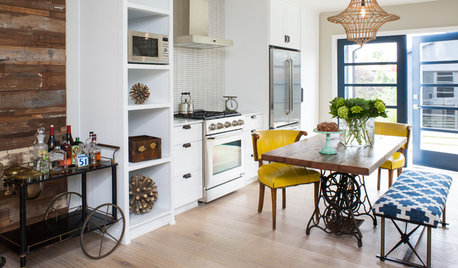
KITCHEN DESIGNKitchen of the Week: One Man's Vintage-Modern Mash-Up
Eclectic style meets Scandinavian modern in a Los Angeles bungalow kitchen designed for entertaining
Full Story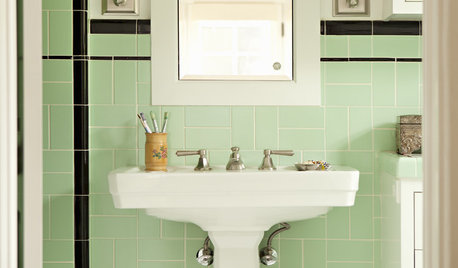
BATHROOM DESIGN10 Vintage Touches for Your Bathroom
Add unique style to your loo with antique furniture, fixtures, accessories and hardware
Full Story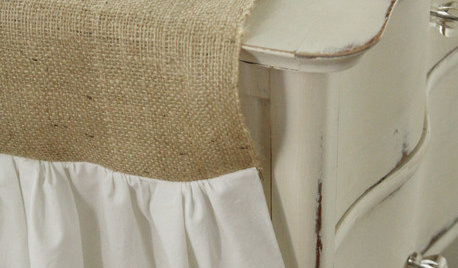
DECORATING GUIDESHandmade Home: How to Sew a Table Runner
Make an affordable and easy ruffled burlap table runner in a few simple steps
Full Story
bkay2000