Software
Houzz Logo Print
ck1717

What's eating my Clematis Armandii?

4 years ago
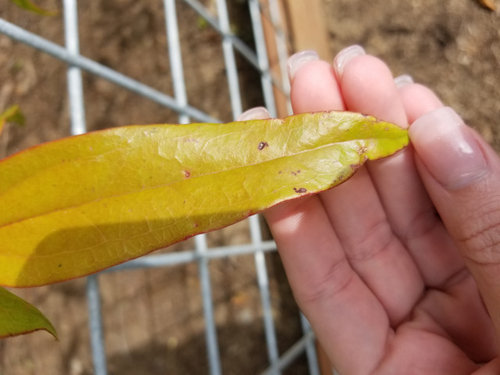
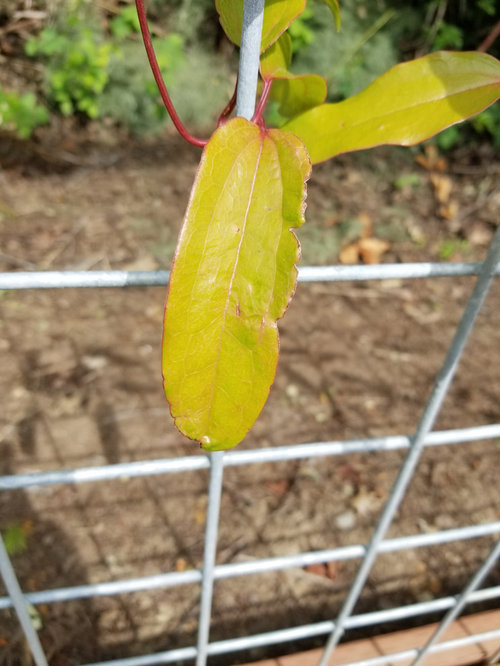
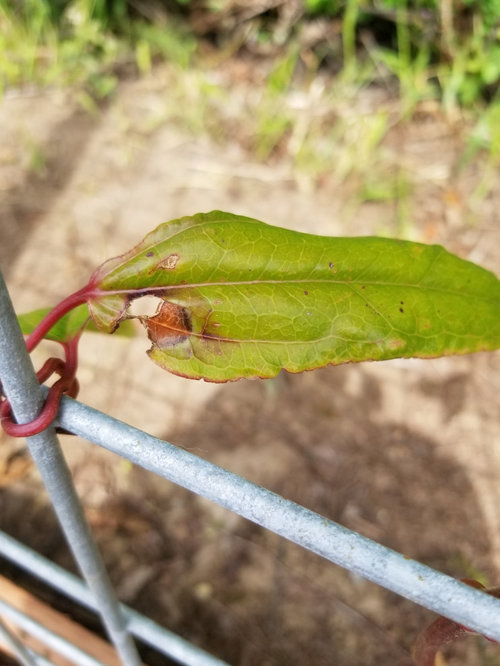
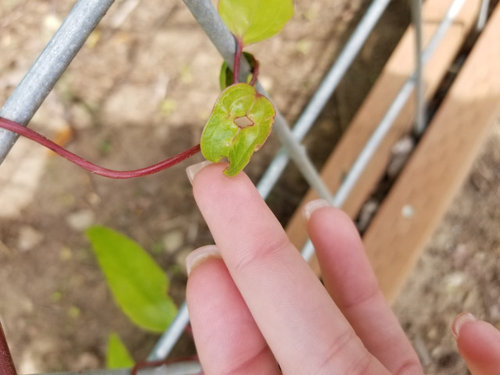
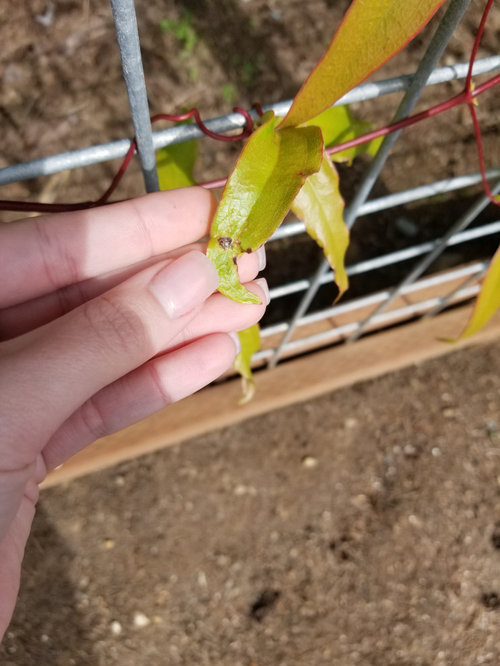
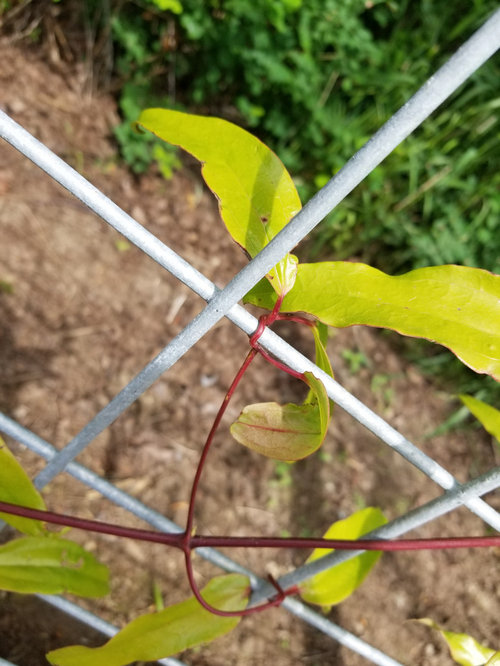
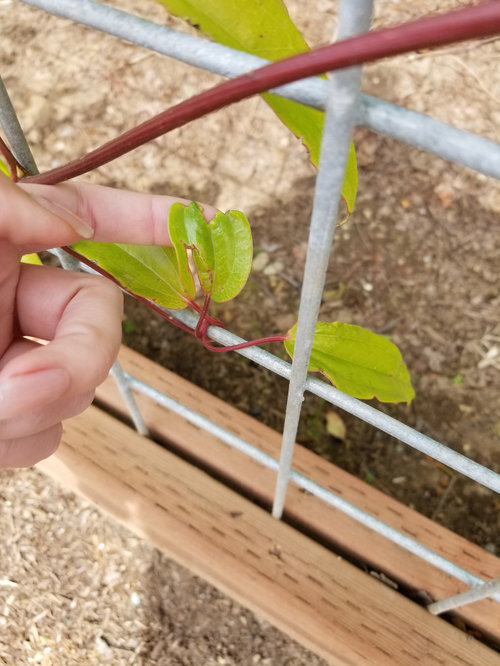
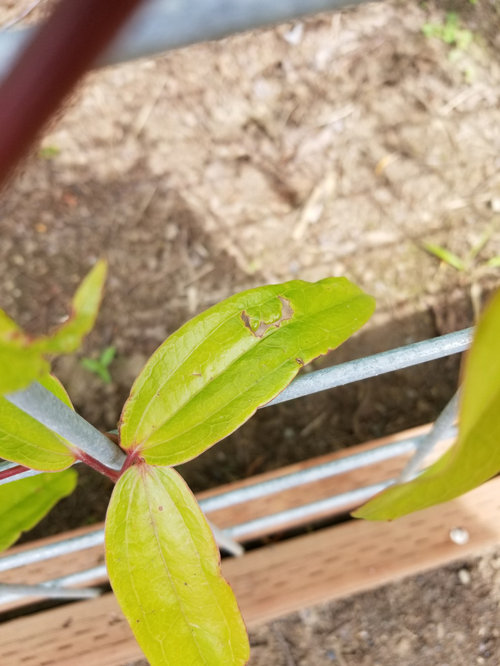
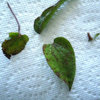
The leaves on all 6 plants have started looking lighter and a bit sad. Today I got up closer and noticed holes in some leaves while others have been half eaten. Several of the plants have some webs around leaves but they appear to have a regular spider on them vs spider mites (although I saw a couple very small red spiders running down one of the stalks...). Thoughts?


Comments (13)

  • 4 years ago

    There is nothing eating your clems :-) Armandii are bothered by virtually no insect pests here in the PNW. What you are seeing is physiological or mechanical damage.......the normal wear and tear that occurs at the nursery and with fresh plantings. It is always most noticeable with young, freshly planted stock and poses no issues to the long term health of the plant.

    That leaf color is still really off though and that DOES cause me concern!

  • 4 years ago

    Much too recently planted for it to be a nutrient deficiency. More likely to be a watering issue.

    What's the drainage like in this area? Have you ever done a perc test?

  • 4 years ago

    Yes she did....in another thread on this same topic while you were so busy trolling elsewhere. And yes there IS a timetable. Plants do not take up nutrients immediately after planting so any nutrient deficiencies will show up after an extended period of time. Plus, they are likely supplied with all the nutrients they need for the rest of the season by the grower.

    So Jordan, our trolling plant authority, precisely what nutrients do you believe these plants are deficient in and why? Inquiring minds want to know!! 🥴

  • 4 years ago

    Get serious!! No retail nursery worth its salt is selling plants with a pre-existing nutrient deficiency!

    And the continued rudeness is noted and reported. Keep on trolling, little man. You won't be here for long. Or better yet, delete your nonsense like you are so fond of doing and just go away.


  • 4 years ago

    Thanks @gardengal48 (PNW Z8/9)!!

    They're planted on what was a VERY wet and clay ridden hill. We installed a retaining wall to keep it from washing away (since our fence is on top of it) and created a flower bed in the space between the wall and the fence. Proper drainage was added behind the wall leading to a drain in our yard. We spent weeks amending the soil. We've added loads of soil conditioner as well as compost (all organic). Now, I am concerned we may not have amended deep enough 😬 but I'm not sure what can be done at this point because removing everything to amend again would likely damage the clematis 😔 I'm having a soil test done to see if it's some sort of nutrient issue but I too am concerned its waterlog.

    As a side note, we have moles that are coming with a vengeance. I know they dont "eat" roots but they are burrowing directly under the clematis and I can't imagine they arent causing any damage to the roots. Especially considering how theyve totally up-ended several of my bulbs, and pushed up half a Sedge 😡

  • 4 years ago

    Cait, there is NO case in point and NO nutrient deficiency! As is his habit, Jordan comments on what he knows very little about what and his advice is almost always incorrect. All he manages to do is state the same thing over and over with nothing to substantiate his claims.

    No typical nutrient deficiency looks anything like that. My first guess would be overly wet soil because that is the most common issue in both clay and amended clay soils. And we have not been short with rain :-) Dig down alongside the roots and check to see how wet the soil is. (you can also check for mole disturbance at this time :-)) Clems need fast drainage but prefer consistently moist - not wet - soil. That's why it is recommended to plant something low and spreading over the root zone....to slow soil moisture evaporation. It is a hard state to achieve in a clay based soil.

  • 4 years ago

    @gardengal48 (PNW Z8/9) no shortage of rain.. that's for sure!! I'll do an exploratory mission asap to check on how wet the soil is. They were looking much better before our last big bout of rain.

    I also found 0 moles last time I was in there planting and there used to be loads. Annoyed that the moles have likely eaten most of them 😭 I'm just trying to grow a green privacy block over the hogwire dammit! Lol

  • 4 years ago

    Before it was Houzz, it was GardenWeb and that was started in the mid 90's. And the followers have only been a feature since the Houzz acquisition in 2015, not 2009. Before it acquired GardenWeb, there were NO plant or gardening discussions on Houzz.

    And 231 followers is still 231 more than you have!

    So as usual, Mr. Know-it-all, you don't know nearly as much as you think you do. Stop, just STOP. Do you have any idea how ridiculous your inane comments make you look?? There are a lot of chuckles going on behind your back.

  • 4 years ago

    @gardengal48 (PNW Z8/9) its not your fault. I've flagged the inappropriate ones as this is not the place for trolls. I truly appreciate all your help and knowledge!

    We dug around in the bed a bit today. The soil is moist but not wet by any means. What we did find is a bunch of new roots from, we assume, the nearby poplar tree that we will be removing in the next few months. We chopped a few big ones when we were first amending but my husband pulled up over 6 ft of brand new tree roots that weren't there a couple months ago 😬 cant wait till we take that thing down. It's only cause problems.

    Have you had any issues with the hardy geraniums taking over or choking out your plants?

  • 4 years ago

    Not really :-) Some, like Geranium phaeum or Johnson's Blue, self seed rather freely. But most are quite well-behaved. Rozanne is a perpetual favorite but is deciduous or dies back in winter. My favorite evergreen choice for our area is G, cinereum 'Laurence Flatman'


  • 4 years ago

    @gardengal48 (PNW Z8/9) do you find that clematis like acidic, neutral, or alkaline soil? Most things are pretty straightforward but that is something I continue reading mixed information on. Since the soil seems to be draining just fine, I'm wondering if it may be a nitrogen issue?? I'll be the first to admit, we likely over tilled the bed 😬 contemplating experimenting and giving a little blood meal to one of the clematis and see what happens...

  • 4 years ago

    Like the vast majority of plants, they prefer a slight acidic pH of 6.0 - 7.0. Unless you have some unusual soil conditions, your pH should be right in the ballpark.

    Since nitrogen is so mobile and the single nutrient most often lacking in our gardens, a judicious application from an organic source may very well be helpful. My preferred source is alfalfa meal - not as 'hot' or fast acting as blood meal and contains a natural plant growth hormone that encourages basal stemming on clematis. And that is always a good thing :-)

Sponsored
Peabody Landscape Group
Average rating: 3.5 out of 5 stars8 Reviews
Columbus' Reliable Landscape Design & Contracting