Software
Houzz Logo Print
north53zone2b

HVX on Niagara Falls

4 years ago
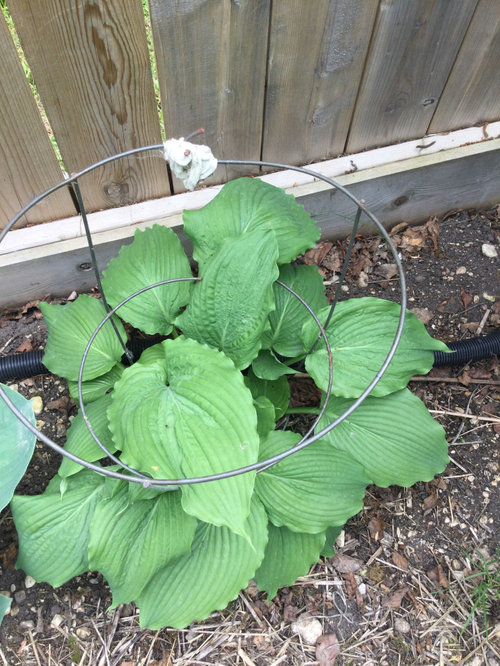
Some years ago I queried why my Niagara Falls was shrinking in size. I was advised to dig it up and check the roots. When I did that, I broke off a division which I relocated to a holding bed and ignored it until a few days ago. I am positive it has HVX. This has me horrified because I didn’t think I had any infected hosta in my yard. I subsequently checked the parent plant. It doesn’t look as bad as the small hosta, but some leaves show the symptoms.

I am asking for confirmation of my diagnosis and advise on how to safely remove a large infected hosta from my hosta bed. The small one should be easy to deal with.

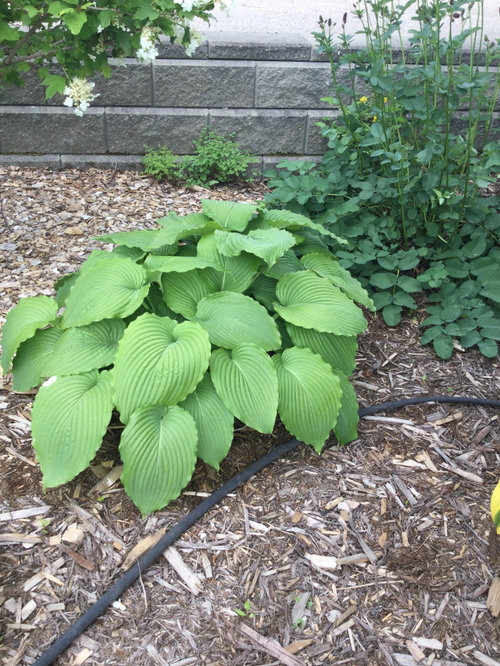
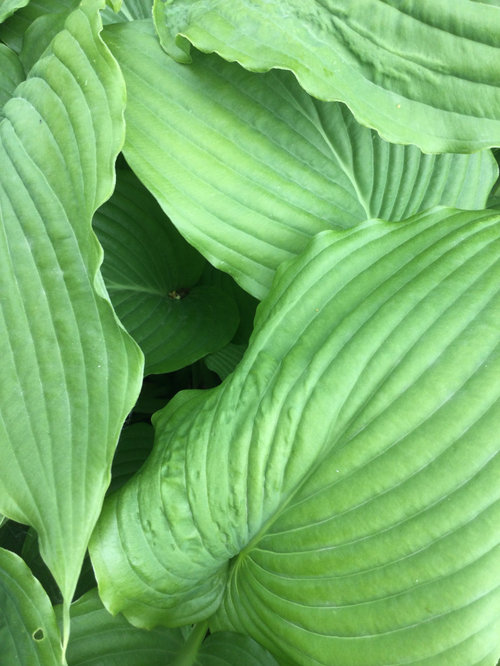
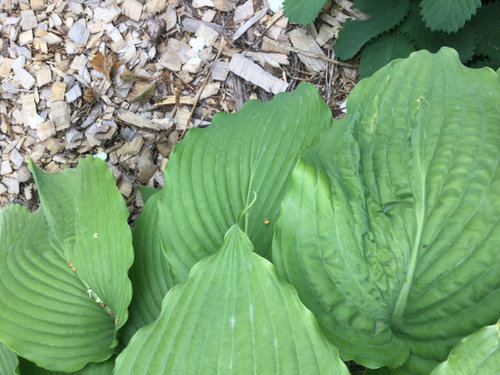
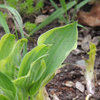
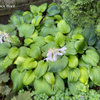
Here are pictures from the small specimen.


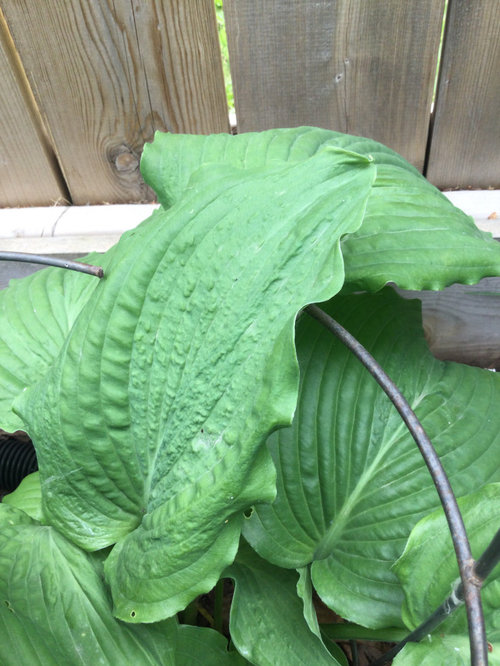
Here is the large plant and a couple of infected leaves.


Comments (12)

  • 4 years ago

    i think its one of the diseases.. not sure if its hvx ...

  • 4 years ago

    It looks like the collapsing tissue commonly seen in HVX. Looks to me as if they both are infected. I had a hosta that developed the ink bleed symptoms some years aga. My suggestion is to remove them both.

    Dig them out carefully including the soil, as that carries the virus as well. Make sure not to spread any dirt near healthy plants. Possibly use a tarp or painters cloth. Use your tools to remove the plants. Most people recommend placing them in black garbage bags, not in city plant recycling because this will carry the disease. Don’t compost them for the same reason.

    Make sure to get all the roots. Then you must sanitize your tools used and wash garden gloves as well. Finally, you cannot plant another hosta in either space as it takes the virus several years to die off in the soil.

    I learned to do it this way from people here on the forum. If I got something wrong, they will correct. There is also a test that can be purchased for about $70 when it’s uncertain about a plants symptoms. In my opinion, that would be a waste of your money.

    Sorry to be the bearer of bad news. On the Home page of the HL there are photos of the virus.

    debra

  • 4 years ago

    HVX only lives in live tissue - or is there new research about this? I would kill that Hosta with Round Up and next year plant something else in that spot once I was sure the plant was completely dead.

  • 4 years ago

    What Debra said is what I've always thought. ken tells a story about someone mowing their hosta down and spreading HVX to all his hosta. He had to hire a back hoe to remove all the soil and replace it. I've not followed the research as closely I as used to, but unless things have changed in the last couple of years, Debra is right.

    bkay

  • 4 years ago

    Sometimes frost damage looks similar to this. But you easily can see new flush of leaves being clean. Yours show new leaves being affected to. Whatever it is I would remove it.

  • 4 years ago

    According to the Hosta Library page on HVX, "It survives only in living plant tissue and dies without a host. Plants in pots may be simply disposed of or burned. Plants in the ground should be dug carefully as to get as many roots as possible, and the spot should not be replanted until any remaining roots have died and rotted away."

    I think the issue is the roots still in the ground carry the virus and it's very difficult to get all the roots. That's why I would kill all the roots while they are still attached to the plant. You'd have to weigh the risk of leaving the plant there while it dies, versus how long roots remain "alive". Rip it out and plant something else is certainly a viable plan. OK, maybe not "rip" but you get the idea.

    Also, a recent Hosta Journal had a bunch of new research into HVX, so the HL may be out of date.

  • 4 years ago

    I had not seen new research in the Hosta Journal. The last one I received was the first one for the year…….. is there one that came very recently steve, that maybe I haven’t seen? I’ll check……bkay is the one I received my info from. I planted a heuchera in that spot that’s doing ok. It’s been at least 3 years, so this year I planted a diminishing hosta there, in case I lose it, I won’t care……seems to be doing fine so far.

    debra

  • 4 years ago

    Sorry, it was a reprint of an old article from 2005 in Volume 49 number 1. The recent issue has a bunch of research into nematodes. Seems like there should be some newer research than that.

  • 4 years ago

    Thanks everyone. I haven’t seen as many comments about HVX lately, and I hoped there was new info about how to deal with it. I am very concerned because I’ve had Niagara Falls for a long time and had no idea it was infected. I can only hope i haven’t spread it to my other hostas.

  • 4 years ago

    north53, my hosta was an old Gold Standard that had been fine for years. Then one year it didn’t look fine. I may be able to find that post and bump it up as the pics are on a jump drive that won’t work well with my ipad.

    debra

  • 4 years ago

    NHL, thanks for that link. I bumped a post, because I don’t know how to do the copy amd paste on my iPad…..duh!


    What I found most helpful about your post are the unusual tissue in the leaves. I think in a hosta like WB, which develops considerable puckering with maturity, it is difficult to see what is normal and what is not. It can be easy to miss. My hosta was so obvious as it was covered all over in inkbleed pattern. Tissue collaspe can be a bit more subtle. Thanks for sharing that. I also enjoyed the conversation on the thread.

    debra