

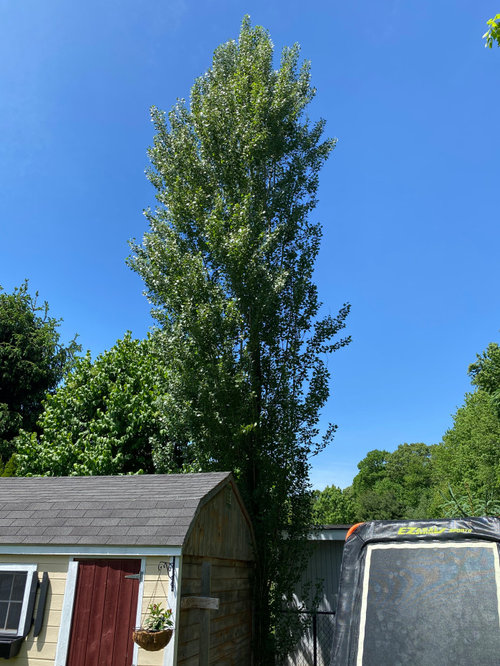
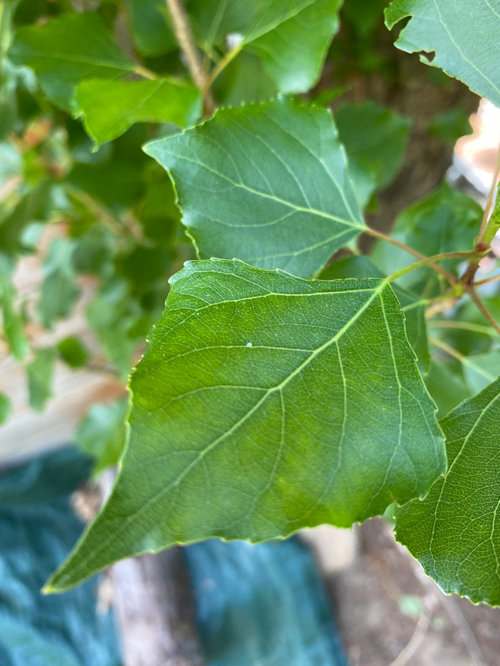
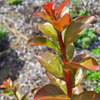
Help to identify these upright trees?
4 years ago
last modified: 4 years ago


Featured Answer
Sort by:Oldest
Comments (11)
 4 years ago
Related Professionals
Lawrenceburg Landscape Architects & Landscape Designers · Murfreesboro Landscape Contractors · Kalispell Landscape Contractors · College Station Home Builders · Stockton Home Builders · Washington Landscape Architects & Landscape Designers · Frederick Landscape Architects & Landscape Designers · Ardmore Landscape Architects & Landscape Designers · Jonesboro Landscape Contractors · Pensacola Landscape Contractors · Florence Landscape Contractors · Portsmouth Landscape Contractors · San Bernardino Landscape Contractors · Fargo Home Additions · Sierra Vista Home Additions- 4 years ago
 4 years ago
- 4 years ago
- 4 years ago
- 4 years agolast modified: 4 years ago
 4 years ago
 4 years ago
- 4 years agolast modified: 4 years ago
- 4 years ago
Related Stories
GARDENING GUIDESTree Care: Common Tree Diseases and What to Do About Them
Learn to recognize trees that may be affected by diseases or pests so you can quickly take action
Full Story
CHRISTMASReal vs. Fake: How to Choose the Right Christmas Tree
Pitting flexibility and ease against cost and the environment can leave anyone flummoxed. This Christmas tree breakdown can help
Full Story
LANDSCAPE DESIGN8 Trees Landscape Designers Love for Small Spaces
Learn more about the top-performing trees to grow in tight corners, city courtyards, narrow side yards and more
Full Story
LANDSCAPE DESIGN8 Reasons to Plant a Great Tree
Beauty is its own reward, but the benefits of planting the right tree in the right place go way beyond looks
Full Story
LANDSCAPE DESIGNFire-Wise Landscapes Can Help Keep Your Home and Property Safe
Choose fire-resistant plants and materials and create defensible areas using these design strategies
Full Story
GARDENING FOR BIRDSBackyard Birds: How to Identify Two Common Woodpeckers
Downy and hairy woodpeckers have similar coloration and behavior. But there are two big differences that separate them
Full Story
PLANTING IDEAS10 Native Trees Landscape Designers Love
Pros share their top plant picks in this roundup of beautiful and beneficial native trees from around the country
Full Story
SIDE YARD IDEASNarrow Trees for Tight Garden Spaces
Boost interest in a side yard or another space-challenged area with the fragrance and color of these columnar trees
Full Story
GARDENING GUIDESAn All-Star List of 10 Shade Trees to Plant This Fall
These tried-and-true varieties offer good-sized canopies, seasonal interest, wildlife benefits and more
Full Story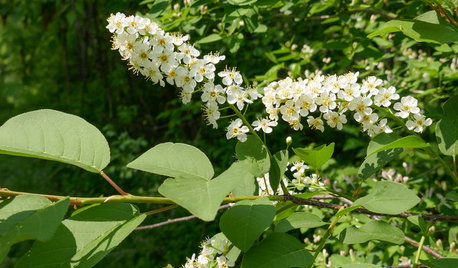
GARDENING GUIDESPrunus Virginiana Thrives Under Deciduous Trees
Plant chokecherry for showy white flowers favored by native bees in spring, and to provide nesting habitat and food for birds
Full Story
floral_uk z.8/9 SW UK