Software
Houzz Logo Print
ebunim

Sound question - poor construction? Anything else?

4 years ago
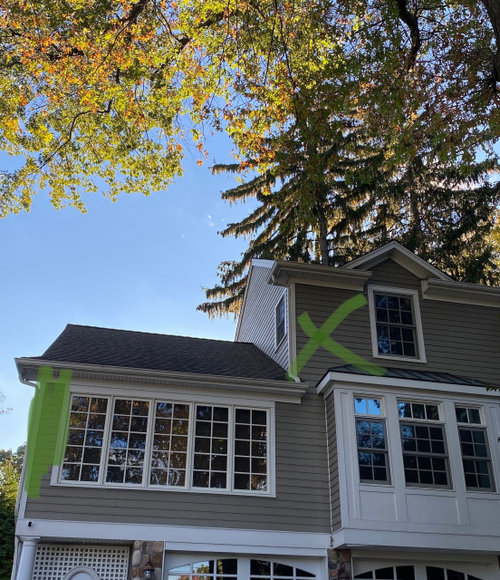
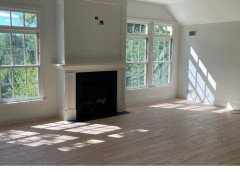
Hello, we recently purchased this home. The room over the garages is the family room (green stripe) and above that to the right are two bedrooms (one is marked with an X).


Questions - when we are in the bedrooms, we can hear everything going in the family room - even a normal volume conversation. What the heck! What is most surprising is the rooms are not actually on top of one another. Anyone have any ideas what's going on? We know these parts of the house were added on in 2005. Is this just shoddy construction?


Comments (21)

  • 4 years ago

    Sound transmitted via forced air heating ductwork?

  • PRO
    4 years ago

    Does the family room have a vaulted ceiling?

  • 4 years ago

    Yes, we do have forced air. But... this is upsetting.. the amount of sound essentially renders the bedrooms useless

  • 4 years ago

    I would say slightly vaulted, yes.


  • 4 years ago

    I’m sorry you’re dealing with this, notnyc. Our home, built 2008, is awful too. I clearly hear actual conversations on the downstairs TV when I’m upstairs. Terrible construction, IMO. I believe it might be coming through the ducts but that’s just my guess.

    notnyc thanked NagyMama
  • 4 years ago

    Is the family room always hot or cold too? You probably have little ceiling insulation with that vault. That also means little wall and gloor insulation. Soft surfaces in the room will help absorb some sound that gets through. But if you want to make it quiet, you have to first blovk the sound from getting through. Address holes between the two rooms, like electrical outlets and doors. Then add a second layer of drywall on both sides of that wall. If you can glue up some pink foam first, that will also help.

  • 4 years ago

    This happens in a lot of homes, you just don't hear about it much! The first house my parents owned had a similar problem. My bedroom was the one upstairs, partly over the den. As an older teen and young adult this wasn't usually a problem as I stayed up later than my parents and they didn't watch TV early on weekends! It was a problem the times that I tried to go to bed earlier than normal, then I would hear the TV and would bang on the floor! Most of the sound came through the ducts.

    Many of the homes with 2-story foyers and family rooms have issues with sound being heard in the upstairs kids bedrooms open to those spaces.

    We spent quite a bit on sound mitigation on the house we built last year and it still isn't perfect.

    notnyc thanked chispa
  • 4 years ago

    Someone can correct me if I am wrong but "poor constuction" probably has little to do with it. Sound travels in a somewhat predictable pattern and air leakage is the predominant reason for very poor performance. There really isn't any standard on that for room to room.

    As others have said, look at the duct work. Also seal up outlets that connect walls and look at doors too although those are hard to fix.

    Then consider adding layers of drywall with Green Glue in between - but really this is after the air movement has been stopped.

  • 4 years ago

    Sound travels through the easiest conduits. Joined air space is most likely the issue. It's easy to check -- cover, muffle, or otherwise block any shared air supply or returns and see what happens. (My DBF is an acoustics expert.)

  • 4 years ago

    Check into having the attic air sealed, along with other energy saving things. It can make a big difference and will help with some of the acoustics.

  • PRO
    4 years ago

    "you just don't hear about it much!"

    Good one chispa.

  • PRO
    4 years ago

    There may be no insulation between the second floor room and the upper part of the Family Room.

  • 4 years ago

    @Mark Bischak, Architect, where would the insulation be? The area is not an open space - like a double story great room, they don't share a wall, and they are not on top of each other. That's what is most confusing to me.

    By upper part of the family meaning the back wall of the bedroom- the exterior wall?

  • 4 years ago

    @David Cary I appreciate the suggestion - you mentioned to seal up outlets that connect walls, but we don't have any connecting walls. The rooms are on two different levels of the house and the lower level does not open as in a great room.

  • 4 years ago

    I'm not sure if the photo was misleading - but the rooms I mention are on two different levels of the house, and they are staggered - they do not share walls or a floor/ceiling.

  • PRO
    4 years ago
    last modified: 4 years ago

    The vault of the family room HAS to share the wall with the bedroom. The peak is above the floor level of the bedroom by quite a bit. Vaulted ceilings never get enough insulation.

  • 4 years ago

    @User okay, I see what you are saying about the peak. So the best remedy is to open the drywall and add insulation?

  • 4 years ago

    Well, as someone who lived in apartments for longer than most people who eventually own homes (18ish years), I have dealt with noise from every conceivable arrangement (side/up/down/over). I might suggest getting a noisy fan and learning to sleep with white noise. Vornado work really well and are stylish (and will be significantly cheaper and more effective than possibly anything else you might do). As a home owner now with a tired parent's sleep schedule, I still sleep with white noise even though it's rarely needed to drown out other noise. I just prefer it.

  • 4 years ago

    First you need to discover where the noise is coming through between the two rooms. Is it the common wall area? The heating return ducts? Heating supply ducts? Is the noise level the same in the room below the bedroom with the common wall to the family room?

  • 4 years ago

    Look for HVAC ducts that serve both spaces; electric outlets on either side of the same stud bay; gaps below baseboards; shared walls that are not continuous from floor deck to floor/roof deck & single layer drywall. If sound leaks have been sealed, consider adding an additional layer of drywall to one side of the wall assembly. Next level would be a layer of drywall on resilient channels or green glue and the next level would be a layer of drywall on channels supported by resilient clips.