

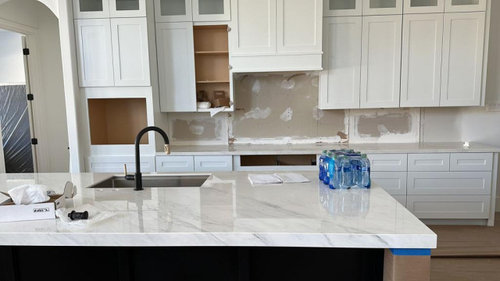
Vent hood size issue
4 years ago
Sort by:Oldest
Comments (3)
Related Stories
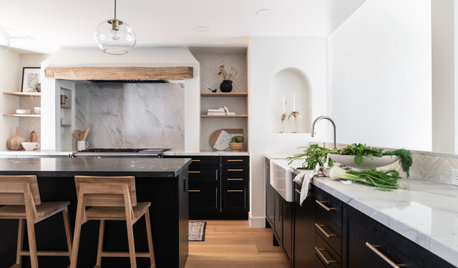
NEW THIS WEEK8 New Kitchens With Stylish Vent Hood Ideas
See how pros played with designs and placements to turn this appliance essential into a standout — or hidden — feature
Full Story
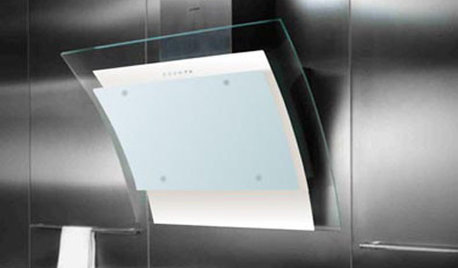
5 Stunning Modern Range Hoods
Today's kitchen range hoods can look like sleek sculptures. Here's what to look for when you go shopping for one
Full Story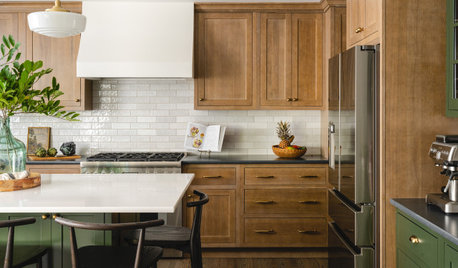
KITCHEN DESIGN15 Attractive Kitchen Range Hoods
Ready to clear the air? These thoughtful designs above the cooktop show how to do it in good taste
Full Story
KITCHEN DESIGNHow to Choose the Right Hood Fan for Your Kitchen
Keep your kitchen clean and your home's air fresh by understanding all the options for ventilating via a hood fan
Full Story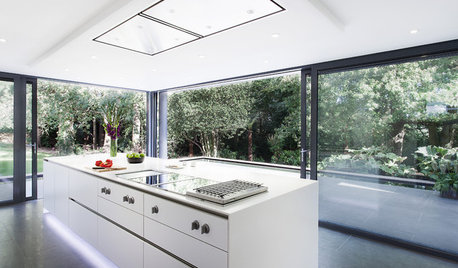
KITCHEN APPLIANCESDisappearing Range Hoods: A New Trend?
Concealed exhaust fans cut visual clutter in the kitchen
Full Story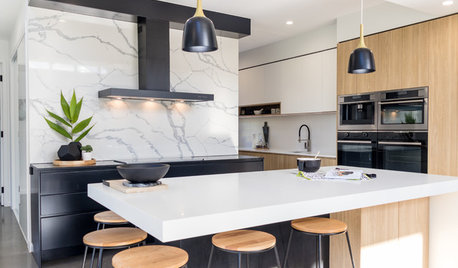
KITCHEN DESIGNHow to Get Your Range Hood Right
Get a handle on the technical specs, and then learn about fun design options for creating a beautiful kitchen feature
Full Story
KITCHEN APPLIANCESWhat to Consider When Adding a Range Hood
Get to know the types, styles and why you may want to skip a hood altogether
Full Story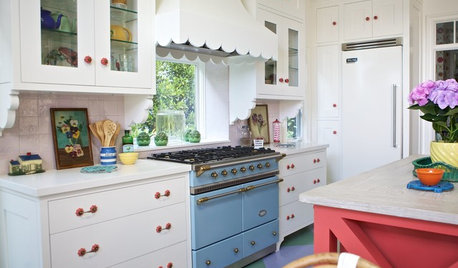
KITCHEN APPLIANCESThe Many Ways to Get Creative With Kitchen Hoods
Distinctive hood designs — in reclaimed barn wood, zinc, copper and more — are transforming the look of kitchens
Full Story
KITCHEN DESIGNWhat to Know When Choosing a Range Hood
Find out the types of kitchen range hoods available and the options for customized units
Full Story
M Miller
kaseki
Related Professionals
Cape Coral Kitchen & Bathroom Designers · Jackson Kitchen & Bathroom Designers · Moline Kitchen & Bathroom Designers · Gillette Kitchen & Bathroom Designers · Jackson Kitchen & Bathroom Designers · Ardmore Bathroom Remodelers · Myrtle Beach Bathroom Remodelers · Houma Kitchen Remodelers · Saint Joseph Home Remodeling · Grand Junction Home Remodeling · Lake City Kitchen Remodelers · Winston-Salem Kitchen Remodelers · Selma Bathroom Remodelers · Victoria Bathroom Remodelers · Boston Bathroom RemodelersTLV 123