Software
Houzz Logo Print
ivana1017

Removing rocks from soil for landscaping project

3 years ago
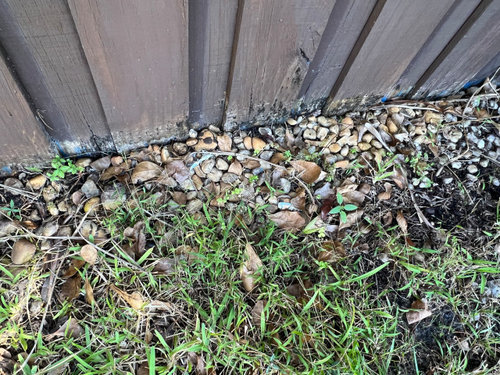
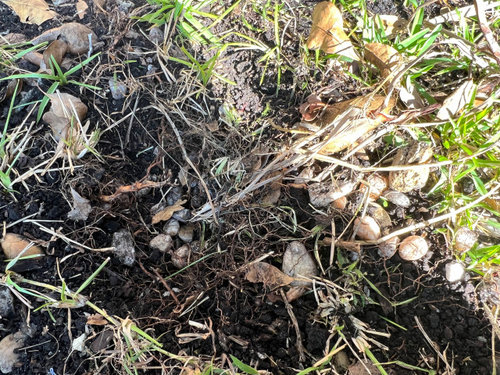
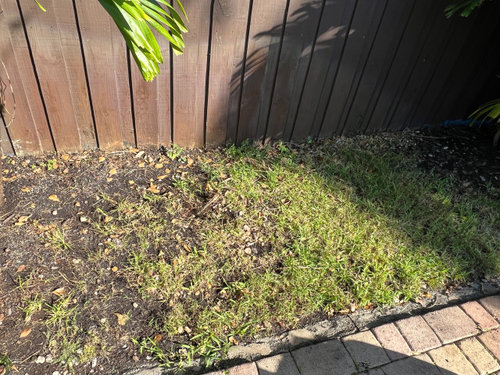
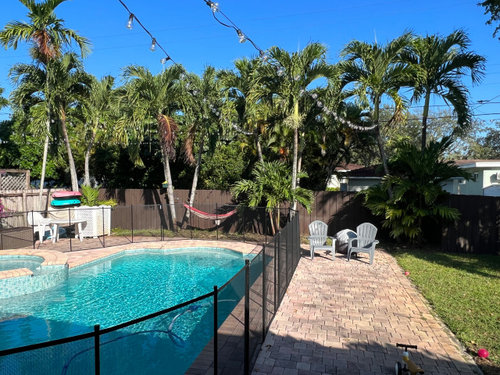
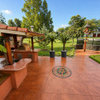
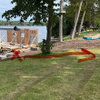
Hi! Newbie to landscaping and gardening here. I live in Miami, FL and I want to work on transforming our yard with native plants. I'm tackling a section at a time and my first project is the section on the perimeter of my lot, next to my pool (pictures attached). I was going to start by tacking samples of the soil to send to UF for testing, but when I started to dig I realized there were layers of rocks embedded in the soil. It seems the previous owners added a layer of decorative rocks that have sunken down into the ground over time. Need some advice on how to clear all of it out for my project; I can't see how anything would be able to grow in those conditions. I did a little googling and I think maybe a rototiller my come in handy? Help!? Please :)


Comments (14)

  • 3 years ago

    I agree with above. I had an area with old gravel that had accumulated a lot of dirt but gravel wasn’t too deep , was to blended to remove easily so I just mixed in more soil & compost and spaded by hand- grew wonderful plants.
    One of your photos shows maybe larger river rock or a bit larger on surface so if it’s easy to scoop those off you might do so, especially if it blocks spade action or there is a pocket of pure rocks, but the point is that having some rocked especially gravelly ones mixed in usually isn’t a problem. Hopefully the previous rock - users only put down a thin layer.
    The spade test will help. If there’s so much rock or compaction you can’t dig, ( or landscape fabric as mentioned above) that’s a problem. But if the soil + rocks is loose and you can generally dig and add good soil & compost, then plant roots can find their way also.

  • 3 years ago

    I've found the best way to remove gravel is with a hoe onto a tarp or cardboard. That said, you won't get it all and I would not bother if I had as little as you have.

  • 3 years ago
    last modified: 3 years ago

    You're going to have to use a suitable herbicide to get rid of all that grass anytime soon. Ask at an independent garden center for assistance with product selection.

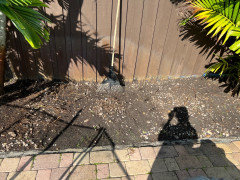
    The piling up of material has also resulted in the rotting of the bottom ends of the fence boards. Something will need to be done about this before the bed is filled with new plants that will be in the way of the fence work. Also the level of the top of the bed will have to be lowered just to preserve the fence.

  • 3 years ago

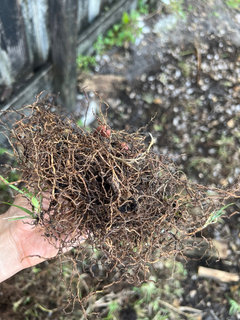
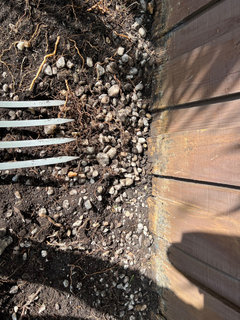
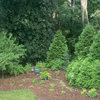
    Progress pic from this morning. Just worked on one section…what a workout! I unearthed a ton of rocks. Should I continue removing until more of the fence is exposed? I do see it’s starting to rot. I will be adding about 2in of compost as well after all this lifting. Also ran into a ton of roots…not sure if it’s from the grass or the Areca palm trees (picture included). Should I apply herbicide on the other sections to get rid of the grass too, before starting up again? So many questionssss >.<

  • 3 years ago

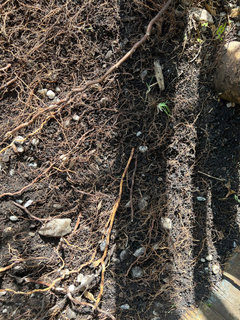
    Another close up of my rocky situation:

  • 3 years ago

    I would dig a hole 8-12 inches and make sure there isn’t any ancient weed barrier buried underneath everything.

    tj

  • 3 years ago

    And the roots I’m facing:

  • 3 years ago
    last modified: 3 years ago

    What I was talking about was spraying without digging first. And digging just to get the bed level below the bottom of the fence - adding compost would temporarily raise the height of the bed, which is going in the wrong direction. Also as a general practice it is undesirable to dig amendments into soils to be used for anything other than short term plantings like flowering annuals or annual vegetables. (For all other types apply organic material to bed surfaces after planting, as nature does via the falling of spent plant parts to the soil surface ). And if you are planning to install local natives, presumably these will be adapted to unmodified local soils. With the coloration of the existing soil implying it already has a high organic content - maybe too high.

    As you are noticing another problem with trying to dig the grass out is you are conflicting with roots of existing plantings in doing so. Of course, you will run into those when lowering the grade. But at least when doing that you can cut the root layer away by coming in from the side with a spade. Instead of poking and tearing with a fork.

  • 3 years ago

    Gotcha. You’re right. I misread online and the compost was more for vegetable gardens. I’ll look into applying herbicide on the other areas first, before digging. To be continued! Thanks all!

  • 3 years ago

    I'd dig in any soil amendments. If you amend the soil by waiting for the surface amendment to improve the soil then you shouldn't do any planting for the 5 or 10 years that'll take.


    After you amend the soil and plant, then add some mulch on the surface. for appearance and further soil improvement. You can spend a lot of money buying plants. You want them growing in a suitable environment from the day you plant.

  • 3 years ago

    If thats your fence I would look to trim off the bottom of that fence before it rots too much and also that you can raise the soil level safely.

  • 3 years ago

    It’s not going to be a simple matter of “ lowering the grade” of the bed and then only using soil and planting that will keep it lowered To get substantially lower, you’d be planting in a ditch, and havd try with drainage, and because you need to add mulch yearly or so, still always fighting the fence contact.

    So that begs the question, should anything at all be planted in ground by this fence? If it were an arid climate, you might get away with going back to gravel and xeriscaping.

    It is possible to install barrier - type edging but it’s not perfect rot/ proofing, would have to be high enough & still there may be issues of how fence and ground interact in your area. But idea would be grade next to fence is made low & more air movement, and soil in front is higher.

    Might need to consider large planters or some other modification, if staying with a
    wood fence. Is fence cedar or treated pine or similar rot- resistant ( not rot- proof) material?

  • 3 years ago

    I dislike the use of small rock mulch, good on you getting much of it raked out. I have areas of rocky soil and flip out and remove as many as possible.