

Condensation after re-roofing
3 years ago
Featured Answer
Sort by:Oldest
Comments (13)
 PRO3 years ago
- 3 years ago
Related Professionals
North Adams Home Remodeling · Edison Home Remodeling · Rock Hill General Contractors · Longview General Contractors · Pueblo General Contractors · California Bathroom Remodelers · Clarksville Bathroom Remodelers · Peoria Bathroom Remodelers · Somerset Home Remodeling · Lake Havasu City Home Remodeling · Bloomington Interior Designers & Decorators · Enfield Interior Designers & Decorators · Mountain Home Architects & Building Designers · Show Low Architects & Building Designers · Amarillo Kitchen & Bathroom Designers- 3 years ago
- 3 years ago
- 3 years ago
- 3 years ago
 PRO3 years ago
 PRO3 years ago
- PRO3 years ago
 PRO3 years agolast modified: 3 years ago

Related Stories
EXTERIORSRoofing Materials: Slate Makes for Fireproof Roofs That Last
It stands up to weather and fire without losing its high-end look. But can your budget handle it?
Full Story
URBAN GARDENSPatio of the Week: Beautiful Roof Terrace for Gathering
A landscape designer helps a retired couple transform their large rooftop into a gorgeous multifunctional retreat
Full Story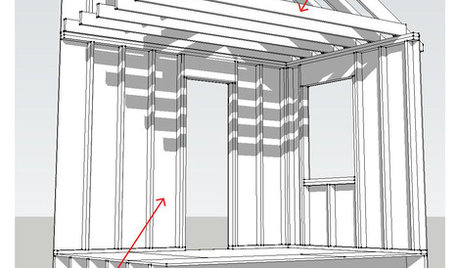
KNOW YOUR HOUSEKnow Your House: Components of a Roof
Don't get held up by confusion over trusses, rafters and purlins. Learn about a roof's features and their purposes here
Full Story
HOUZZ TVSee How 2 Families Make Life Work Under 1 Roof
Sisters and their husbands hire a kitchen designer and remodel a New York dream home for a shared life
Full Story
EXTERIORSBefore and After: 5 Welcoming Exterior Makeovers
Get inspired to boost your home’s curb appeal with these recently upgraded exteriors
Full Story
MOST POPULARHow to Create an Inventory, Whether You're Naturally Organized or Not
Documenting your home items is essential, even if disaster seems unimaginable. And it may be easier than you think
Full Story
DISASTER PREP & RECOVERYRemodeling After Water Damage: Tips From a Homeowner Who Did It
Learn the crucial steps and coping mechanisms that can help when flooding strikes your home
Full Story
GREEN BUILDING6 Green-Roof Myths, Busted
Leaky, costly, a pain to maintain ... nope, nope and nope. Get the truth about living roofs and see examples from simple to elaborate
Full Story
LANDSCAPE DESIGNBefore and After: 4 Pool Additions for Fun and Relaxation
Spectacular backyard setups for swimming and more offer ideas for yards big and small
Full Story0

LANDSCAPE DESIGNBefore and After: 4 Outdoor Makeovers With Standout Pergolas
Design and building professionals, including one found on Houzz, turn lackluster outdoor areas into eye-catching spaces
Full Story

Windows on Washington Ltd