

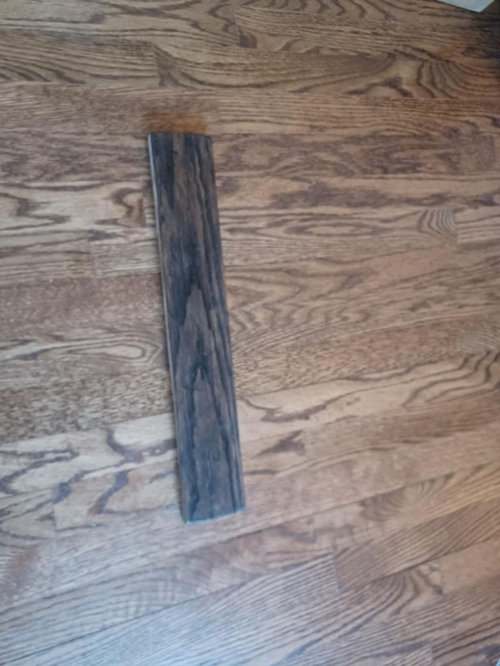
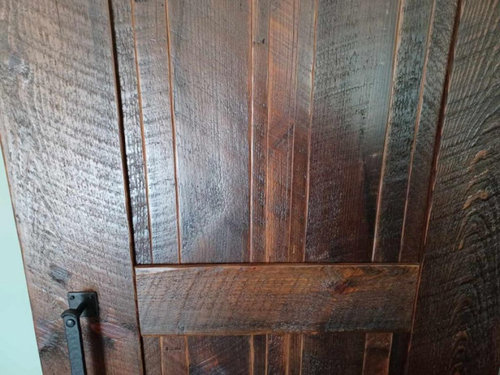
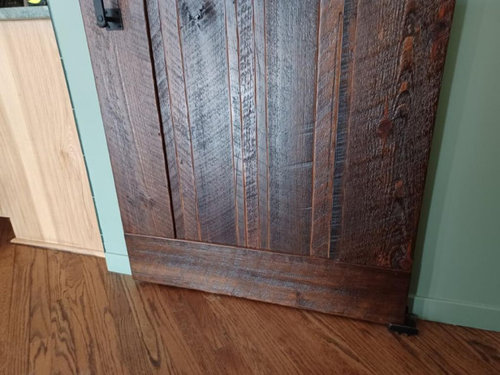
Old Masters gel stain
3 years ago
last modified: 3 years ago
Featured Answer
Sort by:Oldest
Comments (9)
Related Professionals
Charlottesville Cabinets & Cabinetry · Fall River Cabinets & Cabinetry · Santa Maria Carpenters · Greenfield Flooring Contractors · Augusta Flooring Contractors · Jamestown Tile and Stone Contractors · Concord Tile and Stone Contractors · Springfield Kitchen Remodelers · Anniston Kitchen Remodelers · Hackettstown Kitchen Remodelers · Newport News Interior Designers & Decorators · Lewiston Interior Designers & Decorators · Newport News Architects & Building Designers · Elgin Architects & Building Designers · Duluth Kitchen & Bathroom Designers 3 years ago
- 3 years ago
- 3 years ago

Related Stories
HOUZZ TOURSMy Houzz: Old-World European Flair in Oregon
Custom woodwork, stained glass and Arts and Crafts touches create warm, earthy interiors in a ranch-style home
Full Story
HOUSEKEEPINGHow to Clean Grout — Stains and All
If your grout is grossing you out, this deep-cleaning method will help it look new again
Full Story
DECORATING PROJECTSWhat to Do With Old Family Photos
Find out how to research, share and preserve images that offer a connection to the past
Full Story
KITCHEN DESIGNModernize Your Old Kitchen Without Remodeling
Keep the charm but lose the outdated feel, and gain functionality, with these tricks for helping your older kitchen fit modern times
Full Story
MOST POPULARHow to Reface Your Old Kitchen Cabinets
Find out what’s involved in updating your cabinets by refinishing or replacing doors and drawers
Full Story
REMODELING GUIDESThe Hidden Problems in Old Houses
Before snatching up an old home, get to know what you’re in for by understanding the potential horrors that lurk below the surface
Full Story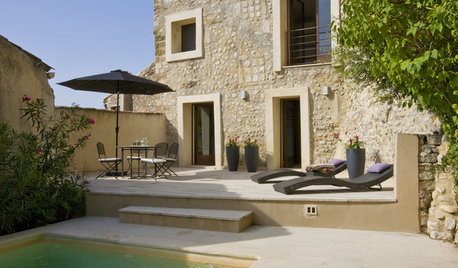
MODERN HOMESHouzz Tour: 800-Year-Old Walls, Modern Interiors in Provence
Old architecture and new additions mix beautifully in a luxurious renovated vacation home
Full Story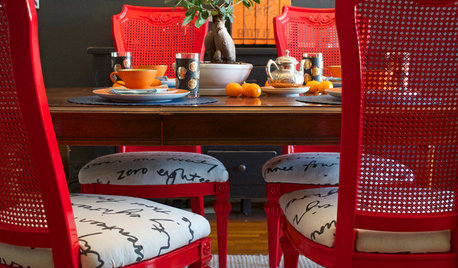
DIY PROJECTSDining Set Makeover: Paint and Tea-Tinted Fabric Make Old Chairs New
Reclaim dated dining chairs for far less than buying new, using spray paint, modern fabric and a handful of tea bags
Full Story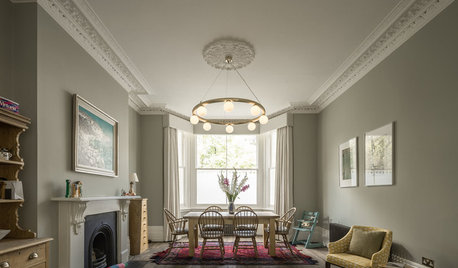
HOMES AROUND THE WORLDHouzz Tour: Light Shines on a Centuries-Old London Home
Old meets new in this striking family home, where 19th-century features combine with dramatic windows and inspired details
Full Story
HOUZZ TOURSMy Houzz: Old-World Charm With a Modern-Love Twist
Heritage pieces combine with custom touches — and one great story — in a Canadian family's 'forever' house
Full Story

annettea