Software
Houzz Logo Print
technodiabla

antique floors-- what to do with them?

3 years ago
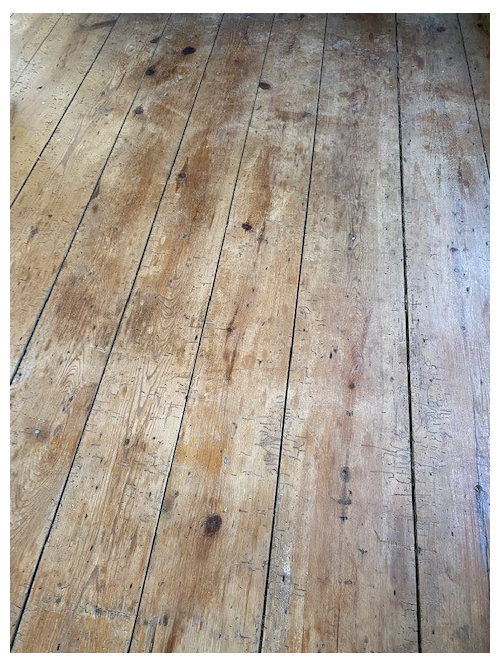
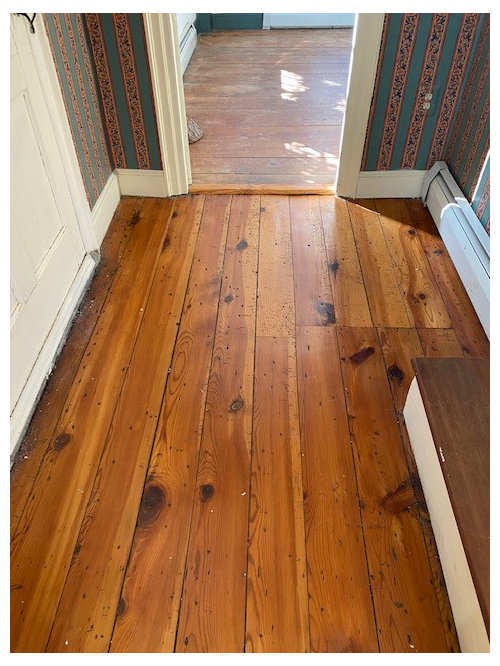
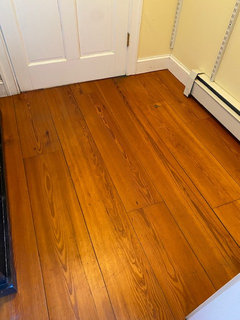
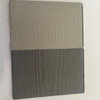
We recently purchased a 1760s home with a large 1999 addition. The 1760 wing has the original hardwood floors. Possibly pine. There are three rooms where the flooring appears to have never been finished (see pic). It's dry and needs some attention to bring it back to life. I was reading about screening and oiling. Is this the right thing? The delimma is that two rooms in the old wing have been finished. I think it's the same wood, but I'm not positive and I can't tell what the finish or treatment is. They look fantastic (pic). I would lilke them to all match but I don't know if they were coasted in poly, stained, or what? Any guesses at what I have and what to do next much appreciated. (P.S. We are happy to explore even fairly sophisticated DIY projects here, but also willing to bring in a contractor if necessary).


Comments (13)

  • 3 years ago

    P.S. the newer wing has engineered wood flooring (i don't know what species). Pic here. Any guesses.


  • PRO
    3 years ago

    Get a floor refinisher in to help. They will probably know what type of floor and also the type of finish on the ones you like. I think this is agreat idea to keep those and redo them.

  • PRO
    3 years ago

    Refinish with clear oil base poly in satin to match the photo, no stain.

  • 3 years ago

    They do look like pine but that old it's a guess at best. Where do you live? What was a common plentiful tree in your area back in 1760? That is what they most likely are. I would be looking for wall to wall carpet if it were my home. There is no way that floor will ever match the 90s addition.

  • PRO
    3 years ago

    Would recommend sanding and refinishing with a polyurethane made for use on floors. There's no way to get your new engineered wood flooring to match. When I worked in historic preservation architecture I learned that it is usually better to have a clear distinction between original and additions that to try to cover it up. Good luck!

  • 3 years ago

    What part of the countey do you live in? I would educate yourself by getting quotes from 3 different floor restoration contractors. Not floor refinishers who will blow through and treat your centuries old floors like any other hardwood, but professionals who deal in restoration. You will learn from each one more info about the kind of wood and approaches to treating it. In the end you may DIY it or decide to hire a pro.


    I lived in an 1852 home with floors that looked much like yours. They were heart pine. Mine were nowhere nearly as good condition as yours. You have a true treasure.


    @arcy_gw I do hope you are joking about wall to wall carpeting.

  • 3 years ago

    Talk to rebuttable restoration companies NOT Flooring refinishers. They can look at the flooring you like and see if they can duplicate it. They look like heart pine. They will also have resources if any needs replacing.

  • 3 years ago

    the home is in western Massachusetts. To be clear, I am not trying to match the old floors to the new engineered hardwood. I want the old unfinished floors to match the old floors that someone already finished. I will reach out to a restoration company. (And definitely no carpet. Some of these original floors upstairs are already carpeted over and they appear to be painted as well-- but upstairs is another project altogether.)

  • 3 years ago

    restoration company #1 says we can finish the old unfinished floors in oil-based poly but they will be much lighter than the ones that have been oxidizing for many decades. We could stain to match but I can't bring myself to put stain on 260 year old floors. We are considering stripping the poly off the finished floor and redoing tham all with new oil based poly. Any thoughts? Seems to me the key is minimal sanding-- definitely want o keep the character intact.

  • PRO
    3 years ago

    For instant gratification, refinishing all the floors and applying the same finish will make it match. If, you have the patience, refinish the old floors and use Poloplaz Primero satin. This oil base poly color changes pretty fast within a year. Heart pine floors are common in the Boston area, especially Charlestown.


    You do want to get a grade A company to do the job. The flooring needs a grade A sanding job for high end results. Otherwise, you will end up with drum lines and waves everywhere. Heartpine is a sappy wood, it clogs paper up like there is no tomorrow.

  • 3 years ago

    We decided what we want is to keep as much of the characters and flaws but restore and protect the wood (it's very dry) and get some color and life back into it. We're planning to DIY screen the old poly off the finished floors, lightly hand sand the unfinshed floors, thoroughly clean both and then apply a few coats of oil. Linseed or tung? We aren't sure yet. The colors will probably not match exactly, at least at first, but the finish should look similar at least. We'll try it out inside a closet before diving in feet first. I would be thrilled to find a professional to do this as described but we have not been able to find anyone. Everyone wants to sand and poly, and even stain. If anyone can recommend someone in Western Mass I'd be interested.

  • 3 years ago

    Beautiful floors, in all likelihood they are white pine. Personally I would go the light sanding/sealing route. I used boiled linseed to seal my old floors but I also had a light milk paint wash. Head to head on unpainted wood, I think tung oil is more durable. Beware however about used oil rag storage - I had just a couple of rags in a bag to be washed/neutralized and they started to combust after maybe an hour. I agree that if you plan to have them professionally refinished, you must get somebody experienced with refinishing 200+ year old floors.