

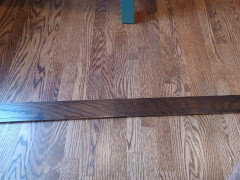
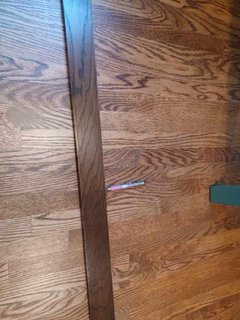
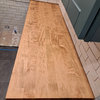
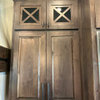
Why would stain color look different on the same board?
3 years ago
Featured Answer
Sort by:Oldest
Comments (10)
 PRO3 years ago
Related Professionals
Lynchburg Cabinets & Cabinetry · San Francisco Cabinets & Cabinetry · Enid Flooring Contractors · Kalamazoo Flooring Contractors · Alexandria Flooring Contractors · Nashua Flooring Contractors · Napa Flooring Contractors · El Paso Flooring Contractors · Mountain Home Interior Designers & Decorators · Jacksonville Interior Designers & Decorators · Savannah Interior Designers & Decorators · Spring Bathroom Remodelers · Mansfield Bathroom Remodelers · Brunswick Kitchen & Bathroom Designers · Toms River Kitchen & Bathroom Designers 3 years ago
- 3 years agolast modified: 3 years ago
- 3 years ago
- 3 years ago
- 3 years ago
 3 years ago
- 3 years ago
- 3 years ago
Related Stories
HOUSEKEEPINGDon't Touch Another Stain Before You Read This
Even an innocent swipe with water may cause permanent damage. Here's what to know about how rugs and fabrics react
Full Story
KITCHEN CABINETSPainted vs. Stained Kitchen Cabinets
Wondering whether to go for natural wood or a painted finish for your cabinets? These pros and cons can help
Full Story
TILEEpoxy vs. Cement Grout — What's the Difference?
Grout is grout, right? Nope. Cement and epoxy versions have different appearances, durability and rules of installation
Full Story
HOUSEKEEPINGHow to Clean Your Cutting Boards
Learn the best techniques for cleaning and sanitizing wood and plastic cutting boards
Full Story
LANDSCAPE DESIGNHow to Make Your Painted or Stained House Feel at Home in the Landscape
Use color and texture to create a pleasing connection between your house and garden
Full Story
DECORATING GUIDESColor Your Home's View With Stained Glass
Interiors get an enchanting perspective with stained glass windows, doors and fixtures that dapple the light
Full Story
PRODUCT PICKSGuest Picks: Chop Chop! 20 Cutting Boards Too Good to Miss
Any way you slice it, these cutting boards, chopping blocks and serving boards are both artful and practical
Full Story
HOUZZ CALLShow Us Your Board Game Collection (and Where You Keep It)!
We want to see how you store your games at home, whether they’re stuffed in closets or displayed on shelves
Full Story
KITCHEN CABINETSKitchen Cabinet Color: Should You Paint or Stain?
Learn about durability, looks, cost and more for wooden cabinet finishes to make the right choice for your kitchen
Full Story
KITCHEN COUNTERTOPSWhat’s the Difference Between Quartzite and Quartz Countertops?
Weigh the pros and cons of these popular kitchen countertop materials
Full Story

cat_ky