Software
Houzz Logo Print
getgoing100_7b_nj

Long blooming fragrant perennial

It could be a vine or a shrub, hardy or not (I can take it in and give it light for the winter months. I have killed many a gardenia but the last one was thriving until it was left unattended in a sunny window this winter and died of dehydration. So, any long blooming/reblooming gardenias? Also, lilacs, fragrant honeysuckles that rebloom. I had a harlequin honeysuckle which was supposed to rebloom but never did. It died this winter. Jasmine grandiflora and sambac are pretty stingy in terms of blooming frequency in my location both indoors and outside. Are there any fragrant long blooming clematis?

Comments (11)

  • 3 years ago
    last modified: 3 years ago

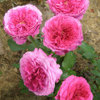
    Have you tried a small variety of Rose?

    getgoing100_7b_nj thanked CA Kate z9
  • 3 years ago
    last modified: 3 years ago

    Salvia greggii - months of continual colour and a delicious, spicy fragrance. One of my stand-by plants. Not hotlips though - huge, not very fragrant and ubiquitous - there are much better varieties.Pretty much available in all colours too, apart from golden yellow. Just about all mine are in pots too. And resilient for balcony life.

    I also like coronilla but will need winter protection (mine was a goner this year)...and in yellow.

    getgoing100_7b_nj thanked rosaprimula UK (Cambridge) Z8/9
  • 3 years ago

    Trachelospermum jasminoides?

    getgoing100_7b_nj thanked floral_uk z.8/9 SW UK
  • 3 years ago

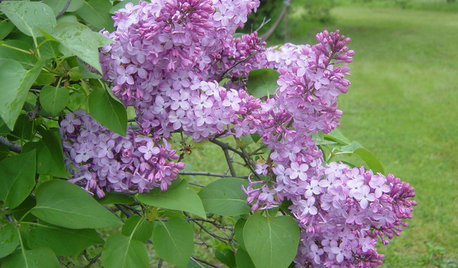
    Proven Winners have a reblooming lilac variety.

    getgoing100_7b_nj thanked mazerolm_3a
  • 3 years ago

    @floral_uk z.8/9 SW UKI have killed a couple of Trachelospermum jasminoides and they weren't particularly vigorous, floriferous or fragrant. Perhaps, I should give it another go. @rosaprimula, I will be looking up the salvia. Ditto for fragrant roses. It is just so much harder to find anything fragrant at the garden centers. @mazerolm_3a, I am looking at some lilacs already.

  • 3 years ago
    last modified: 3 years ago

    The shrubby salvias have been having a renaissance lately. Used to be known as autumn sage and mostly came in one or 2 shades of red or deep pink - my oldest is an ancient microphylla neurepia but in the last couple of decades, there have been literally dozens (hundreds) of cultivars appearing in garden centres. Look for s.microphylla, s.greggii and a hybrid of both (I think) s x jamensis. Most now bloom from May till November although they really put on a late summer showing, and can be had in nearly all colours and sizes, from teeny 30cm shrubs to a hefty 2metres+. I seem to recall a set called the 'mirage' cultivars although I have a fondness for 'Icing Sugar', 'Nachtvlinder' and a number of jamensis varieties in lovely peach and coral colours. Some great blues and purples including another hybrid 'Christine Yeo', 'Violin Music, ';Blue Note', 'LaLuna' 'Phyllis Fancy'and a lovely pastel 'Stormy Pink'...but you really shouldn't struggle to find some suitable contenders.

  • 3 years ago

    Funny how scent is so subjective. I have grown any number of these shrubby salvias over the years and I can't say as I've ever noticed a particular fragrance from them, pleasant or otherwise. At least nothing that would draw my attention to them unless I stuck my nose into the center of the plant. Not a perennial I would ever think of recommending for a strong fragrance.

  • 3 years ago

    rosaprimula what particular type of container soil do the Salvias enjoy? Thank you.

  • 3 years ago

    O that's a shame. The fragrance of sun-warmed sage is so redolent of summer evenings...not unlike honeysuckles or greenhouse tomatoes. There are so many ways to experience fragrance though, from those fugitive scents when you walk past a certain corner, or plants which hoard their aromatics, only releasing their bouquet when brushed or even squeezed.. such as salvias or scented leaved pelargoniums (as with other aromatic herbs). Balcony gardening has its own challenges - fragrances need to be marshalled and contained - a sheltered brick courtyard will more easily contain and concentrate floral perfumes than an exposed or even windy balcony, so plants which profligately scent the air like jasmine, may be less effective than those shy fragrances which do indeed demand our effort. And so well worth it when we do because our noses can be a direct route into memory and emotion.


  • 3 years ago

    Um, I have done a separate post regarding soil, Cadence, because this can be a fraught subject. We have different products in the UK, so the particular loam-based mixes I prefer may not have a corresponding product in the US, and we are not always on the same page regarding differences in planting practices and potting mixes. I would suggest you direct your question over on soil and compost forum, where you will find details of a particularly popular mix.

    With caveats though, this is how I keep salvias in pots. I usually use a proportion of topsoil, peat and nutrients based on a recommended recipe from the John Innes research unit. For long-term plantings, I use John Innes 3 (which is higher in nutrients than JI 1 and 2). I prefer to use a mineral based soil (for nutrient and gas exchanges) with amendments to improve drainage and structure. ..which is not always consistent and depends what comes to hand. A typical mix for salvia would be 2/3rds J.I.3, 1/3 horticultural grit, perlite, hydroleca...with an equal volume of vermiculite (up to 1/3) to help with moisture holding if required. I sometimes 'lighten' the potting mix with the addition of multi-purpose compost (often coir or peat based...although peat will not be available to home gardeners after this year. .


    As I use what amounts to sterilised topsoil for a base, and can often re-use the soil mix (from potted annuals, for example). I am not very prescriptive about amendments, as long as the plants needs (for food, light, water and anchorage) are met.


    I do repot my plants (but never as often as I probably should) although I do replace the top coupla inches of potting mix with a fresh topdressing of new soil every year, and either use a long-term slow-release fertilser such as Osmocote, or a very dilute liquid feed in the daily watering. Plants are resilient and adaptable and quick to show their displeasure...so the best thing we can do for our plants is to observe them daily and make use of the experience of fellow gardeners.