Software
Houzz Logo Print
susan_johnston17

identification needed ASAP!

3 years ago
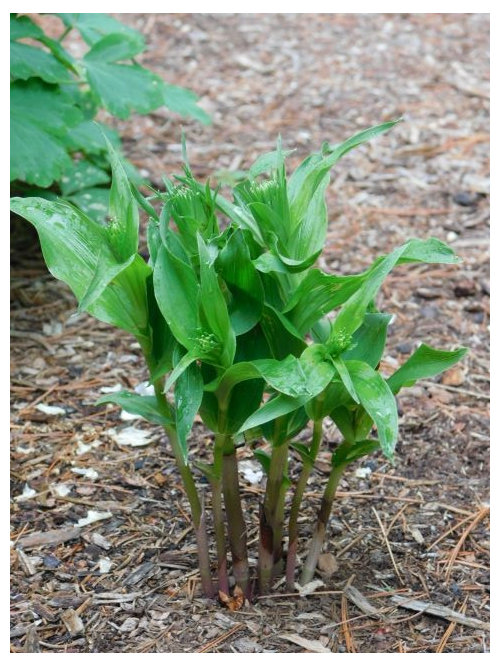
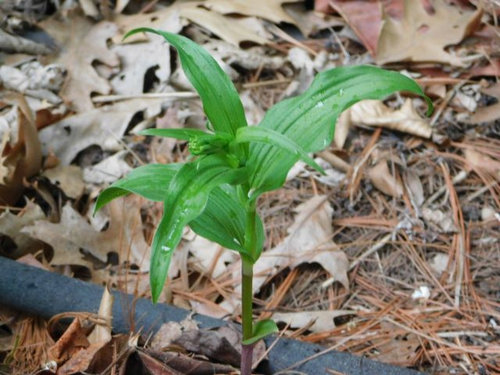
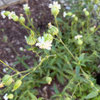
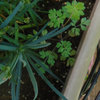
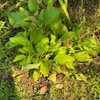
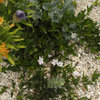
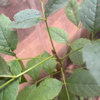
Are these False Hellebore (Veratrum viride) or Terestriall orchids (Epipactis helleborine) or something else? They appeared in the garden on their own and we just noticed them the other day. A neighbour thinks they are probably False Hellebore but the helleborine also looks possible. The first is known to be very poisonous and the second attracts wasps to pollinate it. So we are likely to remove them in either case. So, unless it is something benign, they will get evicted! And we will know to watch out for them to reappear...!


Comments (15)

  • 3 years ago

    Epipactis.

  • 3 years ago

    Seconded.

  • 3 years ago

    Hmmm - that was my guess too! I noticed in the first picture that the stems are coming up in a straight line like they might be coming up along a rhizome. We will make sure that, when we dig them out, that we dig a big enough hole to get all, or as much as possible, of the rhizome!

  • 3 years ago

    Just as a matter of curiosity.

    If it is Epipactis helleborine, which, as you say is pollinated by wasps, why get rid of it?

    Yes, wasps can sting, but so do many other insects, and they only do so if they feel threatened.

    If one of your family is allergic to them, then I can understand the concern. If not, then what is the issue?

  • 3 years ago

    Sadly, although it is a relatively rare and much loved native over here, it is a non native weed, and is even listed as an invasive species, in parts of the US. I just wish it thrived here as well as it does there.

  • 3 years ago

    While I am not officially allergic to wasps, they are not uncommon around here and a few years ago a nest was made on the back porch. One of the wasps stung me and it HURT- for days… It’s not an experience I - or anyone else in the family - want to repeat! So leaving an uninvited plant known to attract wasps plus one known to vigorously spread is not appealing to me!

  • 3 years ago
    last modified: 3 years ago

    Thank you.

    I understand and appreciate where you are coming from, woodyoak.

  • PRO
    3 years ago

    Broad-leaved helleborine

  • 3 years ago

    Epipactis helleborine is the same thing as broad-leafed helleborine. They sound like problem spreaders that are are hard to get rid of *sigh*

  • 3 years ago

    They aren't invasive and they're an orchid in your yard. Why try to get rid of them?

  • 3 years ago

    I find a lot of info like this from the Michigan State University that talks about their invasiveness. I found it interesting that they said the seeds are so small and dusty that they can blow in/spread on the wind. I think they'd be more a problem in the garden than in a lawn - MSU recommend chemicals as controls but I think regular mowing of the lawn would be sufficient. However the fleshy roots/rhizome and the seeds arriving on the wind would be a problem re controlling them in a garden bed. And that's where they have appeared here.... Orchid or not - I don't need more self-seeders/spreaders in the garden here. I have enough already to cope with!

  • 3 years ago

    AARGH! I just wrote a post - and it disappeared....! Trying again....


    sah67 and others with experience with these plants - We are now in our late 60s with increasing physical limitations, so I am trying to think of an efficient way to control these plants with the least amount of physical effort by us... Currently brunnera is our worst spreading reseeder. BUT it is short, has attractive foliage after the flowers finish, and grows well with other perennials and shrubs and trees. The helleborines don't seem to meet this profile... No-bare-ground is a basic operating philosophy here as pesty weed and other seeds tend to germinate better on bare ground. So we dig out any brunnera seedlings that appear on paths (bare ground other than bark mulch applied every 3 years or so) and leave the rest alone.


    If you look at the pictures I posted at the beginning of the thread, the first one has multiple stems in a fairly straight line (arising from a fleshy root...?) and is growing on the bare-ground of a path; the second picture shows a stem in a bed where it has to compete with other plants for space to germinate and grow. So... I am considering a modification of our approach to controlling brunera - i.e. dig out any helleborines that appear on a path but cut back to ground level (repeatedly if necessary) any that appear in a bed once they get 6" tall or so. By not letting them flower and set seed and reducing their ability to feed those fleshy roots, I'd hope to limit their ability to take over the garden while minimizing the physical effort required by us. Do you think that would work for us?

  • 3 years ago

    Hi woodyoak.

    Basic plan is good, but why dig out any?

    They cannot survive without photosynthesis.

    What I did in Australia, with a real problem weed, Onion Grass.

    As soon as you know what is popping up, (the sooner the better) cut to ground level, or lower then cover with anything to stop the new growth from gettin to tthe light. What I used were aluminium pie dishes. For this you would need something a bit stronger.

    In the beds you could use plant pots, without drain holes. On the open ground, dig a quick trench around it so that an inverted metal roasting dish will sat flat to the ground and stick a rock on it.

    Repeat as and when.

  • 3 years ago

    Interesting thefof - the metal pan would be a hazard for me to walk on/around on a path so digging probably works better for now in that sort of location. I don’t have plant pots without drainage holes but I understand your concept so I’ll see what I have that works for the beds. I suspect I might still try digging there too to at least reduce the volume of root material before trying to cover it.


    Thanks for those ideas.