

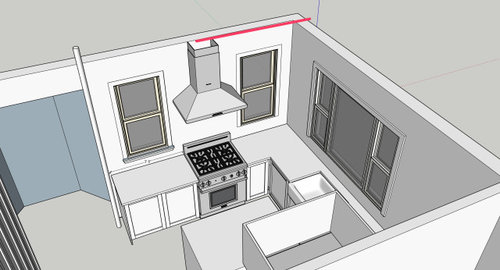
Ventilation Advice
3 years ago
Sort by:Oldest
Comments (5)
Related Stories
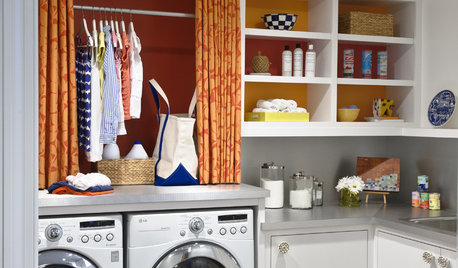
REMODELING GUIDESContractor Tips: Advice for Laundry Room Design
Thinking ahead when installing or moving a washer and dryer can prevent frustration and damage down the road
Full Story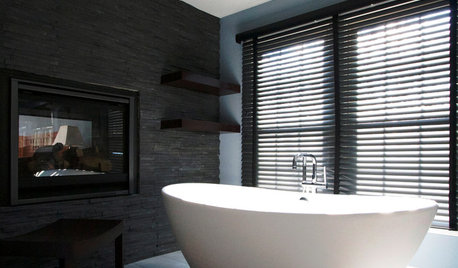
BATHROOM DESIGNDreaming of a Spa Tub at Home? Read This Pro Advice First
Before you float away on visions of jets and bubbles and the steamiest water around, consider these very real spa tub issues
Full Story
ARCHITECTUREStilt Houses: 10 Reasons to Get Your House Off the Ground
Here are 10 homes that raise the stakes, plus advice on when you might want to do the same
Full Story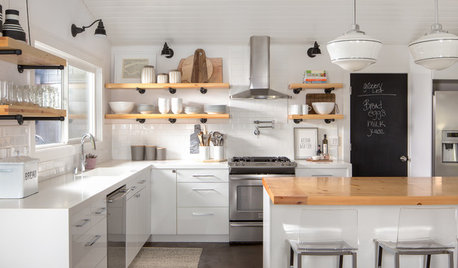
KITCHEN CABINETSWhy I Combined Open Shelves and Cabinets in My Kitchen Remodel
A designer and her builder husband opt for two styles of storage. She offers advice, how-tos and cost info
Full Story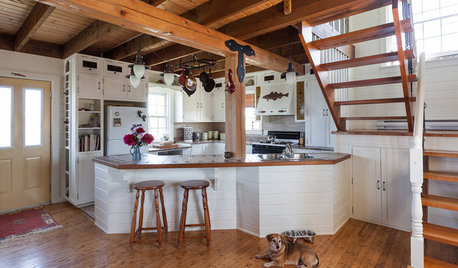
KITCHEN DESIGNOpen vs. Closed Kitchens — Which Style Works Best for You?
Get the kitchen layout that's right for you with this advice from 3 experts
Full Story
LAUNDRY ROOMSCommon Laundry Room Mistakes and How to Avoid Them
Follow this expert advice for a laundry area that works hard and looks great
Full Story
FEEL-GOOD HOMEThe Pros and Cons of Making Your Bed Every Day
Houzz readers around the world share their preferences, while sleep and housekeeping experts weigh in with advice
Full Story
FARM YOUR YARDShe Built a Chicken Coop and Was Surprised by What Happened Next
A Southern California homeowner and animal lover shares her building tips and advice on raising happy backyard hens
Full Story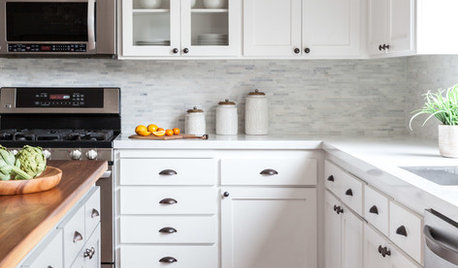
KITCHEN CABINETSHow to Update Your Kitchen Cabinets With Paint
A pro gives advice on when and how to paint your cabinets. Get the step-by-step
Full Story
KITCHEN DESIGNHow to Choose the Right Hood Fan for Your Kitchen
Keep your kitchen clean and your home's air fresh by understanding all the options for ventilating via a hood fan
Full Story
gardengrl66 z5
dan1888
Related Professionals
West Palm Beach Kitchen & Bathroom Designers · Annapolis Kitchen & Bathroom Designers · Clarksdale Kitchen & Bathroom Designers · Hempstead Kitchen & Bathroom Designers · Saint Marys Kitchen & Bathroom Designers · Farmington Kitchen & Bathroom Designers · York Kitchen & Bathroom Designers · Birmingham Bathroom Remodelers · Decatur Bathroom Remodelers · Cincinnati Bathroom Remodelers · Murfreesboro Bathroom Remodelers · Galveston Bathroom Remodelers · Kalispell Bathroom Remodelers · Yakima Kitchen Remodelers · Cowansville Kitchen Remodelerskaseki
Brian MoseleyOriginal Author
kaseki