

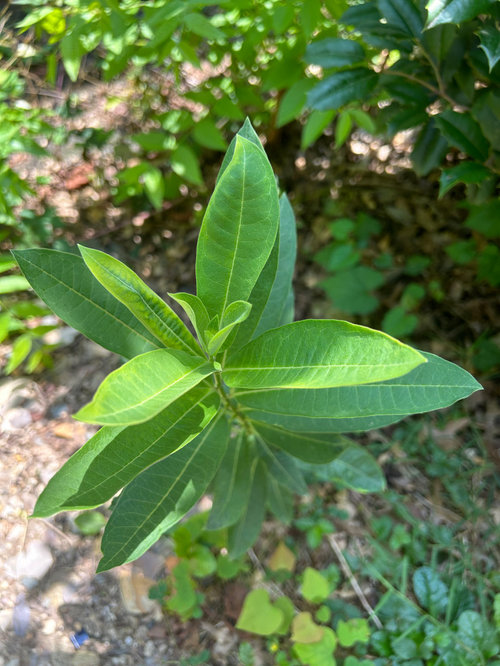
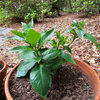
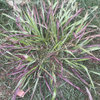
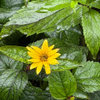
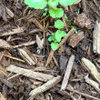
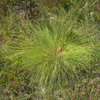
Is this milkweed?
3 years ago
Featured Answer
Sort by:Oldest
Comments (13)
 3 years ago
 3 years agolast modified: 3 years ago
Related Professionals
Vincennes Landscape Architects & Landscape Designers · Asheville Landscape Architects & Landscape Designers · Virginia Beach Landscape Architects & Landscape Designers · San Francisco Landscape Architects & Landscape Designers · Santa Maria Landscape Architects & Landscape Designers · Anchorage Landscape Architects & Landscape Designers · Edmonton Landscape Architects & Landscape Designers · Pittsburgh Landscape Contractors · Amherstburg Landscape Contractors · Kissimmee Stone, Pavers & Concrete · Madison Stone, Pavers & Concrete · DeRidder Stone, Pavers & Concrete · Springfield Stone, Pavers & Concrete · Hackettstown Stone, Pavers & Concrete · Wenatchee Stone, Pavers & Concrete 3 years ago
- 3 years agolast modified: 3 years ago
- 3 years agolast modified: 3 years ago
- 3 years ago
- 3 years agolast modified: 3 years ago
- 3 years ago
- 3 years ago
- 3 years ago
 3 years ago
- 3 years agolast modified: 3 years ago

Related Stories
GARDENING GUIDESGreat Design Plant: Milkweed
Quit cringing. This not-weed plant is a sight to behold in the garden, has a delicious vanilla scent and is a magnet for butterflies
Full Story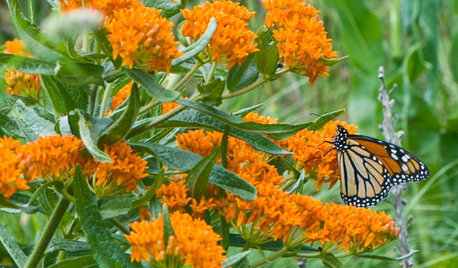
GARDENING GUIDESGreat Design Plant: Butterfly Milkweed, a Beacon in the Prairie
Vivacious orange flowers for you, nectar for the butterflies and bees. Asclepias tuberosa is worth planting for more reasons than one
Full Story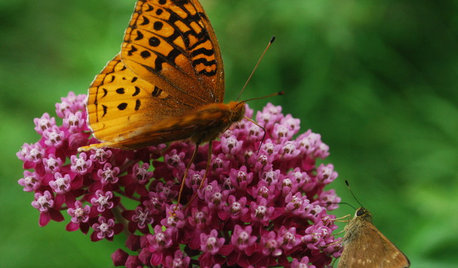
GARDENING GUIDESGreat Design Plant: Asclepias Incarnata for a Butterfly Garden
Beautiful swamp milkweed makes it easy to help monarchs and other pollinators in eastern U.S. gardens
Full Story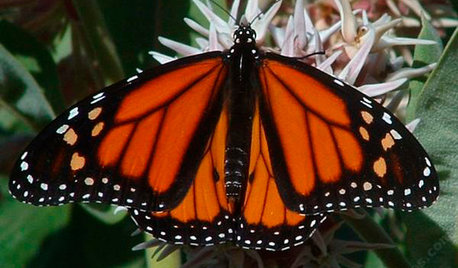
CALIFORNIA NATIVE PLANTSGreat Design Plant: Asclepias Is Attractive to Monarch Butterflies
Increase monarch butterfly populations in California by planting stunning native milkweeds
Full Story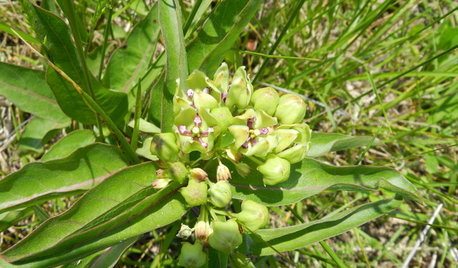
GARDENING GUIDESGreat Design Plant: Asclepias Viridis
Green antelopehorn is a milkweed that is short, drought-tolerant, not aggressive and a monarch favorite
Full Story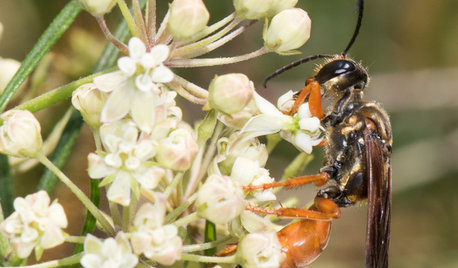
GARDENING GUIDESGreat Design Plant: Asclepias Verticillata
Plant whorled milkweed in dry central and eastern U.S. gardens to attract monarch butterflies and other insect pollinators
Full Story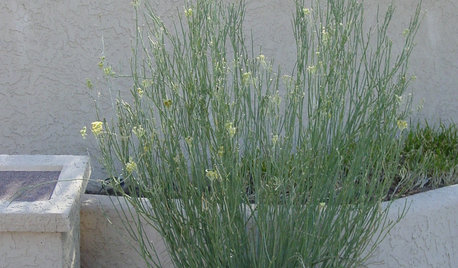
GARDENING GUIDESGreat Design Plant: Asclepias Subulata
With its attractive upright shape and yellow flowers, Southwest native rush milkweed adds beauty while attracting butterflies
Full Story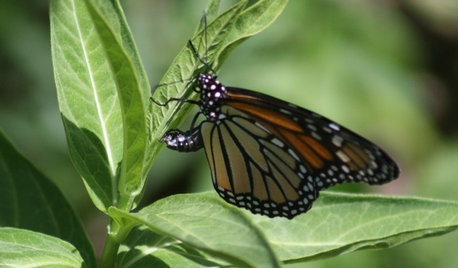
CENTRAL PLAINS GARDENINGCentral Plains Gardener's May Checklist
Set out flowering shrubs for spectacular blooms, get veggies going and roll out the milkweed mat for butterflies
Full Story
GARDENING GUIDESNortheast Gardener's November Checklist
Let titian foliage and berries, silky milkweed, late-blooming asters and more lure you out into the autumn garden
Full StoryGARDENING FOR BUTTERFLIESBe a Butterfly Savior — Garden for the Monarchs
Keep hope, beauty and kindness alive in the landscape by providing a refuge for these threatened enchanters
Full Story
cecily 7A