

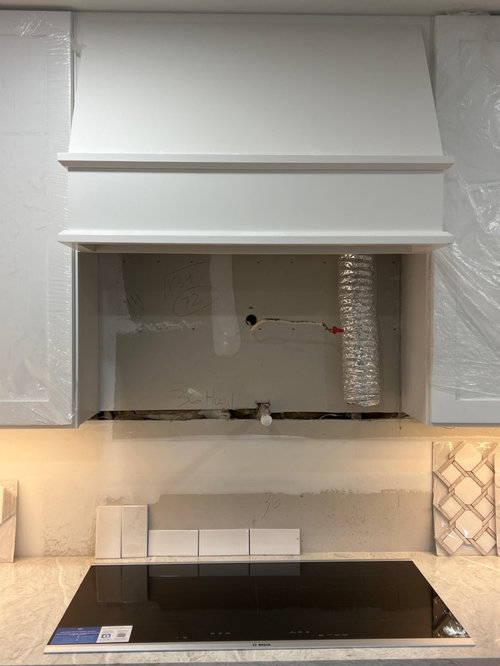
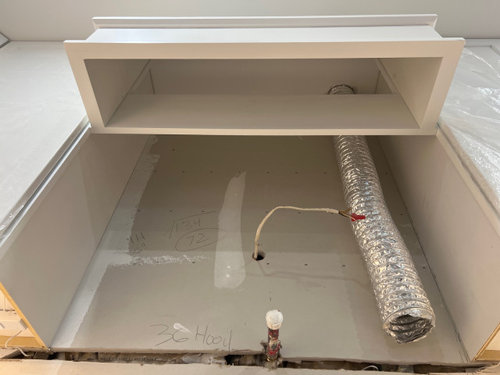
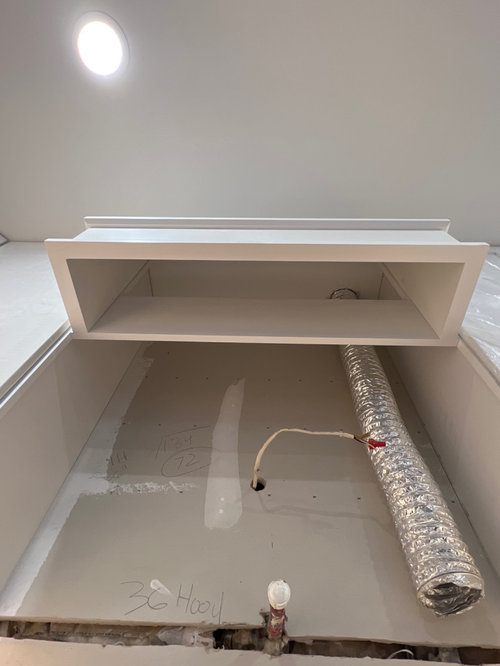
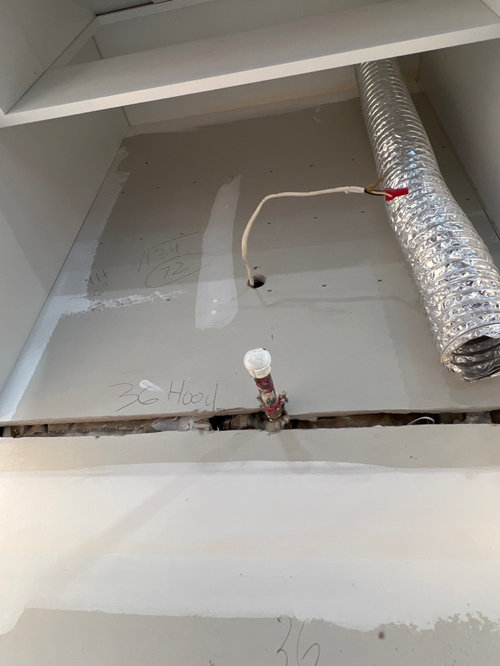
Hood help please!!
3 years ago
Featured Answer
Sort by:Oldest
Comments (9)
 PRO3 years ago
- 3 years ago
Related Professionals
Vancouver General Contractors · Houma Home Remodeling · Rutland Home Remodeling · Panama City Bathroom Remodelers · Pittsburg Bathroom Remodelers · Jamestown Bathroom Remodelers · Baltimore Kitchen & Bathroom Designers · Worcester Kitchen & Bathroom Designers · Green Bay Kitchen & Bathroom Designers · Eureka Kitchen & Bathroom Designers · Pensacola Kitchen Remodelers · Portsmouth Kitchen Remodelers · Oshkosh Kitchen Remodelers · North Adams Kitchen & Bathroom Designers · Spring Custom Countertops- 3 years agolast modified: 3 years ago
- 3 years ago
- 3 years ago
- 3 years ago
- 3 years ago
- 3 years agolast modified: 3 years ago

Related Stories
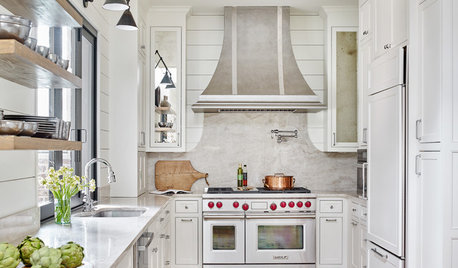
KITCHEN APPLIANCESHouzz Call: Show Us Your Creative Range Hood
Have you customized your kitchen’s range hood? Please tell us all about it
Full Story
GARDENING GUIDESGreat Design Plant: Ceanothus Pleases With Nectar and Fragrant Blooms
West Coast natives: The blue flowers of drought-tolerant ceanothus draw the eye and help support local wildlife too
Full Story
GARDENING GUIDESGreat Design Plant: Silphium Perfoliatum Pleases Wildlife
Cup plant provides structure, cover, food and water to help attract and sustain wildlife in the eastern North American garden
Full Story
HOME OFFICESQuiet, Please! How to Cut Noise Pollution at Home
Leaf blowers, trucks or noisy neighbors driving you berserk? These sound-reduction strategies can help you hush things up
Full Story
SHOP HOUZZHighest-Rated Range Hoods and Appliances
Helpful kitchen updates both large and small
Full Story
KITCHEN DESIGNKitchen of the Week: White Cabinets With a Big Island, Please!
Designers help a growing Chicago-area family put together a simple, clean and high-functioning space
Full Story
KITCHEN DESIGNHow to Choose the Right Hood Fan for Your Kitchen
Keep your kitchen clean and your home's air fresh by understanding all the options for ventilating via a hood fan
Full Story
SELLING YOUR HOUSEThe Real Scents That Will Help Sell Your House
Ditch the potpourri and baked cookies. Follow these guidelines on scents to use and avoid to help sell your home
Full Story
KITCHEN DESIGNHow to Get Your Range Hood Right
Get a handle on the technical specs, and then learn about fun design options for creating a beautiful kitchen feature
Full Story
Yonder Way Design