Software
Houzz Logo Print
notsimplesue

Is this true about Nasturtiums?????

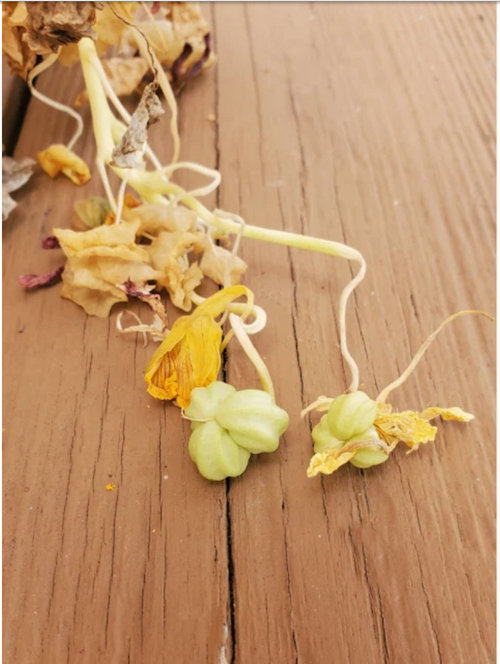
I read this on a blog....Nasturtium seeds grow on the stems/vines, not in the flower itself."..is that true?


Comments (11)

  • 2 years ago

    No, they grow in the flower but since the flower has withered, it may appear that they are growing on the stem.

    Sue Hughes Zone 6b in Pittsburgh thanked callirhoe123
  • PRO
    2 years ago

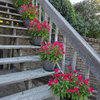
    Well, the flower grows on the end of a stem, lol. As the seeds develop and the flower withers away, it can look like the seeds are of just stems like in the photo.

    Sue Hughes Zone 6b in Pittsburgh thanked beesneeds
  • 2 years ago

    The picture shows flowering stems with developing seeds. There are even withered flowers still visible. The blog is talking nonsense. They often do.

    Sue Hughes Zone 6b in Pittsburgh thanked floraluk2
  • 2 years ago

    Thanks everyone! I thought that was some crazy-wrong info on that garden blog, but since I've never grown a Nasturtium - I thought maybe this plant breaks all the rules and I just never heard about it.

    I knew I could count on Houzz Gardeners to get the facts!


    If you are curious I inclued the link below with the blog post that I read that wrong info on:


    "Nasturtium seeds grow on the stems/vines, not in the flower itself. "

    https://www.fresheggsdaily.blog/2020/09/saving-and-planting-nasturtium-seeds.html#:~:text=Saving%20Nasturtium%20Seeds&text=small%20paper%20bag.-,What%20is%20this?,is%20a%20more%20sure%20bet.

  • PRO
    2 years ago

    Some of that is not accurate. They probably didn't notice the seeds before because the chickens ate them in the chicken yard. Probably kept the plants groomed in general. Green seeds can be pickled to make false capers, dried seeds can be used similar to peppercorns. The flowers form throughout the growing season, and form seeds as long as there is blooming- nasts are a seed maker all season long, there isn't a light or temp trigger for them. Deadheading can encourage more blooms like a lot of other plants, but it does not cause seed formation- if those first flowers are left alone, they will form seeds. Frosts do kill off the plant, it is tender. They tend to not like it too hot either, and if you get stretches into the high 80's or hotter, they will droop and flower production slows or stops.

    As said before here, the flower forms on a stem and in the flower forms the seeds- it just can look like the seeds are just on the stem by the time they are mature and the flower has withered. By a similar vein, roses could be said to set seed directly on the stem/vine- but no, it's really a flower stem that has dropped it's petals to reveal it's hip.

    Not all nasts are long vines. The ones that are do need regular training and potentially tying up to get them to climb since they are not naturally climbers- they are cascading or ground rambling if allowed. There are also many colors of short nasts that only grow a foot or so long that are often popular for containers and non-rambling bedding.

    Nasts transplant beautifully. They take very well to direct sowing. And if left alone, can reseed itself for years in a patch in the garden. I've found over the years that nicking or soaking them does not really seem to make a difference so long as the soil they are planted in is warm and moist.

    Nasts can do well in poor soil. But they don't prefer it, they tolerate it. They don't need a rich soil. They do much better in good soil than overly poor or rich. They don't like the soil to dry out completely between waterings- that causes stress and can trigger ratty foliage and blossom issues. They are drought tolerant. They do like it better when the soil is kept on the drier side of moist rather than the wetter side of it. They can tolerate very wet soil, but struggle much more than they do in a very dry soil.

    I can't really hand the blogger flack- it seems with that post it's their first year of observing growing nasts. They just have some inaccurate observations.

  • 2 years ago

    beesneeds thanks for taking the time to share information on Nasturtiums! Excellent info!! Yeah, don't want to give the blogger/fellow gardener a hard time but it was rather careless to post that as a fact.

  • 2 years ago

    Fortunately or unfortunately, social media and the internet give one access to a LOT of gardening info, some of it excellent and highly factual but much of it not worth the time it takes to read it. But if you are new to gardening how would you tell what's right and what's wrong? Separate the wheat from the chaff? Understanding the source is key.

    IMO, gardening blogs/youtube videos should be read for entertainment value only, not to gather any accurate gardening facts of life. For that, one should rely on established horticultural, botanical or educational websites - MOBOT, USDA, the Gymnosperm Database, Great Plant Picks, most any of the state (land grant) universities, etc. Or those old fashioned things known as "books" 😆

  • PRO
    2 years ago

    You are welcome Sue. I've been growing and loving nasts for many years. They are pretty and tasty :)

    Sue Hughes Zone 6b in Pittsburgh thanked beesneeds
  • 2 years ago

    re false capers: the seeds start very early to form a hard inner shell, real savvy cooks use the flower buds for pickeling, that is much tastier, real capers are flower buds as well


    IME transplanting can be tricky as their shoots break so easily, I would always direct sow and not bother with starting in pots


    and I think the anti parasite thing with chicken is overrated, I would always go for good hygene, rotation of the run area etc first


    re the egg laying: as far as I know, day lenght, genetics and good feeding are important factors

    Sue Hughes Zone 6b in Pittsburgh thanked linaria_gw
  • PRO
    2 years ago

    I have pickled flower buds, they are tender. And do texture a bit different than false capers. I prefer them used fresh. At first when I was harvesting green seed for false capers, I was late awaiting them big- and indeed they get tougher as they mature. But when picked when they are small and still verdant green before flushing maturity green, the flower petals are withered yet still have some color... there is a point where they are just tender and tickle off the stem, and pickle up tasty and good. For sure more structure than a caper or pickled flower bud. Left to mature, they get to a too tough to eat green stage and then are better left to go full dry and then used as a spice or for next years seed. I think following the traditional salt brining before vinegar pickling makes for a better false caper than vinegar pickling alone.

    I find the vinegar steeped of blossoms nice too. It can be such pretty colors with the nice herbish peppery tone. Adding in some sumac kicks in fruity and lemony goodness.

    Sue Hughes Zone 6b in Pittsburgh thanked beesneeds