Software
Houzz Logo Print
eric904

Fertilizer for in ground ornamentals and also fruit

last year

I have been using osmocote plus and foliage pro 936 for pretty much all of my containers for a few years now and it does great but i dont want to use osmocate plus for my in ground stuff.


I want a good organic slow release but what is a good organic slow release with all micro nutes too?


FWIW - i typically do not fertilize inground stuff but some times some things need a growth spurt so....


Comments (11)

  • last year

    " I want a good organic slow release but what is a good organic slow release with all micro nutes too? "

    Anything organic is considered slow release by definition. But few if any organically sourced ferts will have a full rage of micros. The best you could come close to would be compost made from a diverse array of ingredients.

  • last year

    @gardengal48 (PNW Z8/9) - i do bring in yards of compost and toss shovel fulls around alot of stuff but im still looking for a bagged organic or multiple products, one for the macro and another the micros.


    I just dont know what i dont know with percentages of things. E.G - one time i read that calcium and magnesium need to be at a certain ratio else one makes it so the other cant be absorbed into the plant or something like that so i dont want to just go buy the cheapest bagged organic fert and hope it works. i want it to work :-)

  • last year

    Have you ever had your soil tested? Applying fertilize just to generate a "growth spurt" is not really a great idea. Unless you know what is present or deficient in your native or existing soil, you may be applying unnecessary amounts of nutrients that are already present in sufficient quantities. And so-called growth spurts tend to be very appealing to insect infestations because they produce lush, soft growth insects find irresistible. Also August is pretty late in the season to be applying fertilizers to anything other than containers or a lawn.

    But if you must, an organic "all purpose" fertilizer (available from many brand names) will supply the basics and kelp meal is typically regarded as a good organic source of trace minerals.

  • last year

    thanks! ill look up kelp meal. I tried to do soil tests from county extension pre covid but ours stopped that. Ill ask again maybe that changed. The area is to big for the ones i have seen - my garden is around 6k sq ft and there are a few distinct different types of soil that i have seen while digging holes over the years.

  • last year

    Not all organics are slow release (blood meal, for example, while organic, is anything but slow, and also a very limited resource). So it'll vary.


    You can get stuff like Milorganite at the Home Depot (or whatever your store is), which is simply recycled poo. Some object to it, but again--organic. Reasonable nitrogen and phosphorus, low potassium, high iron, has a good number of micros in it as most humans do, too.


    I wouldn't recommend use on vegetables (and neither does the company). Kelp can be expensive, and it's real low in nitrogen, too, so don't expect a growth burst. A quick lookup shows 1-0-4, so great potassium, not so great nitrogen. Should have every micro in the book, though, like any grain you could get would.

    100 904 thanked User
  • last year

    " Blood meal's other benefits include:

    • Deters pests: Blood meal has a strong smell, which repels deer, rabbits, squirrels, raccoons, and moles. Sprinkle blood meal lightly across the leaves and at the base of any nibbled plants in your vegetable garden.
    • Organic: Blood meal is organic, so you are not using a chemical fertilizer in your garden.
    • Acidic: Acidifies your soil, which benefits acid-loving plants.
    • Slow release: Blood meal is a slow-release fertilizer (one to four months)."

    Blood meal is only considered 'fast release' in comparison to other organic sources of nitrogen. But not compared to any synthetic ferts.

  • last year
    last modified: last year

    " After adding blood meal to soil, it will make nitrogen available to plants over a period of 2 to 6 weeks. Many synthetic fertilizers, and organic fertilizer such as fish emulsion, only supply nitrogen to plants for 2 weeks."

    Battling references, always my favorite. While the last of the N may go that long, it's not significant and it's like saying other organics can go a year. True enough--but extremely deceptive in practice.

    Oh, there's another one. Fish emulsion is a great short-term organic, 2 weeks. Not all organics are long-term in the slightest.

    And please, overapply blood meal a little and watch the burn in 3 to 5 days. That's always fun. In any decently bacteria-rich environment like a good soil or nicely handled pot, it goes fast.

  • last year

    Given that this fall has not been, in fact, a fall as of yet, the lawn's gotten its feeding and I'm holding off. The gardens still think it's summer and it's almost October first. Last year, I had roses in November.


    (Oh, smashed pumpkin, another good fast organic...)


    I probably wouldn't use other's leaves as I never know what weed seeds or other garbage are mixed in, and I don't get a lot of my own, and the last thing I need is more bright green invasive grass. I fight enough on my own.

  • last year

    The Espoma line is excellent.

  • last year

    It sounds like you have a great approach to gardening! For in-ground plants, considering organic slow-release options can help boost growth when needed. Here are some suggestions:

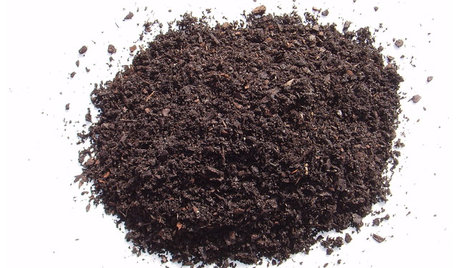
    1. Compost: This is one of the best options for enriching your soil naturally. Compost provides a slow-release source of nutrients, improves soil structure, and enhances moisture retention. Plus, it adds beneficial microorganisms to the soil. You can create your own compost using kitchen scraps, yard waste, and other organic materials. For more on how to compost effectively, check out this article: Unlock Garden Gold: The Art of Composting.
    2. Organic Mulches: Using organic materials like straw, wood chips, or shredded leaves as mulch can also contribute to nutrient release as they decompose. This not only helps suppress weeds but also enhances soil quality.
    3. Manure: Well-aged manure from herbivores (like cows, horses, or rabbits) is another excellent organic option. It’s nutrient-rich and can help with soil aeration. Just be sure to let it age before using it, as fresh manure can burn plants.
    4. Fish Emulsion: This liquid fertilizer is a good source of nitrogen and other nutrients, and it releases its nutrients slowly. It’s especially effective for giving a boost to plants that need a little extra help.
    5. Bone Meal and Blood Meal: These organic options can provide phosphorus and nitrogen, respectively. They release their nutrients over time and can be mixed into the soil when planting.


    Since you typically don’t fertilize your in-ground plants, these organic methods can give your garden the extra nutrients it needs during growth spurts without overwhelming the plants. Happy gardening!