Software
Houzz Logo Print
jaxo_gw

Replace existing HVAC system suggestions?

last year
last modified: last year

The house has a builder grade single stage central a/c unit on the patio plus a gas furnace in the attic.

It’s working fine with no sign of reduced performance or failing.

HVAC contractors say you should buy new systems ever 10 to 15 years, but this system is going fine for over 20 years with only simple parts like capacitors replaced every several years along with annual cleaning and maintenance.

I’m not sure whether to replace it just to replace it now or see if it can go several more years closer to 30.

One disadvantage to replacing it now versus waiting is that 10 years from now, the next system would already be out of warranty vs being near new if I waited a few to several more years.

The disadvantage of waiting is that it might fail unexpectedly next year or 5 years from now and I may not be able shop around for the best system and installers.

I would like to get a nicer unit with variable speeds or at least 2 speeds because there is a small, end bedroom that either gets freezing cold or not cold enough compared to the rest of the house on warm nights with the a/c running. I think a lower speed fan could keep that room cool near the same temperature as the rest of the house without freezing it out.

However, besides just the initial additional one time cost of a nicer system, I am wary of getting a system that is too fancy and too proprietary that will end up having a much shorter lifespan and many more repairs with waits for backordered or even discontinued parts as it ages. With the current system, every part it ever needed was immediately locally available if not already on their truck.

I’m also thinking of getting rid of the gas furnace and just having a heat pump unit that can do everything year round.

Any recommendations?

Comments (22)

  • last year

    If it's not broken don't fix it.

  • PRO
    last year

    Switching from Natural Gas furnace inside to heat pump is typically not worth it as electric costs are typically higher than natural gas costs and depending on climate can take time getting used to the heat put out by a heat pump.


    The indoor furnace change would require 240v circuit to the indoor air handler as your natural gas furnace operates from 120v circuit.


    The heat pump essentially provides heating / cooling from refrigerant this can add a new level of technicality that often leaves you in a state of flux. Not saying it can't work and work well, but typically the more technical you make the system the more problems you are likely to have.


    Refrigerants: currently if you can still find them R410a equipment is still out there, but coming to an end. The new is R32 which currently is Goodman / Amana / Daikin brands. It's single component refrigerant like R22 Freon. The other manufacturers have chosen R454b a 2 component refrigerant made up of approximately 69% R32 and 31% R1234yf. There is some refrigerant glide with R454b which could wind up being a problem for heat pumps in particular. While the glide issue with R454b is small it's much larger a glide than R410a was. *technical jargon intended for technical discussion*


    Condensing gas furnaces: These are more techinical too, but much less than heat pump in my opinion. They are typically best chosen for a climate that is often colder, because they often times require more maintenance but are more efficient. For a less or more mild climate I would only select a condensing furnace if one is currently in that spot / or if the 80% gas furnaces are not allowed in that area etc.


    A more mild climate is also more suitable for heat pump, not that a heat pump can't work in colder climates just that it's typically more prone to trouble not less. The heat provided by a heat pump is extracted from the outdoor cold. The colder it gets? There is still heat in that air, but less so efficiency can and does trail downward for a heat pump. So to combat this it's advisable to spend more money for a more capable machine.


    Inverter: not all are created equal. All manufacturers make them in various configs and operational efficiency. Most manufacturers tie them to complete system / communicating type systems which are tied to proprietary controls. While communicating are often touted as better as they age it often times becomes a game of communicating error hell.


    Some of these communication errors may self reset after a certain amount of time passes. Some may record those errors to let the technician know what has been popping up. These systems are typically going to be tied to the installing contractor as in the life of the equipment (the warranty period) it's in your best interest to service it via the installing contractor, hoping that they still service said equipment and didn't get disgruntled themselves with the distributor, equipment mfg etc. (some manufacturers / distributors are worse than others.)


    Warranty: Typically only covers the part and nothing else. Refrigerants are not covered, mfgs consider these consumables. As refrigerants change / phase out / discontinued etc. Prices change along with that conundrum.


    The future and refrigerants: R22 Freon : banned, no production other than reclaiming and converting to virgin from prior installations... Costs $$$ change often.

    R410a in the phase out beginnings currently somewhere in the 40% production cut with another large cut coming in the next few years. New equipment is disappearing quickly and will likley be gone an over sometime in 2025 if not within a few short months.

    R32 / R454b while better for the environment not a slam dunk by any stretch of the imagination. Following the Kigali Amendment to the Montreal Protocol (that has been ammended many times by now) sets a time table of 2036 for the USA to begin a new refrigerant phase out / phase down cycle for these so called "newer" refrigerants. (R410a is 50% R32 and 50% R125 which dispells the notion that much of any of this is "new")


    Some states may follow California's lead and ban sale of R410a refrigerant by 2030 or? So your choices may be further hindered by where you live.


    I service the Katy, Texas area.

  • last year

    What they 👆 said.


    I was going to chime in and mention about heat pumps and your climate. I live in far north Missouri. One of my former homes had an air-source heat pump when we moved there but it was NOT a good fit. We were too far north for it to perform at its maximum efficiency.

  • last year

    If you can provide additional information it will results in better recommendations.

    You said the equipment is more than 20 years old. Exactly how old is it?

    How long do you plan to live in this house?

    Where are you located?

    Would the switch to a heat pump is because you want to lower heating costs and/or lower carbon emissions.?

    The temperature problem with the small end bedroom is likely due to a supply duct problem. A variable speed furnace or air handler may give some improvement but will likely not solve the problem.

  • PRO
    last year

    "The temperature problem with the small end bedroom is likely due to a supply duct problem. A variable speed furnace or air handler may give some improvement but will likely not solve the problem." I agree. If any HVAC contractor proposes a new system as a cure-all for your air distribution issues, get a performance guarantee in writing.

  • last year

    I’m not sure whether to replace it just to replace it now or see if it can go several more years closer to 30.

    We replaced our old single stage gas heating at the 32 year mark. 32 Wisconsin winters so it had a lot of miles on it. Replaced with a 2 stage unit, not top of the line. More bells & whistles, more potential for problems, IMO. Natural gas.

    I agree that the problem with the bedroom is most likely a ducting issue, not one that a new unit will correct.

  • last year
    last modified: last year

    The house is in an area with mild winters where the coldest temperature ever recoded in the area is around 15 degrees Fahrenheit many decades ago. Most of the winter most years, overnight temps never drop below freezing at all.

    The reason to switch to heat pump is because I want to move towards getting rid of gas. The gas rates are high and I hate the gas company. Electricity rates are moderate especially during the winter. Peak time electricity rates in summer are high, but heat would never be used in summer.

    Switching to heat pump would also replace two HVAC appliances with one. Yes, the current gas furnace uses 120V to power it and a heat pump would use 240V, but the gas furnace in the attic would be gone and the heat pump A/C would be replacing the existing 240V A/C.

    The current HVAC system is the one that came with the house built 23 years ago.

    The end guest bedroom is hard to regulate the temperature on moderate nights. If you set the thermostat that’s at the maximum comfortable sleeping temperature for other bedrooms, that bedroom heats up and gets stuffy during the long breaks between A/C cycles and people in the bedroom want to open the windows to cool off and get air flow. This often happens on rainy days and then water gets inside when they open the window and that can cause damage. They then fall asleep and forget they opened the window because they closed the shutters for privacy which blocks their view of the open window behind it.

    So, we don’t want them opening the windows to get comfortable.

    If you lower the thermostat so the a/c runs long enough to keep the room ventilated, then that small room gets way too cold.

  • last year

    Lots of heating systems will last for a lot longer than 20 years. Mine is probably 30 years old and still quite efficient. Replacing it would not change much, except how much money is in my wallet.


    According to the internet, HVAC systems last 15-25 years, but it depends on your use, whether it's well-maintained and, I presume, the quality of the brand. And an average can cover a huge amount of variability. Dishwashers last, on average 10 years, but mine is over 20 and still doing fine. We've replaced a few parts every now and then, probably a total of $50, which is a hell of a lot cheaper than replacing it because it was over 10 years old and needed a small fix.


    My take is, if it ain't broke, don't fix it.

  • last year

    I wouldnt change it out either, if its working fine.

  • PRO
    last year

    Switching to heat pump would also replace two HVAC appliances with one. Yes, the current gas furnace uses 120V to power it and a heat pump would use 240V, but the gas furnace in the attic would be gone and the heat pump A/C would be replacing the existing 240V A/C.


    Well not really, you just get an AH (air handler) which consists of blower motor, evaporator coil, heat kit (if installed electric strip heat for heat back up if it gets so cold the heat pump can't deliver the goods.) -- A gas furnace you get the furnace that consists of blower motor, heat exchanger, evaporator coil.


    You have to understand a heat pump delivers heat based on science and not burning a plentiful resource. There's differences in heat pumps that determine how good or not so good (like some are defined as "hyper heat models" because they can deliver heat way down to low single digit out door temps and some models can do this into the negative numbers. Those cost real money and it's a given that you'll need to pay to keep them in top shape. An 80% gas furnace is maintenance light especially for a mild climate. (80% is least efficient, but if you're in mild climate you aren't running it much anyway.)


    If you got the room in the electic panel for another 240v circuit for the AH maybe that's 10 benjamins more depending on complexity of the run. If you don't have room, or the panel is old like over 20 years old, you may be looking at a new panel and a new 240v circuit. You know so you get the idea how these green washing ideas wash your wallet of the green you have.


    Another option for you --- save that money for the new 240v circuit for the AH, replace the furnace straight 80% gas -- no condensing furnace maybe go to 2 stage gas to limit the heat blast when you use the furnace... install a heat pump Inverter -- the Bosch (if you can find a dealer near you) --- All Bosch are heat pumps, inverter 1% steps up and down, no communicating controls. Add in a duel fuel kit to switch from heat pump or gas furnace and you got the best of both worlds.


    The inverter (Bosch) installed properly will cut your energy use in summer AC mode by up to 50% depending a number of variables. With the gas furnace as back up no worries for those really cold years that come unexpectedly.


    I'm in an all electric home, installed the Bosch Inverter at my house in Oct 2019. If this house had come with gas, I would have kept the gas and probably configured the Bosch as AC only even though it's a heat pump. Reason: heating season is so short here it doesn't matter that much for the occasional hard freeze we get sometimes.


    I think you take gas out, you may live to regret that decision. Heat pumps have come a long way since the 80's but the majority of them "entry level or near entry level heat pumps" trail off in the mid 30's out door temps. --- so if you're then calling for heat those expensive heat strips are forced to kick in.


    The bedroom problem may be best suited to be controlled via zone system. In some homes this is the best control method for homes with odd layouts / problem spots / control issues / areas farthest away from thermostat and or the equipment that is providing the conditioning.


  • last year

    If you plan to move within the next five years, then my recommendation would be to do nothing other than keep up with repairs and maintenance. If you plan on living in the house more than 10 years, then I suggest you begin planning on a replacement. The 410a refrigerant is scheduled to begin a phase out in 2025. You should wait to buy equipment which uses either R32 or R454b refrigerant. I would wait at least a year for installation techs to gain experience working with these new refrigerants. These refrigerants are mildly flammable. This may require changes to the code requirements for your home. You should ask the local code official about this.

    You live in a mild winter climate. A heat pump should work well for you and keep you warm without having to use back up resistance heating.

    In the mean time here something to help the temperature regulation for the end guest room:

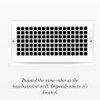
    AC Infinity AIRTAP T4 White, Register Booster Fan

    This booster fan can be programmed to turn when the temperature goes about a set value in the winter, and below a set value in the summer. The fan speed can also be set. It is not a cure for an undersized duct. But it may make your guests feel more comfortable.

  • PRO
    last year

    Hi, jaxo,

    If your current system is reliable and the monthly operating cost is affordable, I'd keep running it until it becomes unreliable. When the time comes to replace the system, your choice should consider available federal income tax credits for energy efficiency improvements and any incentives offered by your state.

    You indicated a concern about spare parts availability. With that in mind, I'd be reluctant to recommend a 80% efficiency gas furnace. There are proposed DOE regulations which will require the minimum furnace efficiency to be 95% by 2028. That means an end to production of 80% AFUE furnaces. I'd expect replacement parts availability for 80% systems to be an issue after that.

  • last year

    I regularly read people on internet forums wanting to replace furnaces, ductwork, and batt insulation because it is "old," even though all are working perfectly fine.

    I have some houses with gas furnaces from 1967-1980, and they are chugging along nicely. The $12/month extra in utility bills for subpar efficiency for 4 months equates to a rounding error. And I don't like the waste and inefficiency of any utility corporation, but I'm smart enough to separate that from separating me from $10K just because of that.

    The far bedroom does not have enough information to just say you need a 2-stage. It could be duct size, "thumb-estimated" BTU for the entire house system, lack of return air, lack of insulation in the attic, located over a garage, etc. Throwing money into a new system without having any investigative theories for that is like parting with your money because of your limited perception of a company.

  • last year

    About tge 80% efficiency gas furnaces? Won’t some of the mainstream, builder grade models be able to use generic/aftermarket replacement parts?

    Won’t it be a bigger issue getting replacement parts for extremely proprietary, higher end systems that are full of custom system boards and novel design choices?

  • PRO
    last year

    Hi, jaxo,

    I don't know what parts will or won't be available at some point in the future. My experience is that when models are discontinued, parts availability can be an issue. It's one way manufacturers incentivize consumers to replace systems.

  • last year

    In my area used parts are available with an online listing. Ebay can also be a source.

  • last year

    "If you set the thermostat that’s at the maximum comfortable sleeping temperature for other bedrooms, that bedroom heats up and gets stuffy...and people in the bedroom want to open the windows to cool off and get air flow."

    Install a ceiling fan for that room or, if you can't do that, buy a tower fan. Examples:

  • last year
    last modified: last year

    @jaxo

    I'm of a slightly different opinion: You may indeed be able to get additional life out of your HVAC, but "if it ain't broke, don't fix it" isn't usually a great plan. I don't, for example, wait until my tires blow out or my brakes fail to replace them.

    I generally consider 20 years on an AC and 30 years on a gas furnace to be End of Service Life. If an AC has experienced refrigerant leaks, that estimate can drop to 12-15 years. Unfortunately, there's that difference in lifespan, and many people will opt to replace both things together as a system - so the effective service life of both tends to be about 20 years.

    Changing to different fuel, or higher efficiency equipment usually only makes sense when you are going to replace the HVAC (or water heater) anyway. But when it fails - particularly in winter (cold climates) or summer (hot climates) - you are under the gun to fix it fast. People often put the same system back in because they don't have time to consider anything else. You are also at the mercy of whatever contractor can fit you into his schedule and the systems he can get quickly.

    It sounds like a heat pump could be appropriate for your area. I would do more investigation to see what types/brands are installed by reputable dealers in your area. A competent installer is always important, but particularly with heat pumps. Then I would get some proposals.

    If, after your fact finding, it still looks good then make a plan to replace the unit when it's a good time for you instead of trying to get a couple more years out of things.

    As for proprietary parts and such, it's generally hard to beat a gas furnace for repairability. I think inverter based heat pumps require more technician skill to troubleshoot and repair and more likely to be proprietary parts. I hate 80% furnaces with a passion though - and I'd never buy one. I've seen way too many perforated flue pipes and such when the gases condense in the flue or before in a crappy 80% furnace.

    As far as that back bedroom: sure, the HVAC isn't getting back there. If it were an older house I'd add to check the insulation / windows.

  • last year

    Even tires don’t randomly blow out based only on the number of years since the date of manufacture.

    As the tires age, you will see the tread wearing down and the rubber drying out and cracking with age, wear, and weather exposure. Things like that will let you know it‘s time to replace them.

    I have my HVAC serviced regularly and there are currently no leaks or other signs that the final days of safe use are very near.

  • last year

    @jaxo

    I get what you are saying but the issue is if you keep it until it breaks (if it ain't broke, don't fix it), or replace it preemptively. If you wait until it breaks, you run into all of the issues I mentioned.


    On tires, the best predictor of normal service life is miles. On an HVAC system, the best predictor of normal service life is years. There are no run-time meters on residential HVAC systems that I'm aware of.


    Of course your system could last longer than what I said. If it's doing well, been maintained, the compressor doesn't sound loud, the fan motor isn't slow because the lube in the bearings has turned to solid paste, etc. then you might get several more years out of it. You might reasonably say that you want to postpone it a few years for financial reasons, for example, if it's otherwise in good shape. But I'm not a big fan of run it till until it fails.


  • last year

    Just curious, Jake, not prodding you in any way, but do you follow suit with your refrigerator or toaster? Shingles? It seems that things that one might consider preemptively replacing do not necessarily have any type of markers that can be evaluated - like a toothbrush or contact lenses, so you use recommended time periods. The other things can be tested, show wear, fail, some form of evaluation.

    With HVAC equipment, in my experience, a new unit could blow a limit switch or capacitor 5 years into it's intended 20 year life expectancy, which negates replacing an old unit that may or may not have done the same (design performance notwithstanding as the decision to change equipment).

  • last year
    last modified: last year

    @3onthetree

    It depends on how a particular thing fails, and what the consequence of failure is.

    So, a roof, for example, has a known service life, but they don't typically suddenly stop being a roof. They may start to leak eventually, after exceeding their service life, and that can be a problem.

    So yes, I track the expected service life of a roof - in part so I have the cash to replace it. And if it's nearing the end of that service life and I get some minor leaks or notice really deteriorated shingles, I'll replace it rather than repair so it happens on my terms rather than having a plaster ceiling fall because it's wet.

    A toaster doesn't have a known service life, it can fail, but it's obviously not a big deal if it does.

    A jet engine on a passenger plane on the other hand, would be a big deal if it fails. The service hours are tracked and they are preemptively rebuilt, they don't wait for those to fail.

    The 12V battery in Honda cars tend to fail reliably at 36 months. We know it will happen. Getting stranded really sucks. I replace the 12 V Battery on my new Honda vehicles several months before 36 months and I don't wait for.it to fail.

    Back to the HVAC unit: individual parts may fail -relays, capacitors, blower motors, etc. If they have a known service life, preventative maintenance isn't a bad idea. I replaced my blower motor on my furnace, for example, before it failed.

    But the issue isn't simple repairs, as much as overall replacement. If an AC is 20 years old and the compressor fails or there's a leak in the evaporator or condenser coil, you aren't repairing that AC and it's going to be down until you get someone to replace it. The thing that will sign a death warrant on a gas furnace near the end of service life is a cracked heat exchanger - not an igniter or other easily replaceable part.

    My original point with the HVAC system is that in many climates, a failed HVAC unit is more than a minor inconvenience. And particularly if you are looking to change fuel types or otherwise re-design some things, when a unit has a known service life and is at the end of that service life, you may want to replace it at a time that works for you instead of having it crap out when it's -10 out.