Software
Houzz Logo Print
arbordave

Pollinators in the Garden 2025

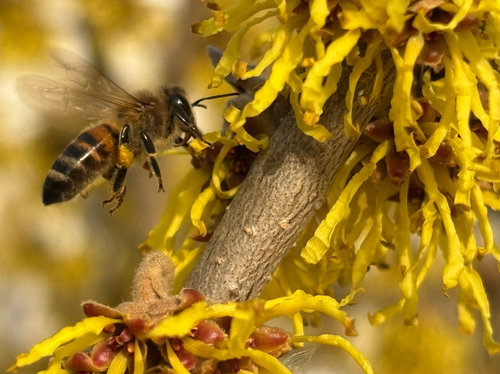
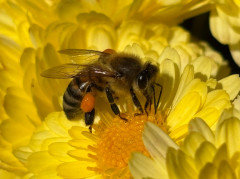
Welcome to Pollinators in the Garden 2025! For those of you in warmer zones pollinator season is well underway, but it’s just getting started here. Yesterday (March 14) afternoon temps rose into the upper 60s, and the first honey bees of the season (that I’ve seen in my yard) were visiting the witch-hazel flowers.


Comments (227)

  • 10 months ago

    pm I use a Canon Power Shot Elph. It is far from great but it fits perfectly into one of the pockets of my Lee Valley gardening pouch. If it is not with or close to me I would never get most shots, especially hummingbirds.


    Sept. 10th was my last sighting of a monarch


    Sept. 17th was the last GS. The hummingbirds left between the 10th & 17th


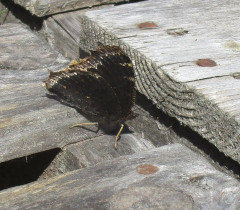
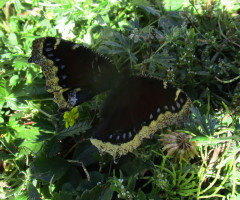
    Mourning Cloak on the 22nd was in rough shape.


    arbordave (SE MI) thanked peren.all Zone 5a Ontario Canada
  • 10 months ago
    last modified: 10 months ago

    Lots of sulphurs around but no pics. Plenty of bees still.


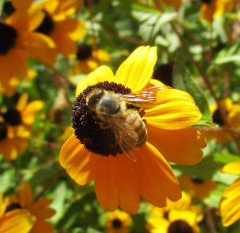
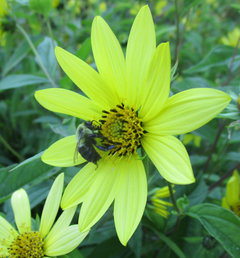
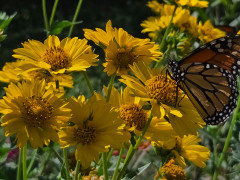
    On Rudbeckia triloba


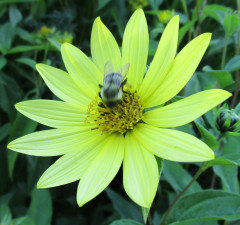
    On Helianthus Lemon Queen


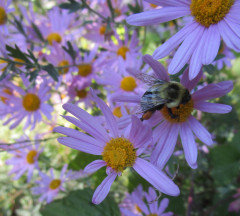
    Chrysanthemum Clara Curtis


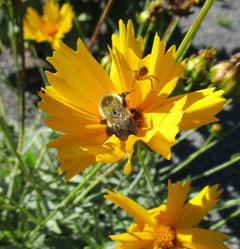
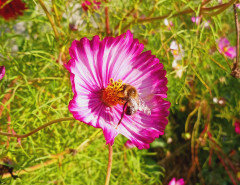
    Coreopsis Sunray and a spider hanging out with it.


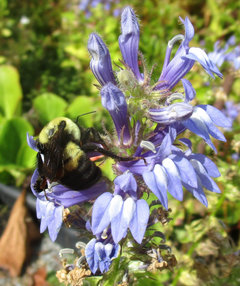
    Lobelia siphilitica

    arbordave (SE MI) thanked peren.all Zone 5a Ontario Canada
  • 10 months ago
    last modified: 10 months ago

    High 70's to low 80's for the next week or so.

    The bees have been busily working on what's left of the flowers even though it's getting dry and I haven't irrigated them lately.

    Honeybees and bee flies are abundant.


    Smaller Bumble bees too.


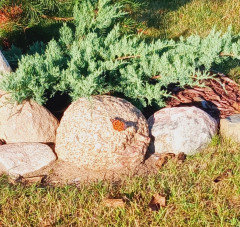
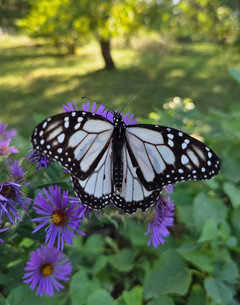
    I saw this one sunning itself on a rock. Those of you familiar with the various moths and butterflies might recognize this one.

    He flew when I tried to get closer and I cropped the picture.


    arbordave (SE MI) thanked BillMN-z4a
  • 10 months ago

    Bill too far for me to tell if it is an American Lady or a Painted Lady. Someone that can zoom in can tell you.

    arbordave (SE MI) thanked peren.all Zone 5a Ontario Canada
  • 10 months ago

    I zoomed in on the picture. perhaps 'Painted Lady'?


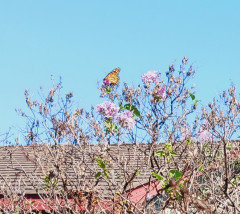
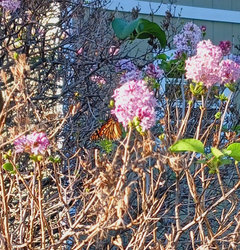
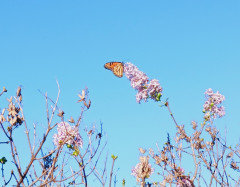
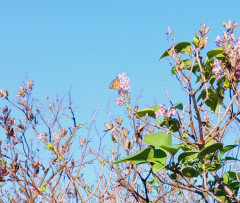
    Monarch on the late lilac blooms that apparently occur after a season of lilac blight.

    A-13 5G droid. 9-25-2025: Been still seeing them around, flittering here and there.


    arbordave (SE MI) thanked BillMN-z4a
  • 10 months ago

    prairiemoon2 - I use my iPhone 15. IME, the focus on the subject generally isn't very sharp at longer distances, so I typically have to get pretty close for better quality pics.

    BillMN - I agree, looks like a Painted Lady rather than American Lady. Both of those species, along with Buckeyes, have been noticeably absent at my location so far this fall.

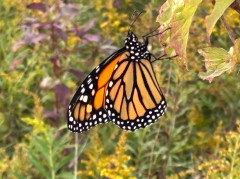
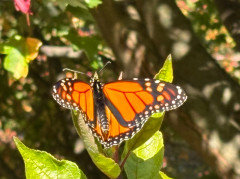
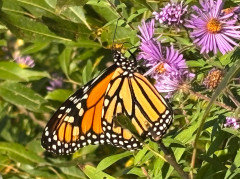
    Recorded one monarch each of the last two days. This one was trying to dry out on a viburnum leaf after a very rainy day Wednesday (9/24/25):

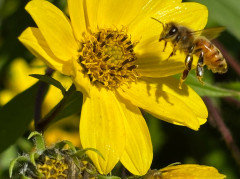
    Tall sunflowers near the back of the yard are still going strong and attracting plenty of bees:

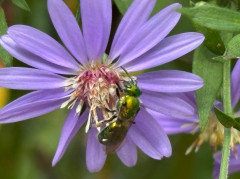
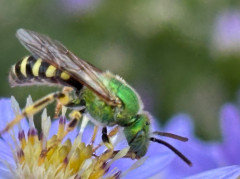
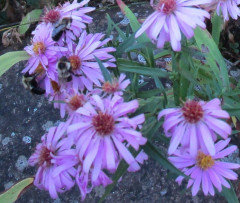
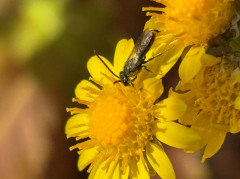
    Little Carlow Aster also has plenty of bee activity, including some smaller "sweat bees":


  • 10 months ago

    Interesting that the particular metallic-green sweat bee still does the yellow-black warning on the abdomen.

    arbordave (SE MI) thanked bengz6westmd
  • 10 months ago

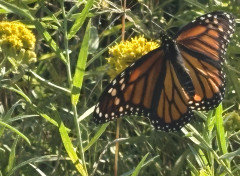
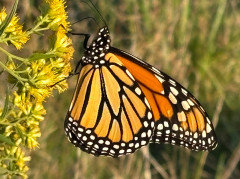
    Weather conditions were ideal today (9/26/25), and I observed at least 5 or 6 monarchs (at different times) in the field across the road. They were landing on New England Asters and goldenrods, and seemed to prefer grass-leaved goldenrod over common goldenrod:


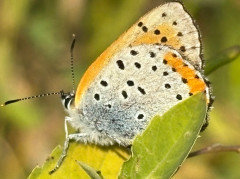
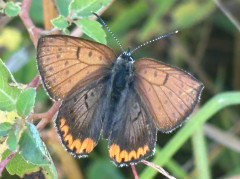
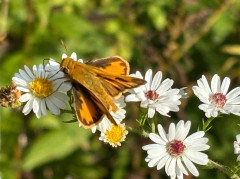
    There was also a male Bronze Copper (both photos same individual):


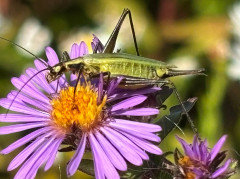
    And a black horned tree cricket (not a pollinator) on an aster:


  • 10 months ago

    Interesting that the Monarchs are staying so long this season.

    I hope they don't stay too late and it becomes too late for them to leave.

    They're still talking some 80's next week.

    The Monarchs were numerous today with frequent sightings on the lilacs.


    Lots of various kinds of bees still working here too.

    arbordave (SE MI) thanked BillMN-z4a
  • 10 months ago

    77d today, but the ends a coming in the next few days.


    arbordave (SE MI) thanked BillMN-z4a
  • 10 months ago

    Mid to upper 70s the last couple days, with cooler air moving in tomorrow, but temps are expected to warm back up to 80 or above this coming weekend. Still quite dry here.

    Monarch migration is slowing - recorded 3 Saturday, 1 Sunday, 0 yesterday, and this one today (9/30):

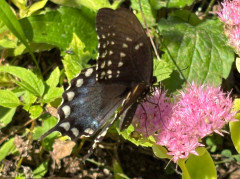
    Spicebush Swallowtail a few days ago (9/27) on sedum at a public garden:

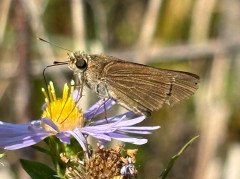
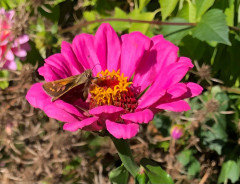
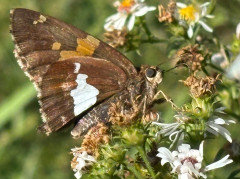
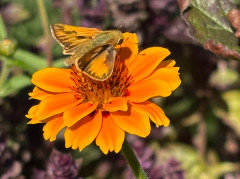
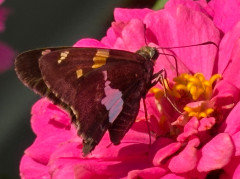
    Silver Spotted Skipper on zinnia, also at a public garden (9/27):

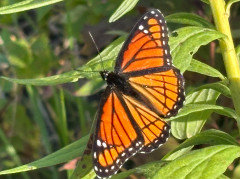
    There are still a couple Viceroys in the field across the road:

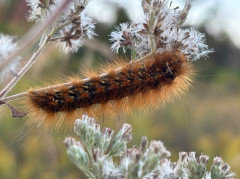
    This woolly bear caterpillar (9/28) is predicting a mild winter:


  • 10 months ago


    arbordave (SE MI) thanked prairiemoon2 z6b MA
  • 10 months ago

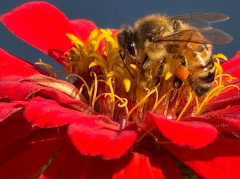
    Honeybees in October. ;^)


  • 10 months ago
    last modified: 10 months ago


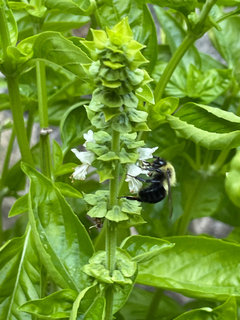
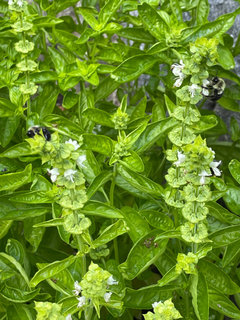
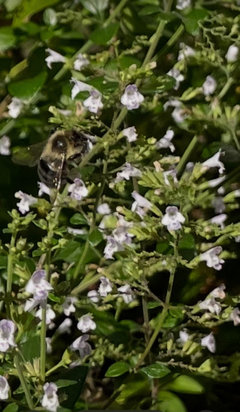
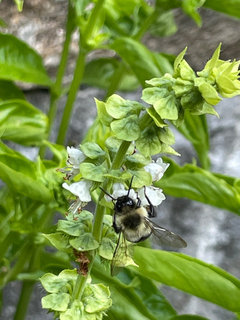
    Bumblebees nested in the stone wall near my herb & vegetable garden. They have been hard-working pollinators all summer long. They are out in full force today on my basil which I let go to flower to show my Fall pollinator love!


    arbordave (SE MI) thanked Design Fan (NE z7a)
  • 10 months ago

    Monarchs sightings have slowed to a trickle here recently - an average of about one per day. This one landed on a dogwood branch in the field across the road earlier this evening (10/6/25):

    Ocola Skipper is an occasional migrant from the south late in the year (10/4/25):

    Fiery Skippers (another migrant from the south) are fairly common here in the fall:

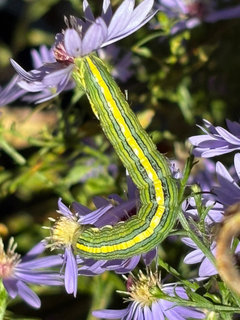
    This Hooded Owlet caterpillar was eating the aster petals in the backyard:


  • 10 months ago

    Bumblebees are all over the Calamintha nepeta s.nepeta. Such small flowers but an absolute bee magnet.


    arbordave (SE MI) thanked Design Fan (NE z7a)
  • 10 months ago


    Oct. 5th was the last time I got a monarch pic. Saw one on the 6th but no pic. Not many flowers left.


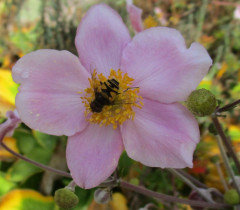
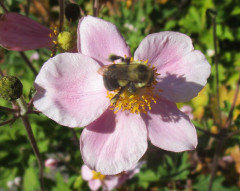
    Bee fly on Anemone


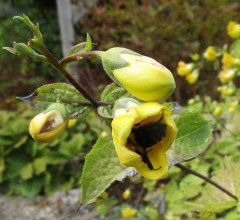
    Bee in Kirengeshoma palmata.


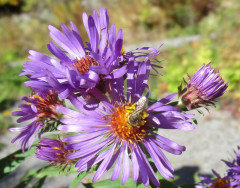
    Bee on Symphyotrichum 'Purple Dome'


    Bee on Anemone


    Bees on Symphyotrichum 'Wood's Pink'


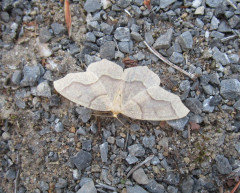
    Perhaps not a pollinator but lovely subtle markings.

    arbordave (SE MI) thanked peren.all Zone 5a Ontario Canada
  • 10 months ago

    I had another painted lady sunning on the wood mulch this morning.

    Last night was 25d so thought that was pretty good.

    Couldn't get a picture though.

    arbordave (SE MI) thanked BillMN-z4a
  • 10 months ago

    Finally got a skipper pic.

    tj

    arbordave (SE MI) thanked tsugajunkie z5 SE WI ♱
  • 10 months ago

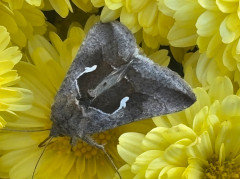
    peren.all - I believe that moth is a hemlock looper, a species that can sometimes cause significant defoliation on hemlock and balsam fir.

    tj - zinnias are great for late season pollinators. There were a few bees visiting a potted zinnia near the front door today:

    I haven't seen a single Monarch (or Viceroy) since the hard frost Thursday morning 10/9. I did see one monarch Wednesday (10/8) sunning itself on the highest branch tip of the Winter Red holly (possibly the last Monarch I'll see here this year):

    The Nippon (aka Montauk) Daisy is still blooming and attracting visitors:


    Aside from cabbages and sulphurs, the only butterfly I saw today (10/12) was a silver spotted skipper on the white asters in the field across the road:

    Red Admirals, American and Painted Ladies, and Common Buckeyes have all been complete "no-shows" this fall.

  • 10 months ago

    Thanks Dave. Just what we want, another tree destroyer lol! I did not see any American or Painted Ladies either. All except GS numbers were way down here. It was a chilly spring then right into extreme heat. Strange year.

    arbordave (SE MI) thanked peren.all Zone 5a Ontario Canada
  • 10 months ago

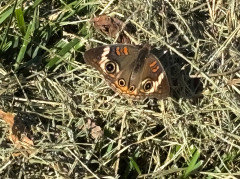
    Paid a visit to buckeye land (Ohio), and, naturally, encountered a common buckeye (10/13/25):

    Also, a fiery skipper, and a silver spotted skipper on a lilac:


    With the warm weather, there were woolly bear caterpillars out in abundance, and at least one salt marsh moth caterpillar:


  • 10 months ago
    last modified: 10 months ago

    This on a FB post -- a rare white monarch sited in Kansas City, MO. Not sure of the specific facts on this rarity -- for y'all to look up if interested (arbordave almost certainly knows something).


    arbordave (SE MI) thanked bengz6westmd
  • 10 months ago


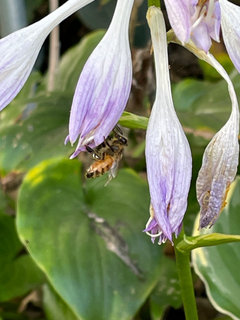
    From Monday, a lone bee searching thru mostly played out hostas.

    arbordave (SE MI) thanked indianagardengirl
  • 9 months ago

    @bengz6westmd, that white Monarch is unreal! so beautiful.

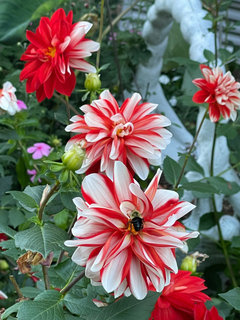
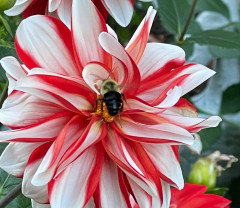
    I caught a bee on dahlia Dynamite


    arbordave (SE MI) thanked forever_a_newbie_VA8
  • 9 months ago

    I would love to see a white Monarch! I'm in southwest Missouri so maybe it will stop in my garden for a break on its way to Mexico. : )

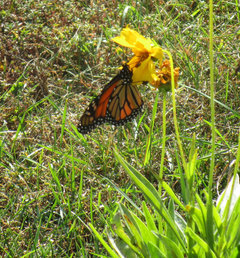
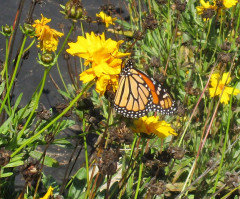
    I've being seeing several Monarchs at a time for the last week or so. I've wondered if I'm seeing different ones every time or if they stick around for a few days before moving on. Here's one on cowpen daisies.

    arbordave (SE MI) thanked christie_sw_mo
  • 9 months ago

    According to Monarch Watch, white monarchs are "extremely rare with only a few being reported each year. The exception is Hawaii where its frequency has [in some areas] reached 10%"

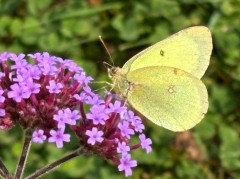
    Haven't observed a single monarch here for the last 10 days. Sulphurs are one of the few butterflies still around (photo today 10/18/25):

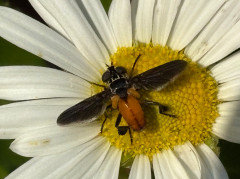
    Aside from verbena, the only thing in bloom in my yard at the moment is Nippon (aka Montauk) daisy, which attracts quite a variety of pollinators, including several kinds of bees, hover flies, moths, and this feather legged fly (a parasitoid of true bugs):

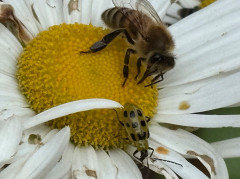
    Honey bee and spotted cucumber beetle (the latter has done significant damage to many of the petals):


  • 9 months ago

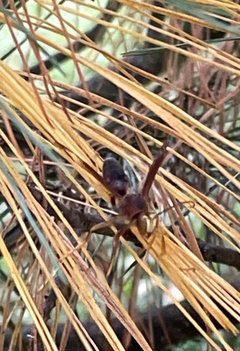
    Paper wasps all over the interior of one of my pine trees. They’re not pollinating, but what are they doing?


    arbordave (SE MI) thanked indianagardengirl
  • 9 months ago

    @IGG: The paper wasp nests are disbanding now, and the individuals are kinda "lost" and all over the place, at least from what I've observed before. Fertile queens, tho, may be doing things to prepare for their hibernation. At one time I watched a nest in early fall and they lose their social behavior and start fighting/driving off others that are returning to the nest.

  • 9 months ago

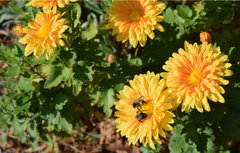
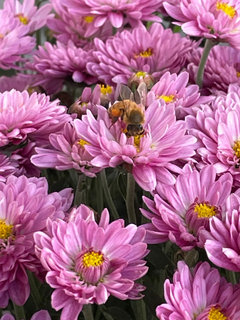
    Bees are enjoying the Mums today... and I'm surprised they are interested in cushion mums that I thought didn't have much of a center....


    arbordave (SE MI) thanked prairiemoon2 z6b MA
  • 9 months ago

    I just walked outside to find quite a few honeybees on my mums too. Available blooms are dwindling. Bumblebees keep working the basil flowers too.


    arbordave (SE MI) thanked Design Fan (NE z7a)
  • 9 months ago

    When I went out this morning, there were 10 bumblebees evidently sleeping and just waking up in the Mum flowers. Is it the cooler temps that trigger all these sleepy bees?

    arbordave (SE MI) thanked prairiemoon2 z6b MA
  • 9 months ago
    last modified: 9 months ago

    Prairie, they're running out of energy and life-span at this point and not enough left to fly back to the nest in the cool evenings (might make it back the next day if it warms up enough). Only the queens will survive over the winter to start again in the spring.

    arbordave (SE MI) thanked bengz6westmd
  • 9 months ago

    Thanks @bengz6westmd for the education

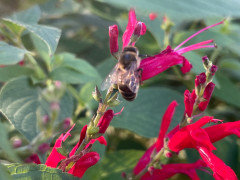
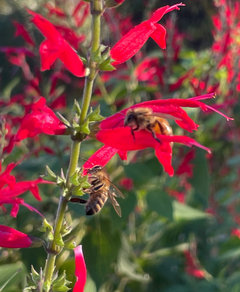
    Our huge Pineapple sage is the biggest food supplier this time

    Mostly honeybees

    Mexican sage is visited by larger bees


    arbordave (SE MI) thanked forever_a_newbie_VA8
  • 9 months ago

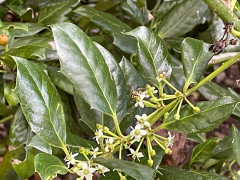
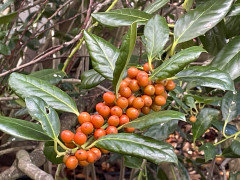
    Good morning – I have always thought that the plant in the upcoming photos is Ilex 'Nellie R. Stevens'. I took these photos yesterday – Oct 24, 2025. I wanted to get some pics of the berries and noticed clusters of flowers on adjacent branches, and on one of the flowers I noticed what I think is a Bald-Faced Hornet. I did a bit of research - Bald-Faced Hornets are considered incidental and supplementary pollinators and they forage on nectar from a wide range of flowering plants and from ripe fruit when the opportunity arises. If it is a Bald-Faced Hornet, I hope he is just passing through – I was stung by one last year trying to eliminate a nest. Also, can anyone tell me if it is unusual for Ilex to produce flowers this late in the season (SE PA Z7a)?


    arbordave (SE MI) thanked raymondz7a
  • 9 months ago
    last modified: 9 months ago

    raymond - it's difficult to tell from the photo if that is in fact a bald-faced hornet, but only the new queens will survive the winter, and you can't predict where they will build their nests next year. Sorry, but I can't help you on the question of the late Ilex flowers, hopefully someone else will chime in.

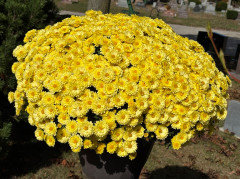
    Took a walk through the local cemetery this afternoon (10/26/25), and even with temps no higher than 50-52F, there were a fair number of honey bees visiting some of the mums. This semi-double yellow variety seemed to be their favorite:


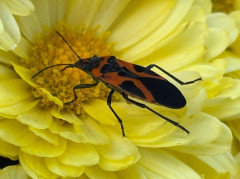
    There were also a few hover flies, and at least one false milkweed bug:


  • 9 months ago

    Ben, yes, sad that they worked so hard all season and then only the Queen comes back in the spring. But, I suppose you could look at it that they get to retire early. [g] For me, it’s the bumblebees just sleeping in the flowers when you come out that is just so darn cute…like a Disney movie…lol.

    FANewbie… I can’t grow a pineapple sage here because it blooms so late and it just seems like a waste of space to grow all season to barely get any bloom before the first frost comes. Does that attract hummers?

    Nice close ups Dave.

    arbordave (SE MI) thanked prairiemoon2 z6b MA
  • 9 months ago

    ' Also, can anyone tell me if it is unusual for Ilex to produce flowers this late in the season (SE PA Z7a)? '


    Did they get fertilized late this season?

    arbordave (SE MI) thanked BillMN-z4a
  • 9 months ago

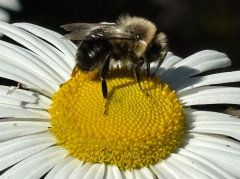
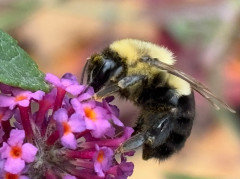
    A late bumblebee on one of the very few flowers left on my butterfly bushes (10/31/25):

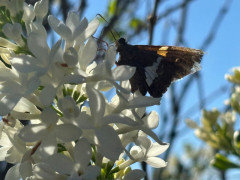
    I believe this is a Celery Looper Moth on one of the mums at the cemetery:

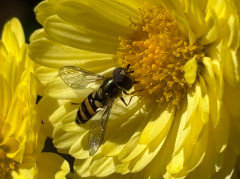
    A variety of hover flies are visiting the Nanking Chrysanthemum in the backyard, which is just reaching peak bloom about now (11/1/25):


  • 9 months ago

    Great close ups Dave!

    arbordave (SE MI) thanked prairiemoon2 z6b MA
  • 8 months ago

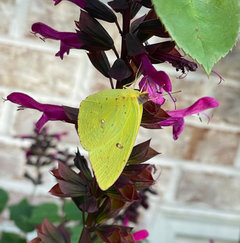
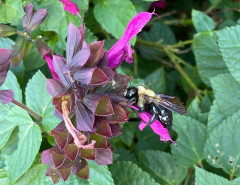
    Surprised to see a sulfur on salvia Rockin ‘s Fuchsia on this mid November day

    A bumblebee too and I missed capturing a few honey bees


    arbordave (SE MI) thanked forever_a_newbie_VA8
  • 8 months ago

    forever - I believe that is a Cloudless Sulphur, a species that is abundant in the Southeast, but uncommon farther north. Per the Alabama Butterfly Atlas,Cloudless Sulphurs "have an exceptionally long proboscis (mouthpart) which allows them to access nectar from long-tubed plants that are inaccessible to other butterflies".

    Your bumblebee appears to be committing "nectar robbery" - cutting a hole in the base of the flower to directly access its nectar. See this BYGL article: Nectar Robbing Criminal Activity

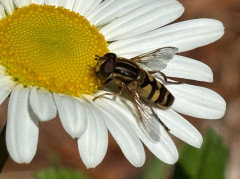
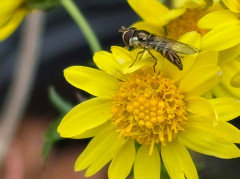
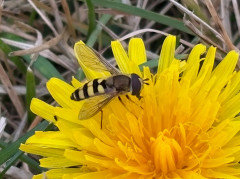
    Winter paid us a visit this past Monday (11/10), with 4-5" of snow and a morning low of 23F, so butterfly season is likely over for me. But the weather did warm enough late in the week to bring out a few other pollinators. American Hoverflies (Eupeodes americanus), a species that feeds on aphids in its larval stage, are still around in good numbers on my Nanking Chrysanthemum. I noticed this one on a dandelion:

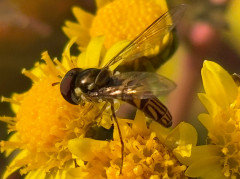
    The Oblique Streaktail (Allograpta obliqua) is another native hoverfly that feeds on aphids in its larval stage:

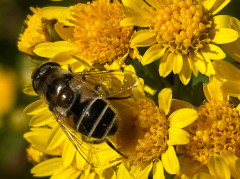
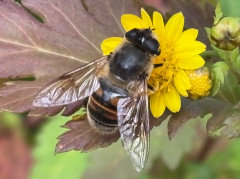
    The European Drone Fly (Eristalis arbustorum) is an introduced species that is now common in most of the US. Its larvae are aquatic:

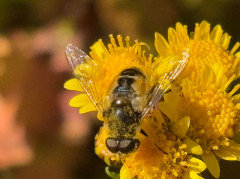
    I'm assuming this little bee is a native, but I'm not sure what species:


  • 8 months ago

    I think Cloudless Sulfurs are the only butterflies that use my cypress vine. I see the most in the fall. I think they migrate a bit so maybe they're headed through my southwest Missouri yard to someplace warmer. They are bigger than other sulfurs and their bright yellow color is striking against the bright red of cypress vine flowers.

    arbordave (SE MI) thanked christie_sw_mo
  • 7 months ago
    last modified: 7 months ago
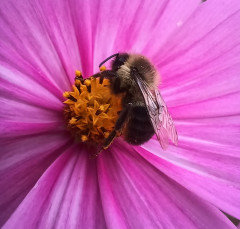
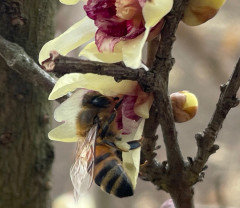
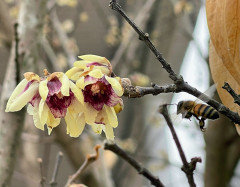
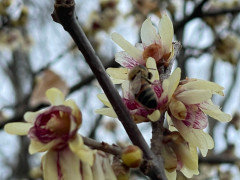
    Wintersweet (Chimonanthus praecox) not only provides color and fragrance in this dead winter, but also supplies the much needed food to dozens or more honeybees


    arbordave (SE MI) thanked forever_a_newbie_VA8
  • 7 months ago
    last modified: 7 months ago
    Maybe OT, but, does it really matter with a thread that's hit > 200 posts?

    A recommendation to watch a doc on PBS called 'Hummingbirds of Hollywood' about a woman who rescues them. Really fascinating and moving. Plenty of imagery of hummers pollinating flowers!

    I'm impressed you have bees now FANVA8. If we stay mild though, ours will catch up. My wintersweet isn't blooming yet, but amazingly, Camellia 'Dream Angel' still looks like it's in flower, in spite of the flowers being somewhat damaged. I recommend you seek that cultivar out if you like winter blooms. Almost Eden has been selling small plants of the Bobby Green cultivars for a reasonable price. Cam Forest has them too.

    arbordave (SE MI) thanked UpperBayGardener (zone 7)
  • 7 months ago
    @UpperBayGardener (zone 7), good idea!

    @arbordave (SE MI), could we have a new 2026 pollinator thread

    @UpperBayGardener (zone 7), I am a bit warmer than you (zone 8b). That is probably why we sometimes still see honeybees. In a few weeks when the Prunus mume blooms, there will be hundreds of them buzzing around! I always look forward to seeing them just as the flowers and fragrance. Thanks for recommending Camellia 'Dream Angel' I will look for it in the spring.

    arbordave (SE MI) thanked forever_a_newbie_VA8
  • 7 months ago
    last modified: 7 months ago
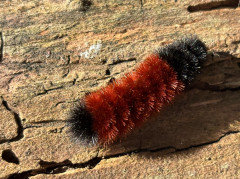
    Since honeybees form a warmed cluster and don't hibernate, they can come out anytime it's warm enough, even in mid-winter. Of course, there usually aren't any nectar sources then, but I remember my bees quite active on a very mild mid-winter day, and found out they were doing "housekeeping", carrying out feces, dead bees and other debris from the hive at those times.

  • 7 months ago

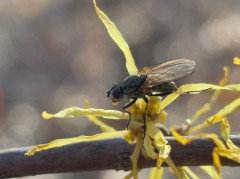
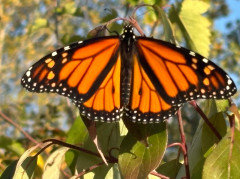
    forever - nice photos, I especially like the 3rd pic of the honey bee in flight. It's also nice to see your wintersweet in bloom, it will probably be a couple months before anything begins to flower here. My Arnold Promise witch-hazel generally starts flowering in mid-March, and even on those relatively cool days I usually see a fly or two visiting, with honey bees showing up on the warmer days. It's notable that for 2025, the very last pollinator I noticed was a fly on a native witch-hazel in the woods across the road (11/23/25):

    Of all the pollinators I observe at my location, flies are typically "the first to come and the last to leave". Flies as an insect group (Diptera) are actually more important as pollinators than most people realize, second only to bees and wasps (Hymenoptera), per this article from the BYGL (June 2024): Remember the Forgotten ...

    UBG - I second the recommendation of PBS's Nature show "Hummingbirds of Hollywood". A must-see for all hummingbird lovers.

    Regarding starting a new pollinator discussion for 2026, unless I get a chance to visit a butterfly conservatory this winter I probably won't have anything to post for a little while yet. So others in warmer zones (forever?) are welcome to kick things off for the new year if they are so inclined ...

  • 7 months ago
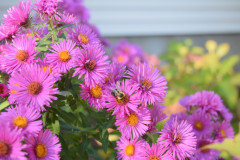
    @arbordave (SE MI), I remember your witch-hazel flowers and it is the first photo in this thread. It does look similar to wintersweet. Light gentle and sweet
    arbordave (SE MI) thanked forever_a_newbie_VA8
  • arbordave (SE MI) thanked forever_a_newbie_VA8