Software
Houzz Logo Print
janmarie14

How can I make this front yard pop?!

last year
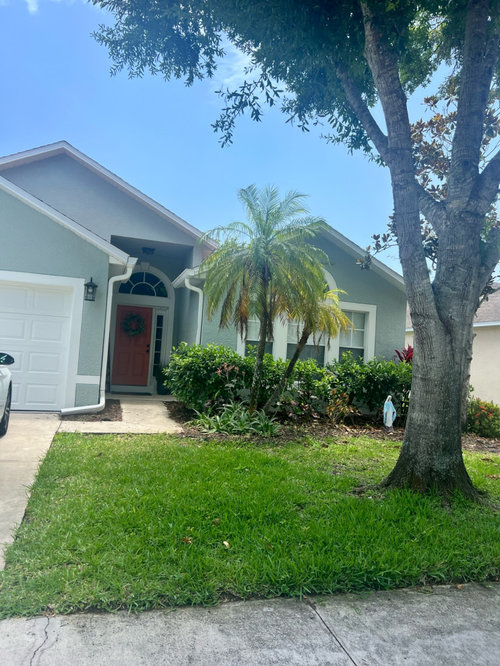
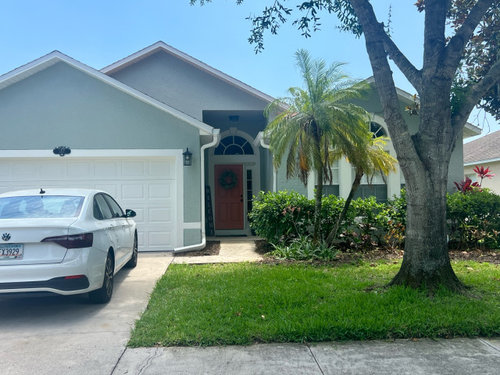
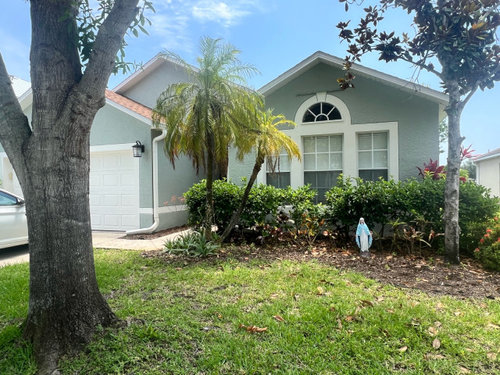
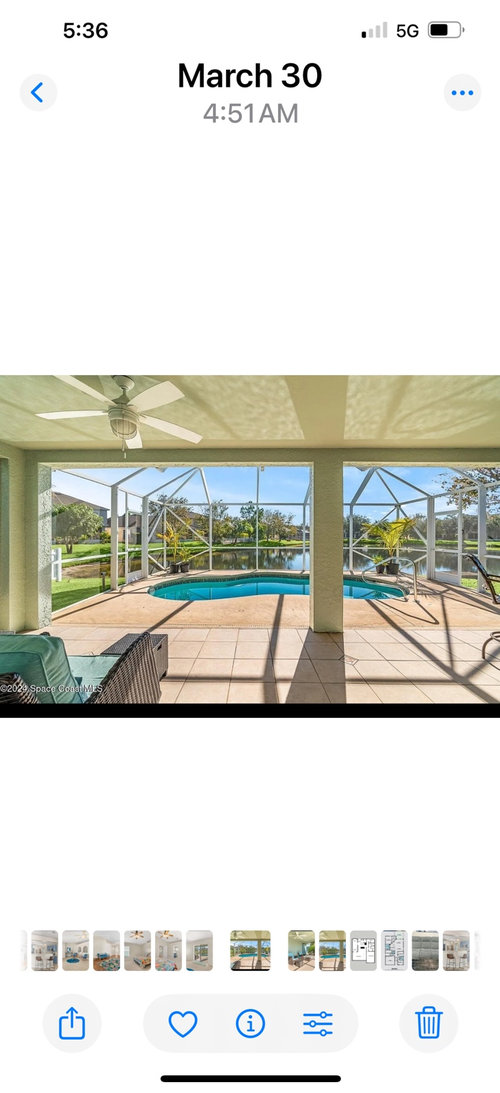
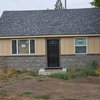
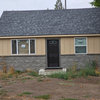
Greetings Houzzers! Hubby and I recently relocated to South Central Florida for his new job. We downsized since we’re about six years away from retirement and are now empty-nesters. Darling daughter still in college so funds are tight, but I would love to do something to make this front exterior much more presentable. It seems the former owners did much more for the backyard (see last photo) than the front exterior. Any suggestions on bushes, trees, anything like that would be great! The houses in this neighborhood have very tiny driveways we could barely fit both cars, let alone our daughter’s car or guests who come to stay. The large tree in the front bothers me, but we just don’t want to spend the money right now with a new house. Plus, I’m sure we have to get it approved through the HOA. I’m just thinking of some aesthetic things that can help with curb appeal, but I don’t have a vision or that kind of talent for DIY landscaping idea, ideas. My husband always says I’m the planner and he’s the executor so any suggestions would be so welcome, please and thank you!

Comments (11)

  • last year

    No cost to see how things look with the existing bushes trim and the small statue moved to the back.

  • last year

    I don’t like the front-and-center tree either.

    The next thing to be done is trim those straggly shrubs down. It would be best if they were no taller than the windowsills. If it was me, I’d remove them entirely and replace with a very short, handsome groundcover. Only ONE type of groundcover, not 2 of those, 5 of these, etc.

  • last year

    You've got a bunch of bare mulch from the statue to the tree. Put in colorful flowers. Your door looks like it is coral, so I'd do coral flowers. Start with annuals, if you don't know what perennials to plant. (I don't either, I'm a Mainer). Lots of flowers, particularly if they go with your do will do wonders.

  • PRO
  • last year


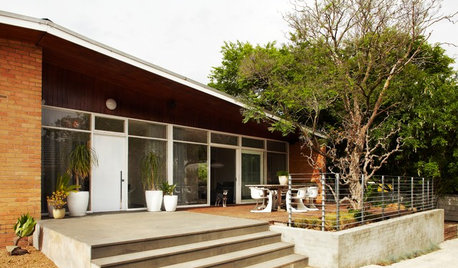
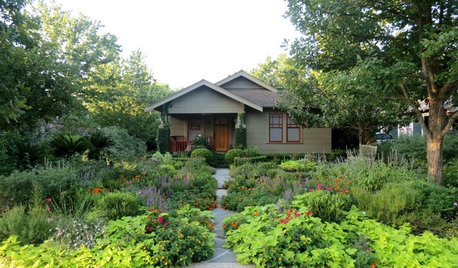
    convert your tiny space into a no mow lawn like this one. What plant selections to use in Fla, I have no idea. Ask local sources for suggestions.

  • last year

    Thank you everybody, to Dan, I was so mad when I drove up yesterday and saw my husband had put our Catholic Mary statue in the front. I didn’t want it in the front. It’s just a sentimental statue we’ve had for our whole long marriage. I asked him to remove it so that will be gone!

  • last year

    Thank you everyone you have so many wonderful ideas and my husband will love converting it into a no-mow lawn!!

  • last year

    From Grok for your husband-

    Recommended Plants

    These plants are drought-tolerant (once established), pest-resistant, and thrive in Florida’s sandy, well-drained soils. They offer vibrant colors and textures, with minimal pruning or fertilizing needs.

    1. Lantana (Lantana camara)
    • Height: 1-2 feet
    • Color: Multicolored blooms (pink, yellow, orange, purple, white)
    • Features: Evergreen, blooms year-round, attracts butterflies, drought-tolerant.
    • Care: Minimal; trim back if it gets leggy. Tolerates poor soil.
    • Light: Full sun to partial shade.
    • Use: Border edges or mass plantings for vibrant color patches.
    1. Pentas (Pentas lanceolata)
    • Height: 1-2 feet
    • Color: Red, pink, white, or lavender star-shaped flower clusters.
    • Features: Blooms continuously, attracts pollinators, evergreen.
    • Care: Low; occasional deadheading promotes blooming. Well-drained soil.
    • Light: Full sun to light shade.
    • Use: Central or mixed beds for pops of color.
    1. Blanket Flower (Gaillardia pulchella)
    • Height: 1-2 feet
    • Color: Red, yellow, and orange daisy-like flowers.
    • Features: Native, drought-tolerant, blooms spring to fall.
    • Care: Minimal; deadhead to extend blooming. No fertilizer needed.
    • Light: Full sun; tolerates some shade but blooms best in sun.
    • Use: Scattered in sunny areas for bold contrast.
    1. Dwarf Ixora (Ixora coccinea ‘Petite’)
    • Height: 1-2 feet
    • Color: Red, orange, pink, or yellow flower clusters.
    • Features: Evergreen, glossy foliage, blooms year-round in warm weather.
    • Care: Low; prefers slightly acidic soil, occasional pruning.
    • Light: Full sun to partial shade.
    • Use: Foundation planting or low hedges near the house.
    1. Blue Daze (Evolvulus glomeratus)
    • Height: 6-12 inches
    • Color: Bright blue flowers, silvery-green foliage.
    • Features: Groundcover, blooms spring to fall, drought-tolerant.
    • Care: Minimal; water during establishment, then low needs.
    • Light: Full sun; tolerates light shade.
    • Use: Groundcover to fill gaps or edges.
    1. Society Garlic (Tulbaghia violacea)
    • Height: 1-2 feet
    • Color: Lavender-pink flower clusters, grassy foliage.
    • Features: Evergreen, mild garlic scent deters pests, edible flowers.
    • Care: Low; divide clumps every few years if needed.
    • Light: Full sun to partial shade.
    • Use: Borders or accents near pathways.
    1. Beach Sunflower (Helianthus debilis)
    • Height: 1-2 feet
    • Color: Bright yellow flowers.
    • Features: Native, fast-spreading groundcover, blooms year-round.
    • Care: Very low; thrives in sandy soils, no fertilizer needed.
    • Light: Full sun; tolerates some shade.
    • Use: Filler for sunny areas or under tree edges.
    1. Muhly Grass (Muhlenbergia capillaris)
    • Height: 2-3 feet (with blooms)
    • Color: Pinkish-purple airy flower heads in fall, green foliage.
    • Features: Native, ornamental grass, drought-tolerant.
    • Care: Low; cut back in late winter to refresh.
    • Light: Full sun to partial shade.
    • Use: Accents or clusters for texture in shadier spots.

    Suggested Layout

    To fill the 20' x 40' yard (800 sq ft), create a layered design that accounts for the central tree’s shade (assuming a 10-15 ft canopy radius) and maximizes color and texture. Here’s a plan:

    • Perimeter/Edges (full sun):

      • Plant Lantana and Blue Daze along the outer 2-3 feet of the yard’s borders (front, sides, and back near the house). Use Lantana for vibrant color blocks (e.g., yellow and purple varieties) and Blue Daze as a low groundcover to soften edges.
      • Estimated coverage: ~200 sq ft (2-3 ft wide strip around 80 ft perimeter).
      • Spacing: Lantana 18-24” apart, Blue Daze 12-18” apart.
    • Near House (foundation planting, partial shade):

      • Use Dwarf Ixora and Society Garlic in a 3-4 ft wide bed along the house front. Alternate Ixora (red or orange) with Society Garlic for contrasting colors and textures.
      • Estimated coverage: ~120 sq ft (3 ft x 40 ft).
      • Spacing: Ixora 18” apart, Society Garlic 12” apart.
    • Central Area (around tree, partial shade):

      • Plant Pentas and Muhly Grass in clusters under and around the tree’s canopy for color and texture. Pentas provide bright blooms, while Muhly Grass adds airy structure.
      • Estimated coverage: ~200 sq ft (circular area under tree, ~15 ft radius).
      • Spacing: Pentas 18” apart, Muhly Grass 24” apart in small groups.
    • Remaining Sunny Areas:

      • Fill open spaces with Blanket Flower and Beach Sunflower for bold yellows and reds. These natives spread naturally, filling gaps.
      • Estimated coverage: ~280 sq ft (remaining open areas).
      • Spacing: Blanket Flower 12-18” apart, Beach Sunflower 18-24” apart.

    Planting and Maintenance Tips

    • Soil Prep: South Florida soils are sandy and low in nutrients. Amend with compost or organic matter for better water retention, especially for Ixora and Pentas. Ensure good drainage to prevent root rot.
    • Irrigation: Water regularly during the first 6-8 weeks to establish plants. Once established, most of these plants are drought-tolerant and need watering only during extended dry spells.
    • Mulch: Apply 2-3 inches of organic mulch (e.g., pine bark) to retain moisture, suppress weeds, and keep the yard tidy.
    • Maintenance: Trim Lantana or Ixora if they overgrow. Deadhead Pentas and Blanket Flower occasionally to encourage blooms. Cut back Muhly Grass in late winter. No heavy fertilization needed—use a slow-release fertilizer sparingly in spring if growth seems slow.
    • Pest Control: These plants are generally pest-resistant. Society Garlic’s scent deters some insects. Monitor for aphids on Lantana or Pentas; rinse off with water if needed.
  • PRO
    last year

    Since you are in an HOA. What are their rules, what do they allow or not in the front yard? People are offering and going to offer great suggestions. But the HOA gets to decide what you can do in your yard. If you don't know those rules yet, look them up. Some HOA's seem pretty relaxed, others have some very definite rules.

  • PRO
    last year
    last modified: last year

    Flower bed under the tree plus walking path.


  • last year

    I love this!!!