Software
Houzz Logo Print
dillybeansown

Roundup or RRD?

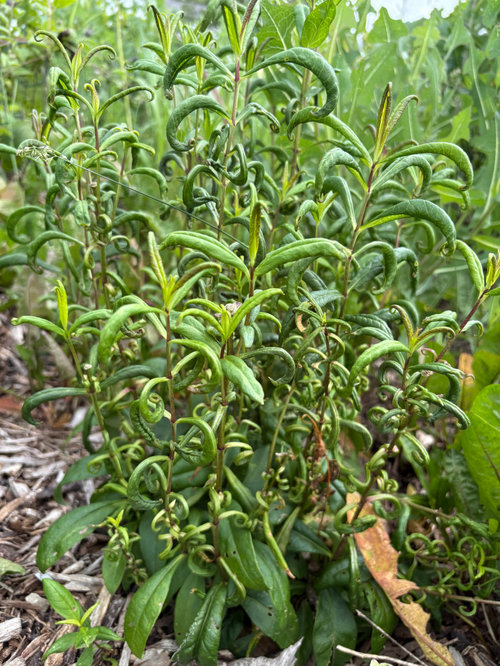
We had some very widespread herbicide damage this spring, when a neighboring field sprayed. Probably half of my plants were affected - hundreds. It was terribly upsetting. lol.


Many of my roses were also affected, but I tried not to rip them all out in a frenzy since I knew the damage was due to the herbicide, even though it looked an awful lot like RRD.

True enough, over the last month or two they have mostly outgrown it, and the vast majority of them are finally putting out some normal growth.


I am now stuck with the dilemma, however, whenever I see twisted, malformed growth on my roses, of whether it is RRD or lingering damage. I have a couple roses that are showing discoloration and twisted growth, even though none of them have the traditional "witches broom", or the excessive growth where the base of the stem emerges very plump -(if you are familiar with Rosette you will know what I mean).


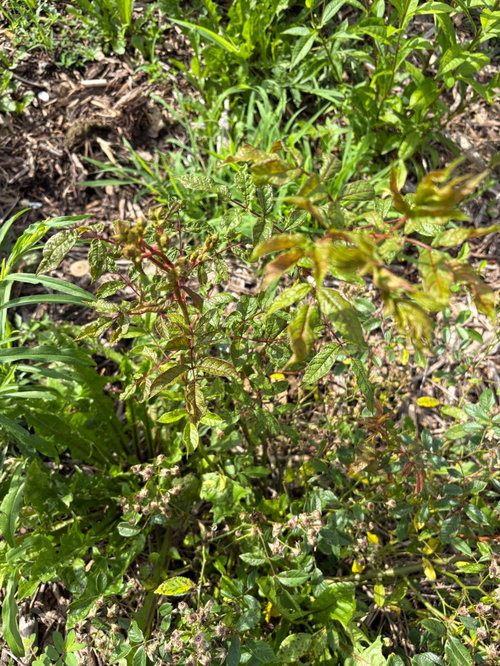
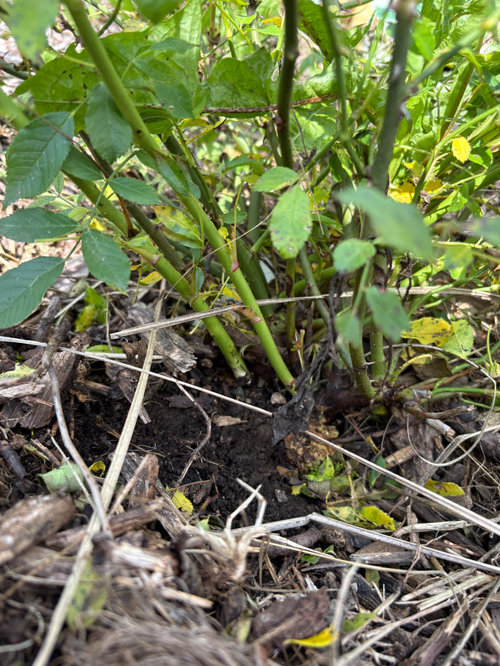
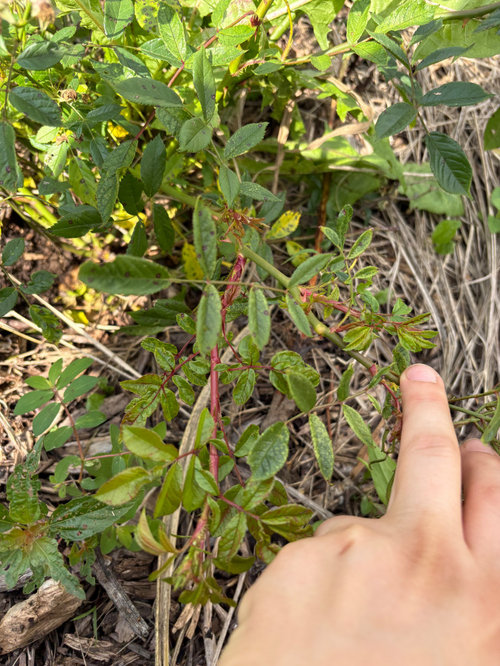
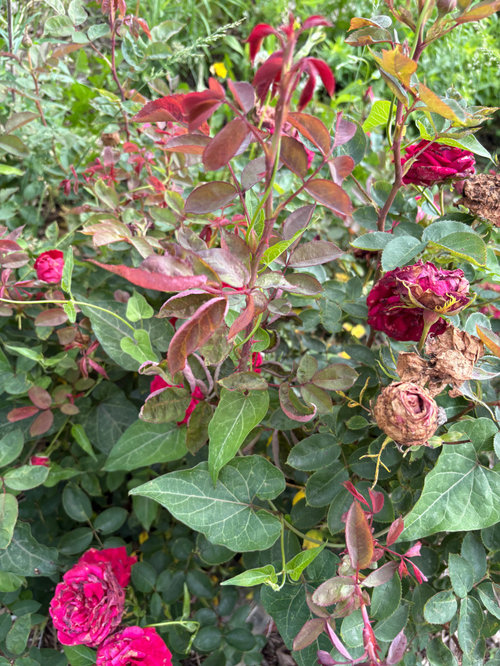
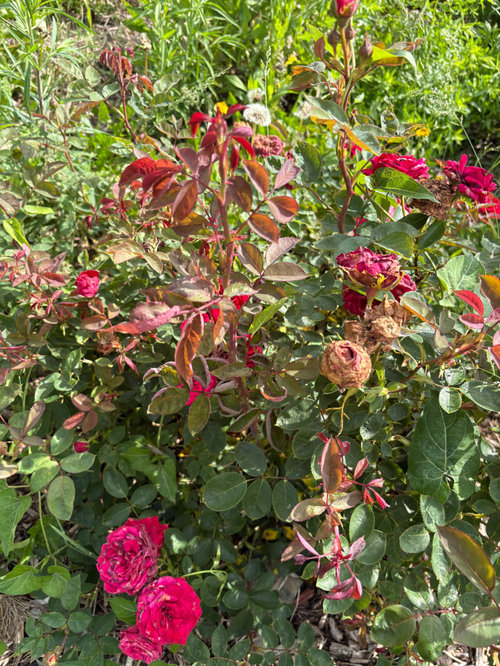
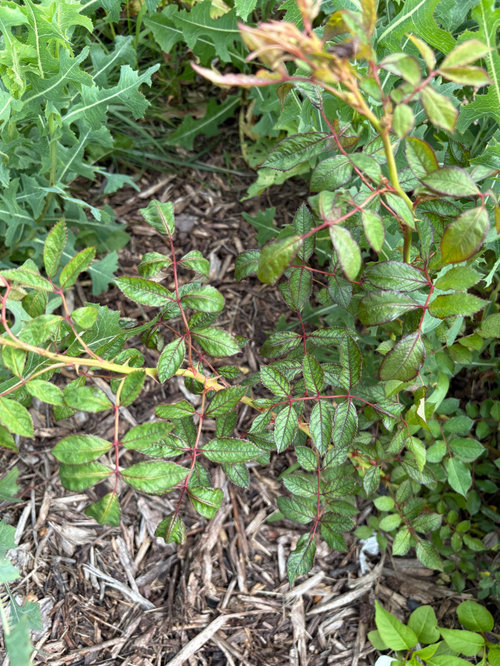
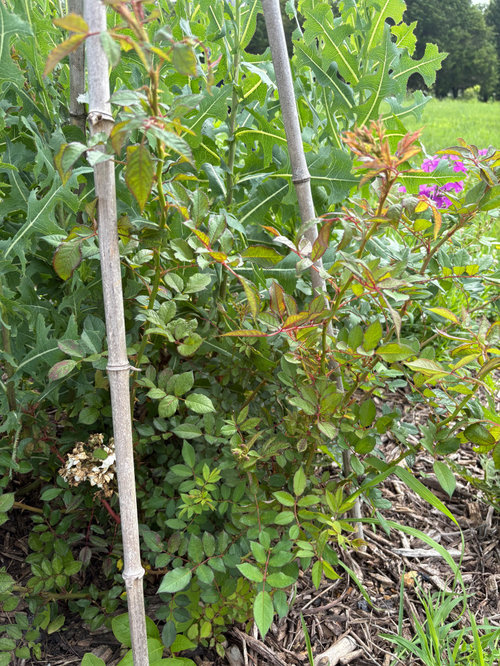
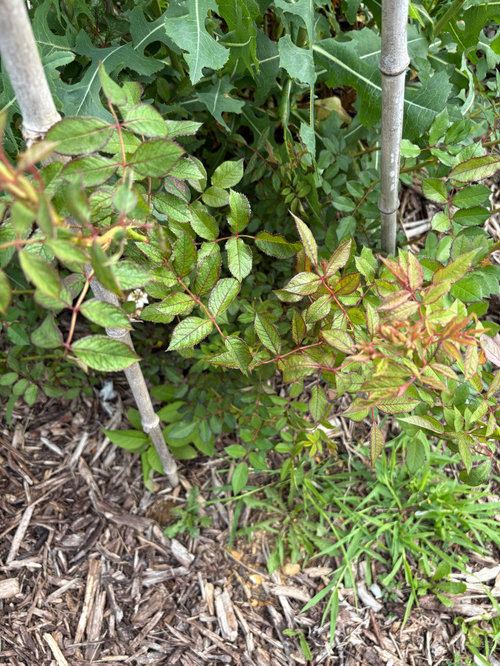
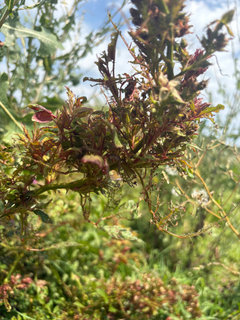
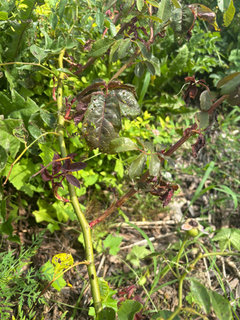
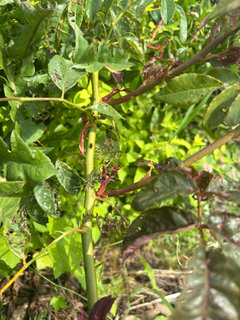
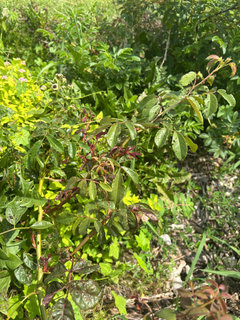
Including pictures (i know my garden is terribky weedy) of the concerning roses, as well as a couple other plants that are still showing damage to give you an idea of how widespread and lingering it was/is. Would appreciate some feedback from those of you who live in rosette infested areas and can help give me a second opinionespecially if you are also familiar with herbicide damage! Many thanks!


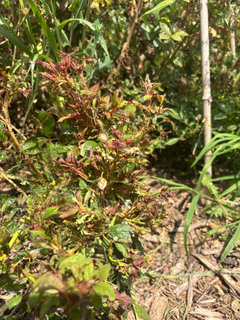
rose A:


healthy base:


Rose B:


Rose C:


Phlox with malformed, stunted growth:


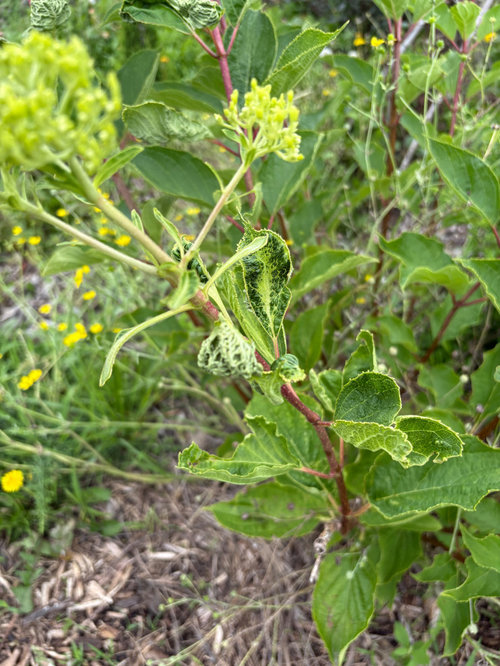
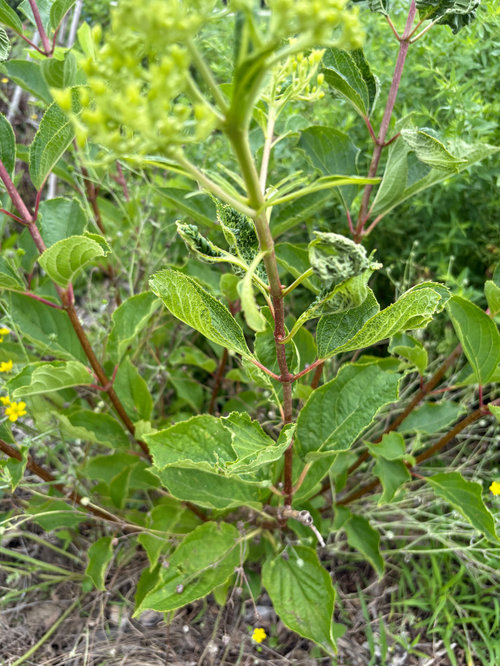
hydrangea with twisted growth and discoloration:


I realize that none of these are horrific obvious RRD, but I try to be extremely vigilant and I've learned to recognize early signs since that is often the only way I can save a Rose and/or keep it from spreading. We live in a heavily infected area and I typically have quite a few roses that become infected every year, but most of the time I am able to save it if I act find it early enough. I don't want to let this stuff linger in my garden if this truly is rosette rather than herbicide damage. I am very familiar with rosette, but extremely unfamiliar with roundup damage, which is why I'm seeking second opinions!

Comments (12)

  • 2 months ago
    last modified: 2 months ago

    The easiest way (and it's still tough) to tell the difference is the thorns. If the thorns are still normal in number and type (not soft or rubbery, not hugely numerous), then it's most likely Roundup. Ignore the distorted leaves and discoloration. Those come with RU, too. It's the thorns. Also, with RU, the new stems will not be abnormally thickened, i.e., not thicker than the cane they sprout from. Roundup generally doesn't cause witches brooms, either. But again, the thorns are the real tell tale.

    Dillybeansown (6b in the Ozarks) thanked fig_insanity Z7b E TN
  • 2 months ago
    last modified: 2 months ago

    I agree with fig. I see no RRD. No expert on RRD, here, just a victim. I had it 3 yrs ago, got the bushes out, ASAP, and it has not reocurred since then, thank God. I don't know where my infestation came from. My rose garden is very isolated....no other rose bushes in my neighborhood!

    Only 2 bushes, close but not adjacent to each other, were infected. They were among the oldest bushes in the garden: a venerable, old Lady Ashe, just about maxed out to almost 12' across on a 4' fence, and an equally regal, much loved Quietness (her crown was ~12" across!). Quietness and Lady Ashe came from Chamblee's nursery, Tyler TX, way back when it rocked. Who knows what's going on with it now a days. It went down hill after Mark Chamblee retired/sold it. Sorry for the divergence.

    My advice is to just relax, watch them carefully, giving those roses good care, and I predict you will see restored bushes everywhere...no RRV anywhere.

    Moses.

    Dillybeansown (6b in the Ozarks) thanked Moses, Pitt PA, cold W & hot-humid S, z6
  • 2 months ago

    I'm sorry about all the damage, but I did want to say I'm happy to see you posting!

    Dillybeansown (6b in the Ozarks) thanked Vaporvac Z6-OhioRiverValley
  • 2 months ago

    Thank you all! I appreciate the input! I'll just watch them carefully and hopefully they outgrow it :)


    vaporvac, I've missed being on! life has just been so busy lately. Got 7 kids now :) Thanks for the welcome back!

  • 2 months ago

    Absence of thorn and cane abnormalities are reliable in ruling out early rrd, if only leaflet abnormalities are seen?


    I say no. Are you saying yes, fig and Moses?


    I completely different matter, thank you dilly for your photos showing herbicide spray drift damage on phlox and hydrangea. I’ve not seen that on either before.


    I’m sorry to read about what happened to your garden. Have you asked those responsible for compensation? If so, and if they have declined, consider asking the pro bono division of a firm like this (I found this name on google) for help:


    Brown & Crouppen: This is one of the most recognizable and long-established personal injury law firms in the Midwest, boasting a massive regional presence across Missouri and neighboring states.

  • 2 months ago
    last modified: 2 months ago

    I grow 38 roses. About 20 years ago 16 roses got RRD. I was slow on the ball to recognize what happened so I did not stop it early. I say this because with this experience I can recognize RRD. This does not look like RRD.

  • 2 months ago

    Fig I so appreciate your rule of thumb about the rubbery canes and RRD! I had always wondered how I'd ever tell if Quadra had RRD because it's intensely thorny at every stage. Turns out I had one sprig of Quadra that had the thicker canes out of thinner and (intensely) rubbery thorns. I think I it will work pruning that particular cane to the ground and watching carefully as the tallest roses in my yard seem to be most susceptible to RRD, probably because they catch more wind.

    It also helped me reassure myself that some nasty scrawny cholorotic growth on a stunted plant doesn't (yet) look to be RRD, just stunted growth. We'll see if that changes, but it's a great evaluation tool.

    I agree that much of the growth for the OP doesn't look like my experience of RRD.

    Cynthia

  • last month

    Rifis, I appreciate the suggestion to seek compensation. I may pursue that for the plants that aren't recovering.
    It's a frustrating situation, especially as we have kids, considering the toxicity of glyphosphate.


    Updates on roses: leaning towards RRD on two of them, especially Perfume Breeze. Definitely decided the herbicide spray must never happen again. This has been so stressful for me, leaving these monstrosities in the garden this long 😂 Thoughts on the progression of these two? Thorns are still not rubbery, but perhaps that doesn't hold true for all varieties. The local multiflora don't turn very red or get rubbery thorns. They just present with abnormally thick canes and witch's broom. Starting to see what appears to be abbormally thick canes on these two, but PB is so hard to tell because the growth is so distorted.


    Perfume Breeze:


    Cornelia:


  • last month

    Perfume Breeze is coming out ASAP, i don't care too much about that one. I can replace it easily enough. I don't want to lose Cornelia, though, unless I can help it. Harder to replace.

  • last month

    Cornelia sure looks more hopeful.

    Dillybeansown (6b in the Ozarks) thanked Sheila z8a Rogue Valley OR
  • last month

    I wouldn't be too hasty with Cornelia. It looks like normal growth. However PB needs to come out ASAP.

0