

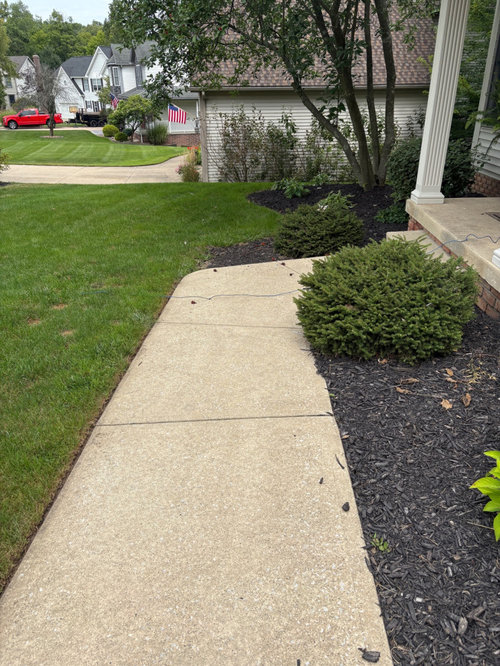
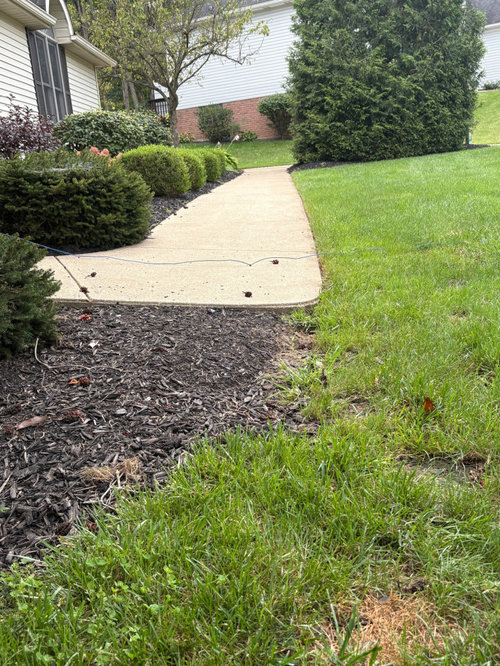
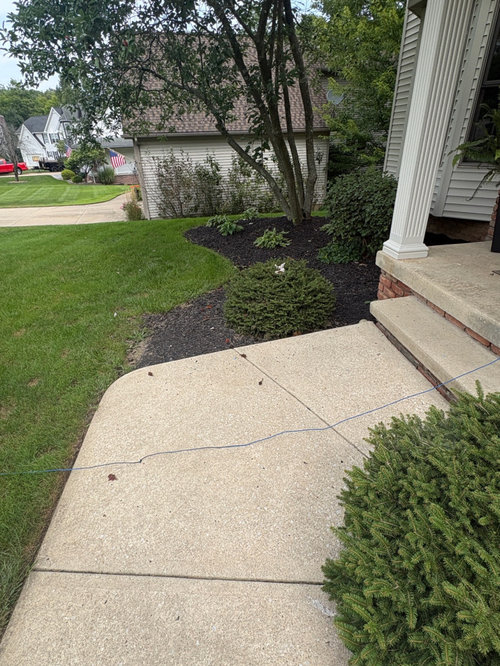
front walk sinking
last month
Sort by:Oldest
Comments (3)

Related Stories
GREAT HOME PROJECTSHow to Give Your Driveway and Front Walk More Curb Appeal
Prevent injuries and tire damage while making a great first impression by replacing or repairing front paths
Full Story
SHOP HOUZZUp to 30% Off Apron-Front Kitchen Sinks
Sink setups that give your hardworking space a farm-fresh update
Full Story0
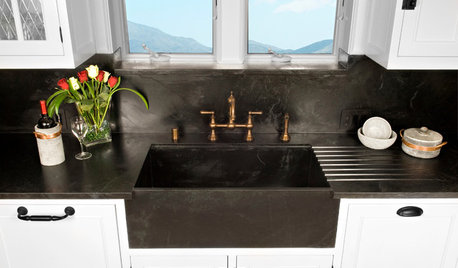
KITCHEN DESIGN8 Apron-Front Sink Styles for Kitchens of All Kinds
Simple or showy, matching or contrasting, apron-front sinks are popping up in kitchens far from the farm
Full Story
SHOP HOUZZSeasonal Front Door Decor
Wreaths, mats, lights and more for a welcoming walk to your door
Full Story0
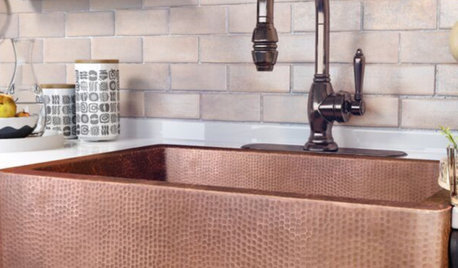
SHOP HOUZZUp to 40% Off Farmhouse Kitchen Sinks and Faucets
Shop apron-front sinks and hardworking faucets for a farm-fresh design
Full Story0
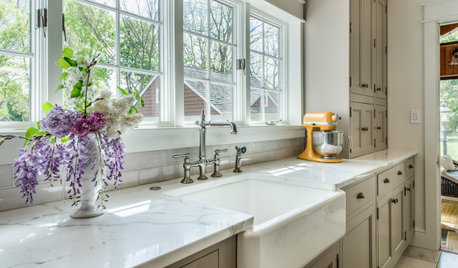
KITCHEN DESIGNHow to Choose the Best Sink Type for Your Kitchen
Drop-in, undermount, integral or apron-front — a design pro lays out your sink options
Full Story
PORCHES10 Welcoming Front Porches Ready for Warm Weather
Designers have created inviting architecture with spaces fit for enjoying wildlife, nature and people walking by
Full Story
KITCHEN DESIGNYour Kitchen: Farmhouse Sinks
These extra-deep and minimal sinks can go from country to jet set
Full Story
ADDITIONSAn Addition Creates More Living Space Out Front
A small addition transforms a cramped New Zealand bungalow into a modern light-filled home
Full Story
KITCHEN DESIGNKitchen Sinks: Slate Surfaces Rock for Strength and Style
Go for a sandblasted pattern or keep it simple — slate sinks show quality and promise durability no matter how you roll
Full Story

littlebug Zone 5 Missouri
cat_ky
Related Professionals
Anniston Landscape Architects & Landscape Designers · Peoria Landscape Architects & Landscape Designers · Madison Landscape Architects & Landscape Designers · Bemidji Landscape Contractors · Manhattan Landscape Contractors · Bainbridge Bathroom Remodelers · Fredericksburg General Contractors · Oneonta General Contractors · Leominster Interior Designers & Decorators · Portland Interior Designers & Decorators · Beatrice Home Remodeling · San Bernardino Home Remodeling · Portland Home Remodeling · Cornwall Home Remodeling · Fall River Bathroom RemodelersSoutheastern Renovation