

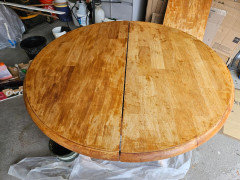
Can I stain this tabletop?
11 days ago
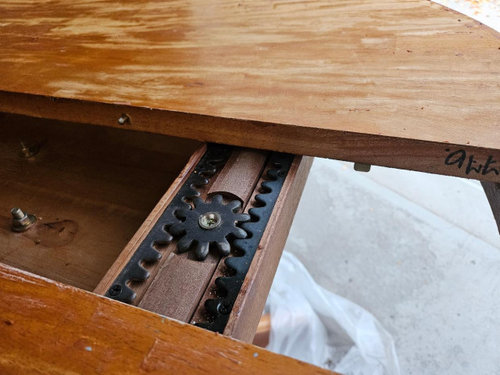
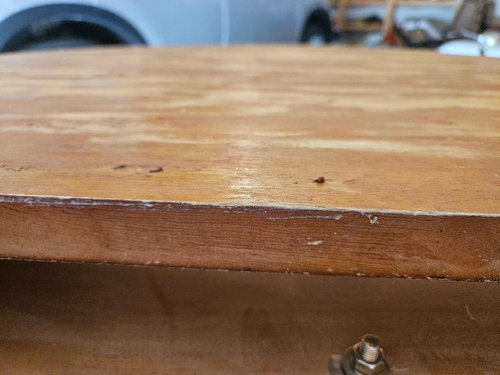
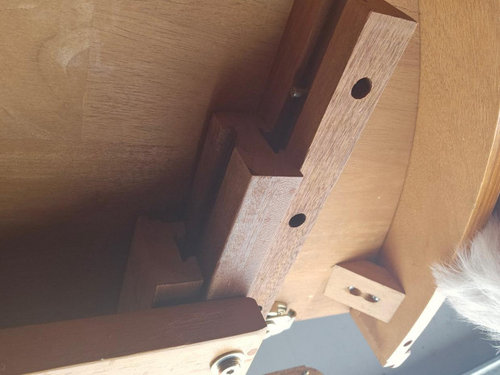
Featured Answer
Sort by:Oldest
Comments (7)
Related Professionals
Pittsburg Cabinets & Cabinetry · York Cabinets & Cabinetry · Corpus Christi Cabinets & Cabinetry · Newport News Cabinets & Cabinetry · Fargo Cabinets & Cabinetry · Lansing Carpenters · Saint Marys Carpenters · Cowansville Carpenters · Pittsfield Furniture & Accessories · Murrieta Furniture & Accessories · Cape Coral Carpenters · Saint George Carpenters · Vancouver Carpenters · Morgan City Cabinets & Cabinetry · Southaven Cabinets & Cabinetry- 6 days ago
- 4 days ago
 PRO4 days ago



Related Stories
LIFEThe Polite House: How Can I Kindly Get Party Guests to Use Coasters?
Here’s how to handle the age-old entertaining conundrum to protect your furniture — and friendships
Full Story
LAUNDRY ROOMSWhere Can I Hide My Laundry Area?
It’s a case of now you see it, now you don’t with these 10 clever ways of fitting in a laundry zone
Full Story
LIVING ROOMSIdeabook 911: How Can I Make My Living Room Seem Bigger?
10 Ways to Make a Small Space Live Large
Full Story
FUN HOUZZEverything I Need to Know About Decorating I Learned from Downton Abbey
Mind your manors with these 10 decorating tips from the PBS series, returning on January 5
Full Story
CHRISTMASHoliday DIY: Charming Wooden Tabletop Christmas Tree
Combine dowels, evergreen branches, gold wire and ornaments to create a holiday tree you can use for years
Full Story
KITCHEN CABINETSPainted vs. Stained Kitchen Cabinets
Wondering whether to go for natural wood or a painted finish for your cabinets? These pros and cons can help
Full Story
ART8 Ways Vermeer’s Work Can Make Its Mark in Your Home
Go Dutch with stained glass, Oriental rugs, checkered floors and delft tile
Full Story
KITCHEN DESIGNSingle-Wall Galley Kitchens Catch the 'I'
I-shape kitchen layouts take a streamlined, flexible approach and can be easy on the wallet too
Full Story
DECORATING GUIDESColor Your Home's View With Stained Glass
Interiors get an enchanting perspective with stained glass windows, doors and fixtures that dapple the light
Full Story
KITCHEN DESIGNThe Cure for Houzz Envy: Kitchen Touches Anyone Can Do
Take your kitchen up a notch even if it will never reach top-of-the-line, with these cheap and easy decorating ideas
Full Story
dan1888