

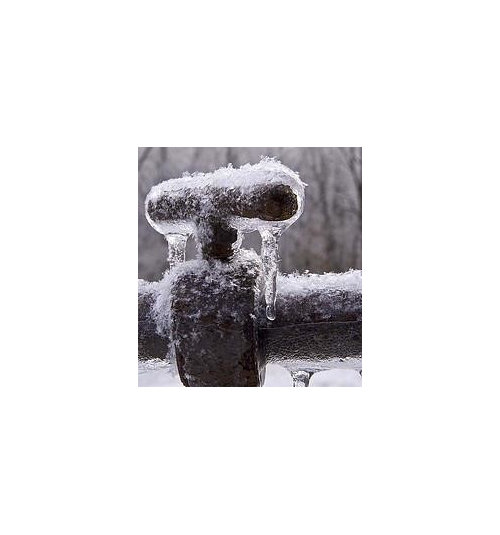
frozen water pipes
12 years ago
Comment

Related Stories
LANDSCAPE DESIGNHow to Move Water Through Your Landscape
Swales, underground pipes or a mix of both: There’s more than one way to distribute water in the garden
Full Story
KITCHEN DESIGNKitchen of the Week: A Burst Pipe Spurs a Makeover
Once dark and clunky, this compact kitchen in a 1962 ranch is now light, bright and cheerful
Full Story
BATHROOM DESIGNSink Pipes Worth Seeing
Decorative Options Let You Get Creative With Those Fixtures Under the Sink
Full Story
SAVING WATER11 Ways to Save Water at Home
Whether you live in a drought-stricken area or just want to help preserve a precious resource, here are things you can do to use less water
Full Story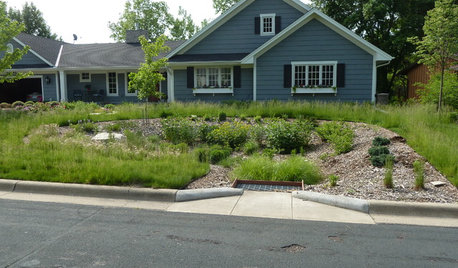
LANDSCAPE DESIGNHow to Design Your Landscape to Spread Water
Water that’s distributed widely will more readily soak into the ground
Full StoryWORKING WITH PROSHow to Work With a Plumber
Follow these guidelines, and your plumbing job will flow as smoothly as water through clean pipes
Full Story
LANDSCAPE DESIGNHow to Design Your Landscape to Sink Water Into the Ground
Learn to infiltrate stormwater, even on challenging sites
Full Story
DISASTER PREP & RECOVERYRemodeling After Water Damage: Tips From a Homeowner Who Did It
Learn the crucial steps and coping mechanisms that can help when flooding strikes your home
Full Story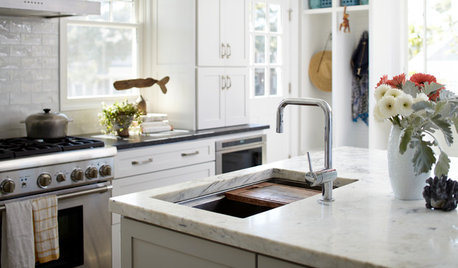
KITCHEN DESIGNKitchen of the Week: Double Trouble and a Happy Ending
Burst pipes result in back-to-back kitchen renovations. The second time around, this interior designer gets her kitchen just right
Full Story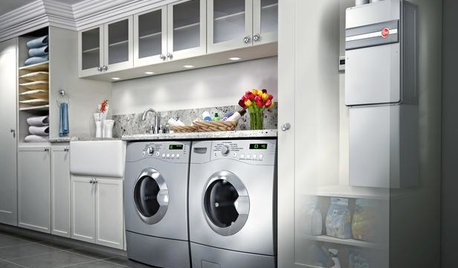
GREAT HOME PROJECTSHow to Switch to a Tankless Water Heater
New project for a new year: Swap your conventional heater for an energy-saving model — and don’t be fooled by misinformation
Full Story
Related Professionals
Killeen Bathroom Remodelers · Beatrice Bathroom Remodelers · Ontario Bathroom Remodelers · Branson General Contractors · Fayetteville General Contractors · Lufkin General Contractors · Victoria General Contractors · Grand Junction General Contractors · Evanston General Contractors · Pine Bluff Interior Designers & Decorators · Athens Interior Designers & Decorators · Chattanooga Interior Designers & Decorators · Providence Interior Designers & Decorators · Victorville Interior Designers & Decorators · Missoula Interior Designers & Decorators