

7 Tips for Creating a Successful E-Decorating Service
Pros who provide online design packages share their experiences and advice on what to offer and how to charge

E-decorating can be a wonderful addition to a designer’s business, especially in this time of social distancing and working remotely. E-design lets you tap into a new pool of potential clients who live far away. It can provide extra income in between full-service projects. Online-only design packages also can serve as an entry point for homeowners who haven’t worked with a designer before or are intimidated by the design process. Many designers find that clients who start off with e-decorating services ultimately decide to go further and sign up for full services. The e-decorating process can help you vet these clients to see if they’re a good fit for you.
If you’re new to e-decorating, you may find that providing full services remotely during the COVID-19 crisis has prepared you for it. You’ve already honed your videoconferencing skills, gotten used to touring spaces virtually and refined your communication strategies. To provide you with further guidance, we’ve spoken with four designers who offer e-decorating packages. They’ve shared a wealth of advice on what to include, how to charge, what to communicate and how to make the experience beneficial for you and your clients. Here are seven key considerations they recommend to help you get started.
If you’re new to e-decorating, you may find that providing full services remotely during the COVID-19 crisis has prepared you for it. You’ve already honed your videoconferencing skills, gotten used to touring spaces virtually and refined your communication strategies. To provide you with further guidance, we’ve spoken with four designers who offer e-decorating packages. They’ve shared a wealth of advice on what to include, how to charge, what to communicate and how to make the experience beneficial for you and your clients. Here are seven key considerations they recommend to help you get started.


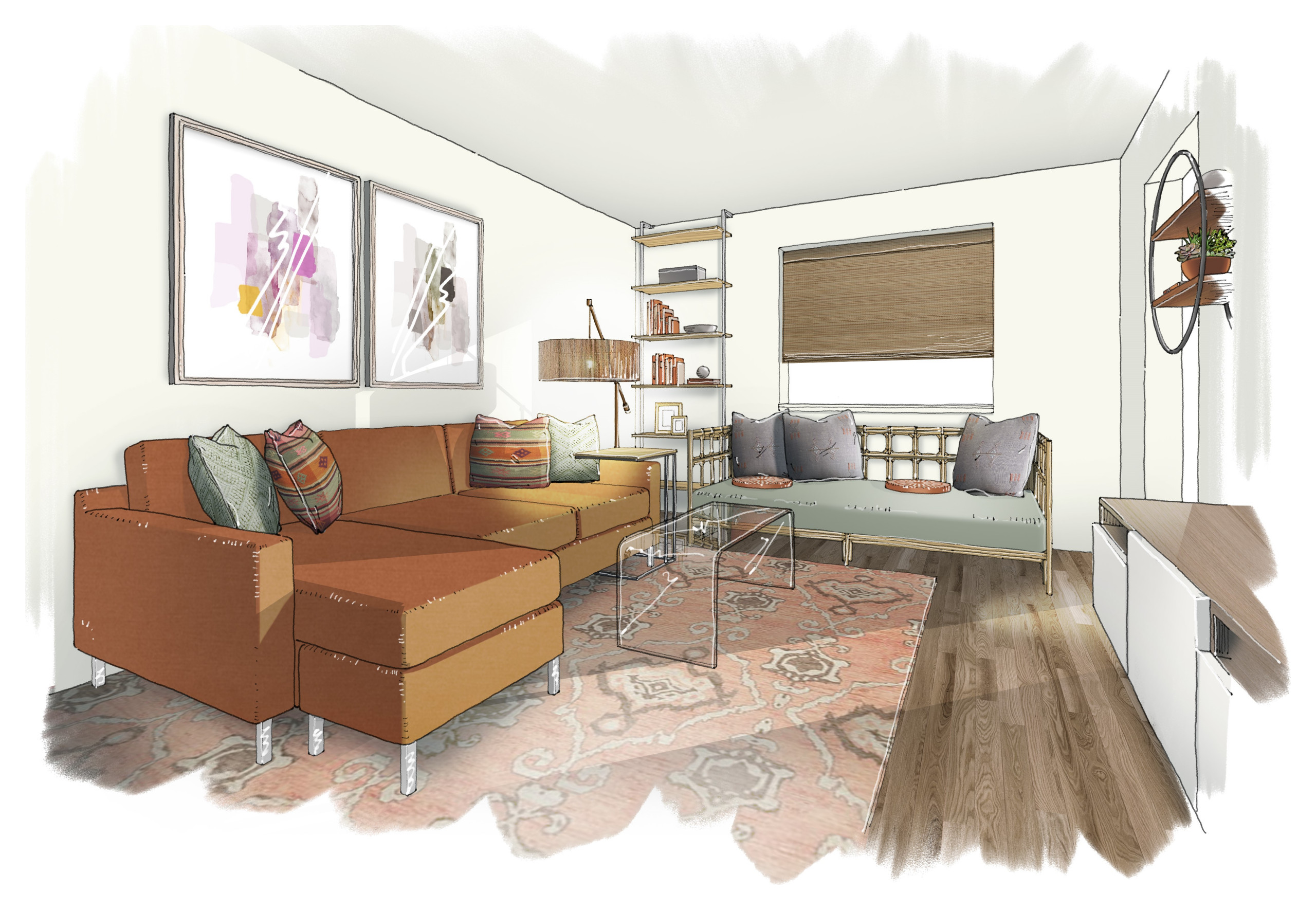
Interior designers Joann Kandrac and Kelly Kole of Kandrac & Kole Interior Designs offer e-decorating packages that vary depending on the room. Their packages range from $800 for a powder room to $1,800 for a kitchen.
After getting to know a client’s goals, budget and style through an introductory phone call and homework they assign to their clients, they take about two to three weeks to deliver a floor plan, moodboards, paint palette, clickable shopping list and their “love notes” about the design.
Find an interior designer on Houzz
After getting to know a client’s goals, budget and style through an introductory phone call and homework they assign to their clients, they take about two to three weeks to deliver a floor plan, moodboards, paint palette, clickable shopping list and their “love notes” about the design.
Find an interior designer on Houzz
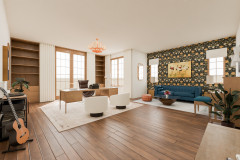
Interior designer Sabrina Alfin offers three tiers of e-decorating packages. Her silver package ($499 per room) includes an initial video consultation, a design package with a moodboard, a CAD floor plan and furniture layout, a color palette, one round of revisions, a 30-minute video presentation consultation and a curated shopping list with links to purchase items. Her gold package ($899 per room) includes an additional moodboard, paint palette and floor plan option. Her platinum package ($1,499 per room) includes a 3D rendering to help her clients visualize the final result. Her clients can start off with the least expensive option and then upgrade if they wish.
Watch our webinar Virtual Design, Diversified Service Offerings and Staying Connected During COVID-19
Watch our webinar Virtual Design, Diversified Service Offerings and Staying Connected During COVID-19
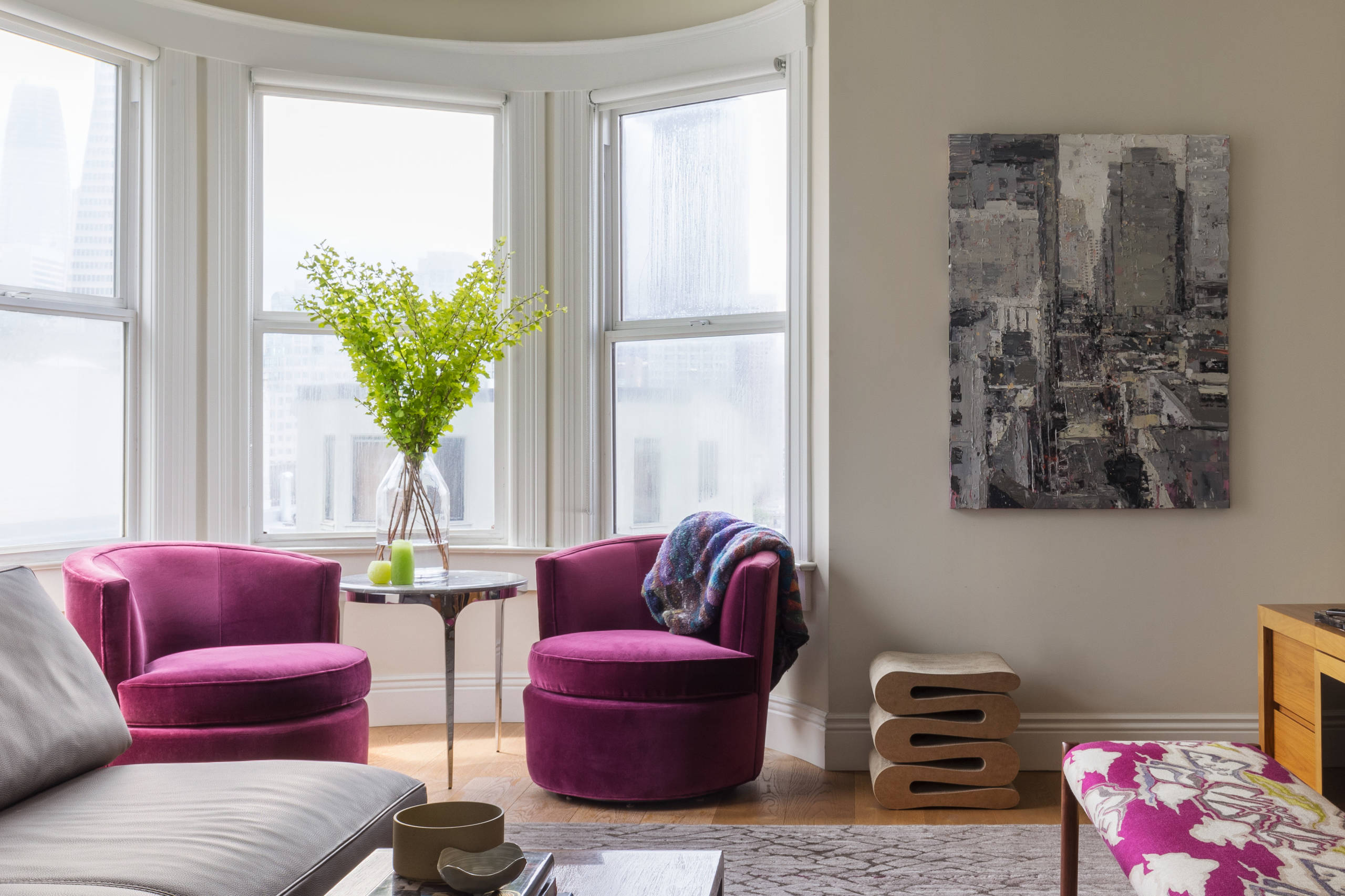
Balancing the time an e-decorating package takes with how much you want to include to feel good about the value a client will receive and what you charge can take some trial and error. As you gain more experience with e-decorating, you may adjust your packages and pricing to improve the client experience and to make e-decorating worth your time.
Interior designer Ellen Nystrom first tested out the e-decorating landscape years ago by signing up with large online decorating companies. “I found I had to skip important steps when I had to work within their set services and prices,” she says. When she decided to create her own e-decorating service, she wanted to offer something more expansive to improve the client experience. “I wanted to tailor my e-decorating service to function more like my usual design process so that I could be more thorough,” she says.
With her e-decorating service, clients still buy items themselves through retail sources, and she doesn’t include services such as custom built-ins or bedding. But she offers a number of meetings and revisions, just as she would with full services. This includes more follow-up meetings via videoconferencing, revisions and tweaks. Her packages start at $3,500 per room.
Introducing Video Meetings With Houzz Pro
Interior designer Ellen Nystrom first tested out the e-decorating landscape years ago by signing up with large online decorating companies. “I found I had to skip important steps when I had to work within their set services and prices,” she says. When she decided to create her own e-decorating service, she wanted to offer something more expansive to improve the client experience. “I wanted to tailor my e-decorating service to function more like my usual design process so that I could be more thorough,” she says.
With her e-decorating service, clients still buy items themselves through retail sources, and she doesn’t include services such as custom built-ins or bedding. But she offers a number of meetings and revisions, just as she would with full services. This includes more follow-up meetings via videoconferencing, revisions and tweaks. Her packages start at $3,500 per room.
Introducing Video Meetings With Houzz Pro
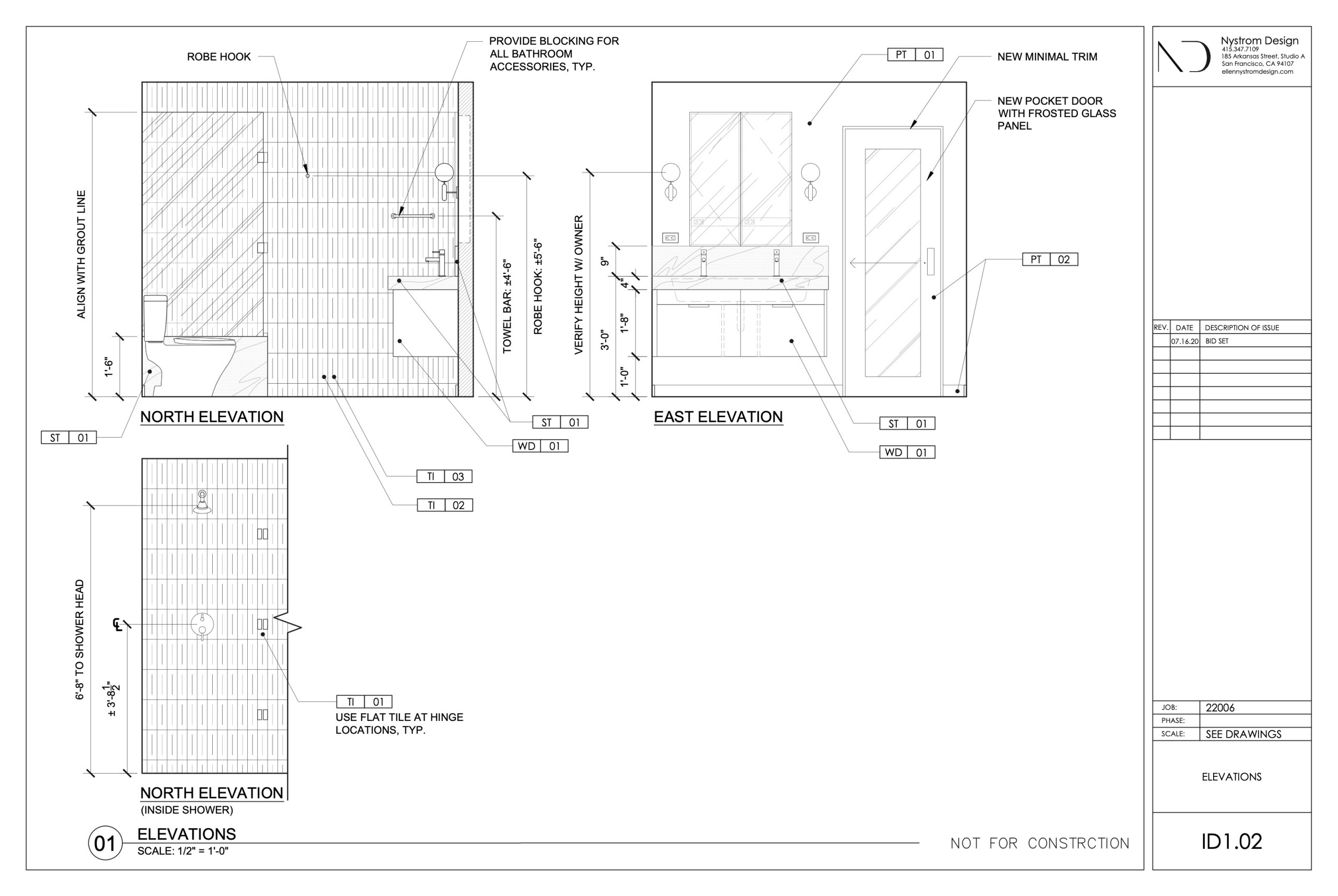
After gauging demand, Nystrom also created an e-decorating bathroom package. This service includes an important full-service deliverable: bid sets. Her clients appreciate having these drawings so their contractors can use them to formulate estimates. She charges $7,500 for this service.

2. Develop a Clear Communication Process
Another part of the package is the designer’s time. Figuring out how much of your time the package will take is key to setting a price. The price will need to balance affordability for your clients and a decent hourly rate for you.
Figuring out how much time you’ll spend on communicating with your client is key to determining the price. Decide how you’ll communicate and make clear how much time you’ll spend consulting as part of the package. In e-decorating, this needs to be smart, efficient and more limited than the amount of communication you offer with full services.
For example, a package may include an introductory email, a more thorough videoconference consultation after you’ve received the client’s homework and analyzed it and one follow-up phone call after they’ve received their deliverables. Explain your process clearly on your website.
Some designers will follow up after the clients have the deliverables in hand to help make a few tweaks or answer a few additional questions. If email is the most efficient form of communication for you beyond the consultation calls included in the package, make it clear that email is the only way the client should contact you. Let them know that email communication will help you keep all of their information and needs organized. If you take this route, don’t respond directly to texts or direct messages on social media — respond only with an email. Using a business management platform like Houzz Pro can help corral communication with e-decorating clients, as you can use it for all your emails as well as to share visual information, such as moodboards, that clients can access through a personalized client dashboard.
Make the limited communication time count. Tap into those well-honed communication skills that have helped you get to know a client’s needs and style efficiently. Use them to develop a boilerplate introductory email or form on your website that will get the ball rolling. Ask your clients to:
“We find out about what our client’s goals are and their budget. We explain what they can expect,” Kandrac says. “Communication is the biggest thing. We really figure out if we click in that first conversation.” They follow up the call with some homework assignments — a questionnaire and a request to create a Houzz ideabook. These things help them learn about their client’s style and needs.
Another part of the package is the designer’s time. Figuring out how much of your time the package will take is key to setting a price. The price will need to balance affordability for your clients and a decent hourly rate for you.
Figuring out how much time you’ll spend on communicating with your client is key to determining the price. Decide how you’ll communicate and make clear how much time you’ll spend consulting as part of the package. In e-decorating, this needs to be smart, efficient and more limited than the amount of communication you offer with full services.
For example, a package may include an introductory email, a more thorough videoconference consultation after you’ve received the client’s homework and analyzed it and one follow-up phone call after they’ve received their deliverables. Explain your process clearly on your website.
Some designers will follow up after the clients have the deliverables in hand to help make a few tweaks or answer a few additional questions. If email is the most efficient form of communication for you beyond the consultation calls included in the package, make it clear that email is the only way the client should contact you. Let them know that email communication will help you keep all of their information and needs organized. If you take this route, don’t respond directly to texts or direct messages on social media — respond only with an email. Using a business management platform like Houzz Pro can help corral communication with e-decorating clients, as you can use it for all your emails as well as to share visual information, such as moodboards, that clients can access through a personalized client dashboard.
Make the limited communication time count. Tap into those well-honed communication skills that have helped you get to know a client’s needs and style efficiently. Use them to develop a boilerplate introductory email or form on your website that will get the ball rolling. Ask your clients to:
- Share how they found you and which of your projects made them want to contact you
- Describe the space they want to redecorate and why
- Say what’s not working for them currently
- Itemize what they’d like to specifically accomplish, such as fitting in a sectional sofa, incorporating a TV, having better traffic flow or making a space inviting for entertaining
- Start creating ideabooks featuring spaces they admire, complete with notes about what they like about the space
- List any questions they have about the process
- Tell you the budget they have in mind
“We find out about what our client’s goals are and their budget. We explain what they can expect,” Kandrac says. “Communication is the biggest thing. We really figure out if we click in that first conversation.” They follow up the call with some homework assignments — a questionnaire and a request to create a Houzz ideabook. These things help them learn about their client’s style and needs.
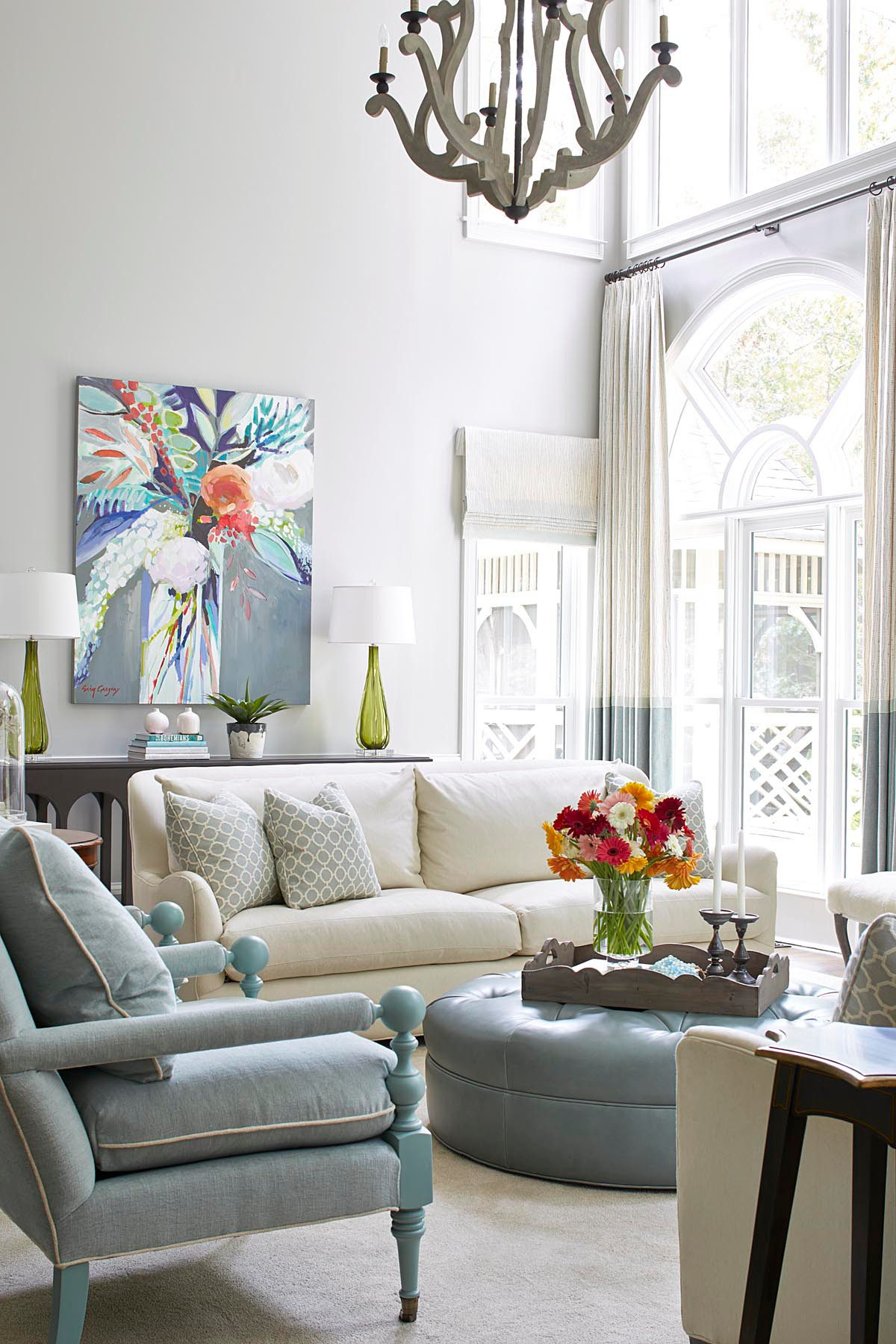
3. Assign the Right Homework
With e-decorating services, you’ll be saving time by having the client do some of the work you usually provide as part of full services. Once the client has enlisted your services, assign some homework that will help you zero in on their needs and style. Things to include in the questionnaire include:
Suggest they create Houzz ideabooks that include notes on what they like about the inspiration photos they chose.
Have them measure the space, including the locations and measurements of things like windows, doors and existing built-ins. Send your clients detailed instructions to help them measure correctly.
Note: Let your clients know that they’ll need to measure carefully, as the space planning will be based on these measurements. Make it clear that if something you recommend doesn’t fit because it was based on inaccurate measurements, remedying the situation will be up to them.
How to Create and Use Ideabooks
With e-decorating services, you’ll be saving time by having the client do some of the work you usually provide as part of full services. Once the client has enlisted your services, assign some homework that will help you zero in on their needs and style. Things to include in the questionnaire include:
- General questions and issues they have regarding the space
- Specific colors and materials they like, as well as those they don’t
- How they wish the space would function and the activities they want to be able to do there
- Existing pieces they’d like you to work with
- Any specific storage needs
- What kinds of art they like
- If they need window treatments and if so, whether they want them to filter light or block it
- What the materials will need to stand up to, such as heavy traffic, pets or small children
Suggest they create Houzz ideabooks that include notes on what they like about the inspiration photos they chose.
Have them measure the space, including the locations and measurements of things like windows, doors and existing built-ins. Send your clients detailed instructions to help them measure correctly.
Note: Let your clients know that they’ll need to measure carefully, as the space planning will be based on these measurements. Make it clear that if something you recommend doesn’t fit because it was based on inaccurate measurements, remedying the situation will be up to them.
How to Create and Use Ideabooks
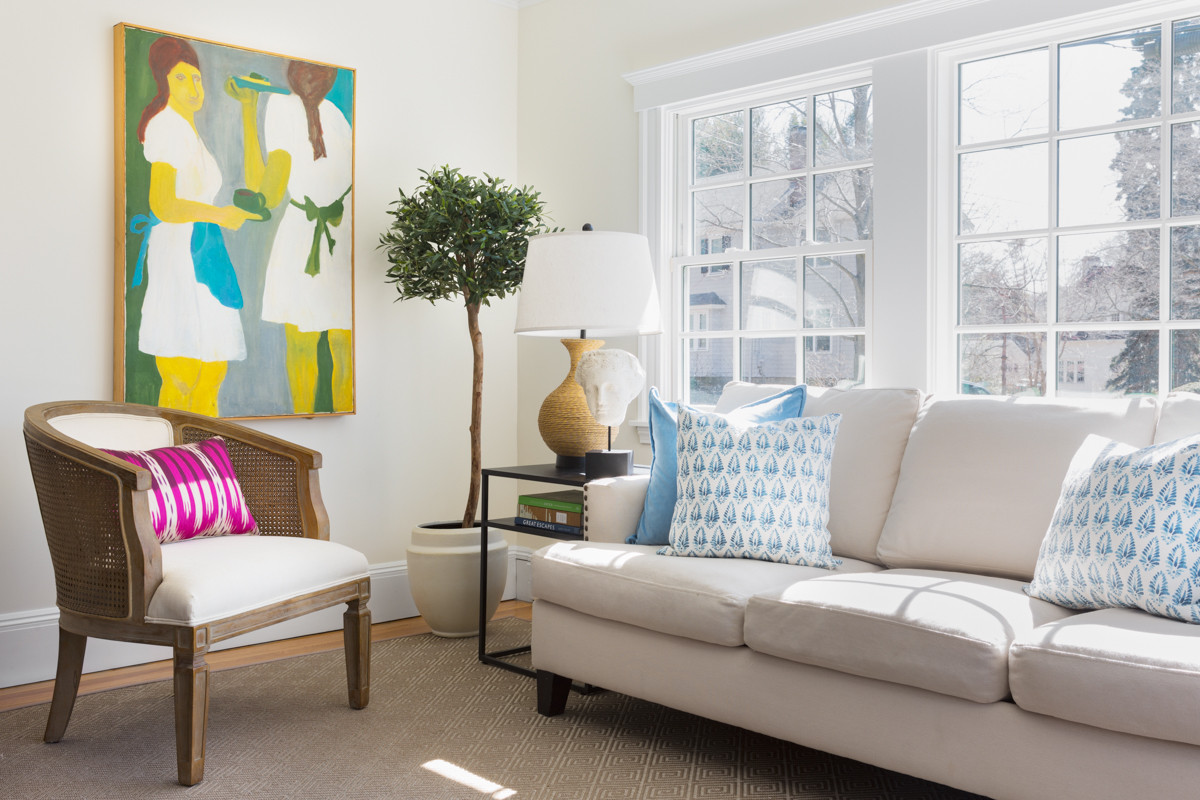
Interior designer Katrina Bogart offers a two-hour virtual consultation service for $320. This allows clients to get a feel for what it’s like to work with a designer at an affordable price. “This is a great way for people to get kick-started on a design,” she says.
Before the consultation, the designer begins by sending customers a punch list of things to send her, including photos of the rooms, questions and issues they have and inspiration photos of rooms they admire. After clients complete this work, Bogart puts time and thought into analyzing it. “This helps me acclimate to the spaces they want to work on and get a sense of their needs,” she says. Armed with this information, she pulls together things she thinks the client will like before the consultation begins.
Because they have a lot of e-decorating experience under their belts, Kandrac and Kole have fine-tuned the process of figuring out a client’s style and needs. “We have learned what kinds of questions to ask in that initial phone call and on our questionnaire, and we study what our clients like in their Houzz ideabooks. So we really learn what will make them happy,” Kandrac says.
When you start an e-decorating business, reflect on the process after each experience. Think about questions or assignments that would have sped things up. The more you have the clients put into their homework, the better informed you’ll be. And that will make it easier to figure out how to meet their needs and lead to a satisfying result.
Find a local painter
Before the consultation, the designer begins by sending customers a punch list of things to send her, including photos of the rooms, questions and issues they have and inspiration photos of rooms they admire. After clients complete this work, Bogart puts time and thought into analyzing it. “This helps me acclimate to the spaces they want to work on and get a sense of their needs,” she says. Armed with this information, she pulls together things she thinks the client will like before the consultation begins.
Because they have a lot of e-decorating experience under their belts, Kandrac and Kole have fine-tuned the process of figuring out a client’s style and needs. “We have learned what kinds of questions to ask in that initial phone call and on our questionnaire, and we study what our clients like in their Houzz ideabooks. So we really learn what will make them happy,” Kandrac says.
When you start an e-decorating business, reflect on the process after each experience. Think about questions or assignments that would have sped things up. The more you have the clients put into their homework, the better informed you’ll be. And that will make it easier to figure out how to meet their needs and lead to a satisfying result.
Find a local painter
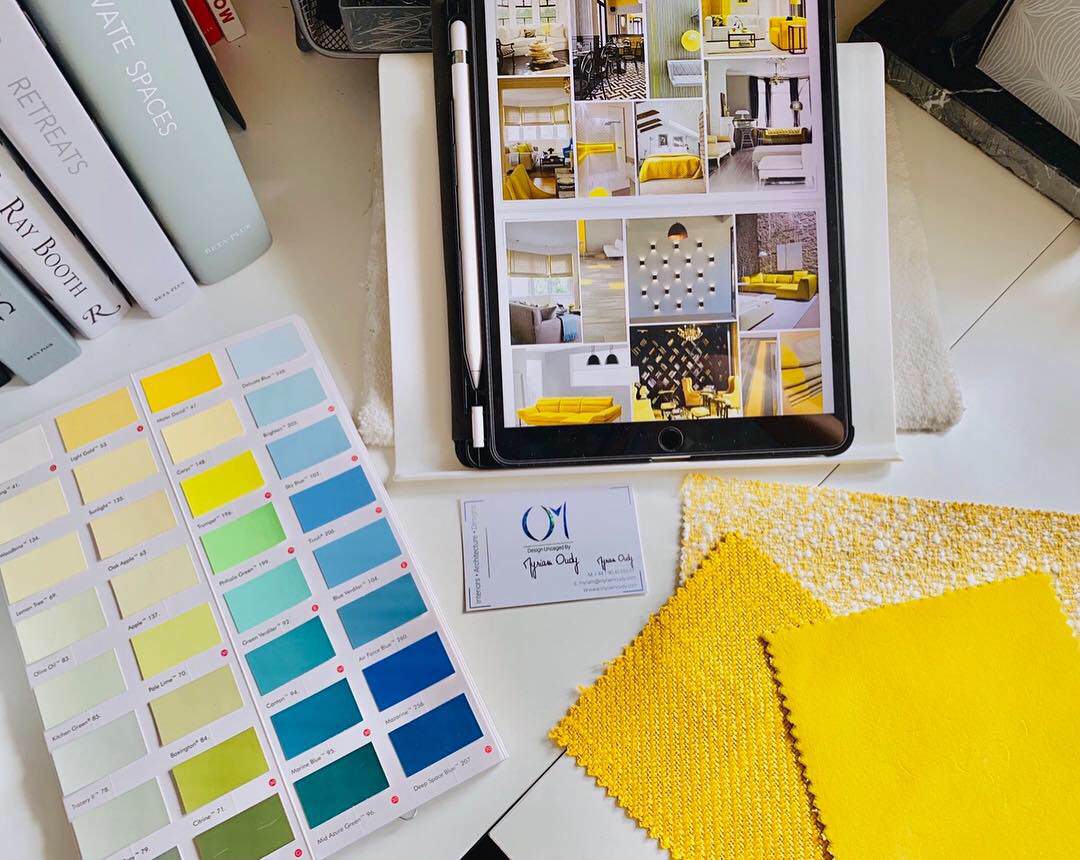
4. Determine How Much Follow-Up Your E-Decorating Package Will Include
After clients receive their deliverables, most designers will answer a few follow-up questions, within reason. After preparing her ideas for her e-decorating clients, Bogart schedules a virtual consultation via a videoconferencing tool such as Zoom or Houzz Pro Video Meetings. Clients walk her through their spaces virtually, and she gives them her recommendations and suggestions. There’s no need for them to take notes, as she follows up with a space-by-space summary of these recommendations and suggestions in an email. She also includes links to suggested products that make it easy for her clients to shop.
Some clients get all they need out of the service, while others decide they want to commit to more extensive and customized full design services. “I make it clear that I can’t design your room fully in a virtual consult,” Bogart says. “The service is for my insight and advice only.” But it is comprehensive advice that helps clients pull the entire space together, including suggestions for furniture layouts, paint colors, rugs, lighting, window treatments, art placement and a list of all the items to buy to pull the look together.
Kandrac says their questions and subsequent analysis of the client’s style, space and needs result in a final presentation “that’s usually a perfect 10.” However, she notes that if it’s not and a client wants to change a few things, they will follow up and tweak the design, within reason.
After clients receive their deliverables, most designers will answer a few follow-up questions, within reason. After preparing her ideas for her e-decorating clients, Bogart schedules a virtual consultation via a videoconferencing tool such as Zoom or Houzz Pro Video Meetings. Clients walk her through their spaces virtually, and she gives them her recommendations and suggestions. There’s no need for them to take notes, as she follows up with a space-by-space summary of these recommendations and suggestions in an email. She also includes links to suggested products that make it easy for her clients to shop.
Some clients get all they need out of the service, while others decide they want to commit to more extensive and customized full design services. “I make it clear that I can’t design your room fully in a virtual consult,” Bogart says. “The service is for my insight and advice only.” But it is comprehensive advice that helps clients pull the entire space together, including suggestions for furniture layouts, paint colors, rugs, lighting, window treatments, art placement and a list of all the items to buy to pull the look together.
Kandrac says their questions and subsequent analysis of the client’s style, space and needs result in a final presentation “that’s usually a perfect 10.” However, she notes that if it’s not and a client wants to change a few things, they will follow up and tweak the design, within reason.

Nystrom includes more follow-ups and revisions than the average e-decorating package, which is reflected in her pricing. She built a number of follow-up video meetings and revisions into the cost. “My intent was to create a process that was more thorough than what I had experienced with the online decorating companies,” she says. “I wanted a chance to deliver a conceptual package, incorporate my clients’ feedback and make adjustments. This usually requires three Zoom meetings.”
Alfin gives her clients the opportunity to upgrade to her gold or platinum packages. And of course, there’s always the option of giving e-decorating clients the opportunity to switch to full services. By testing out what it’s like to work with a designer via e-decorating, a good number of them find they like the process and are ready to take that plunge.
Alfin gives her clients the opportunity to upgrade to her gold or platinum packages. And of course, there’s always the option of giving e-decorating clients the opportunity to switch to full services. By testing out what it’s like to work with a designer via e-decorating, a good number of them find they like the process and are ready to take that plunge.
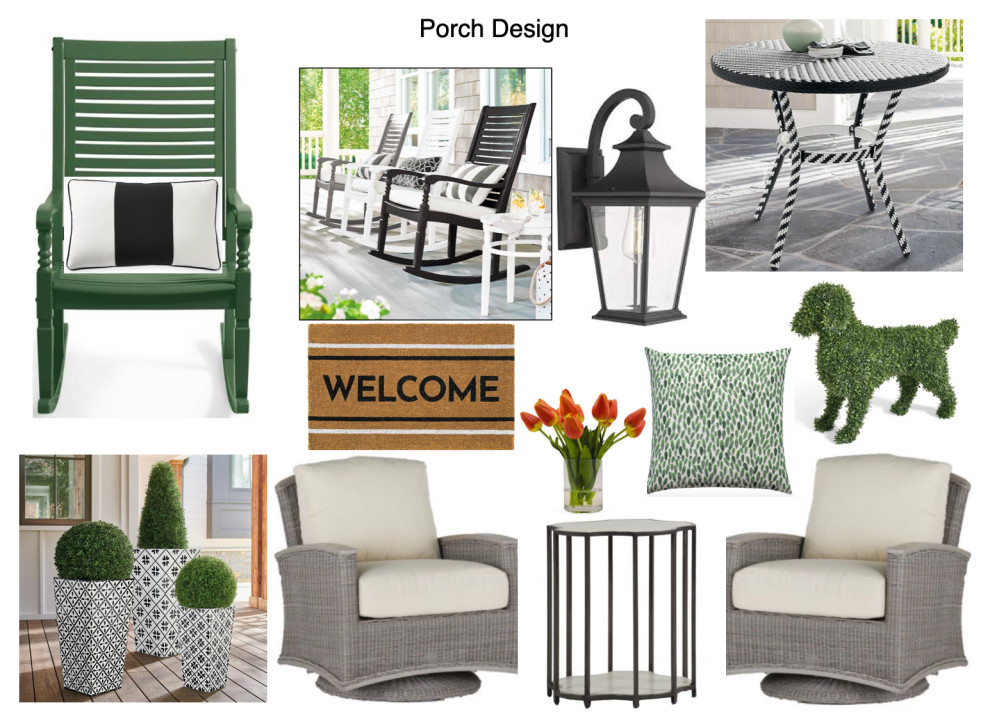
5. Get a Good Understanding of a Client’s Budget
Find out what a client’s budget and timeline are so you can come up with shopping suggestions that suit it. Some e-decorating clients may be looking for a master plan that they can phase in over time as they have the money to do so. For these clients, help them prioritize where to invest their money first. For example, if there’s a one-of-a-kind artwork you’ve selected, let them know they need to procure it as quickly as possible.
In the initial phone call, Kandrac and Kole ask their potential clients if they’re comfortable with a high-low strategy. This means splurging on one or two important and special pieces that will truly make the space, then balancing the budget with less expensive pieces.
Kandrac notes that it’s fine for clients to save over time and shop as the budget allows, or to wait for sales. But she warns clients that not all of the items the designers have recommended to them may be available months down the road. “When this happens, say with a lamp, we let our client know to try and match the scale of the one we picked out. And that we like to choose 150-watt lamps to give off enough light,” she says. “So many times people don’t understand scale. The most important thing we tell them is to stick to the size.”
Find out what a client’s budget and timeline are so you can come up with shopping suggestions that suit it. Some e-decorating clients may be looking for a master plan that they can phase in over time as they have the money to do so. For these clients, help them prioritize where to invest their money first. For example, if there’s a one-of-a-kind artwork you’ve selected, let them know they need to procure it as quickly as possible.
In the initial phone call, Kandrac and Kole ask their potential clients if they’re comfortable with a high-low strategy. This means splurging on one or two important and special pieces that will truly make the space, then balancing the budget with less expensive pieces.
Kandrac notes that it’s fine for clients to save over time and shop as the budget allows, or to wait for sales. But she warns clients that not all of the items the designers have recommended to them may be available months down the road. “When this happens, say with a lamp, we let our client know to try and match the scale of the one we picked out. And that we like to choose 150-watt lamps to give off enough light,” she says. “So many times people don’t understand scale. The most important thing we tell them is to stick to the size.”
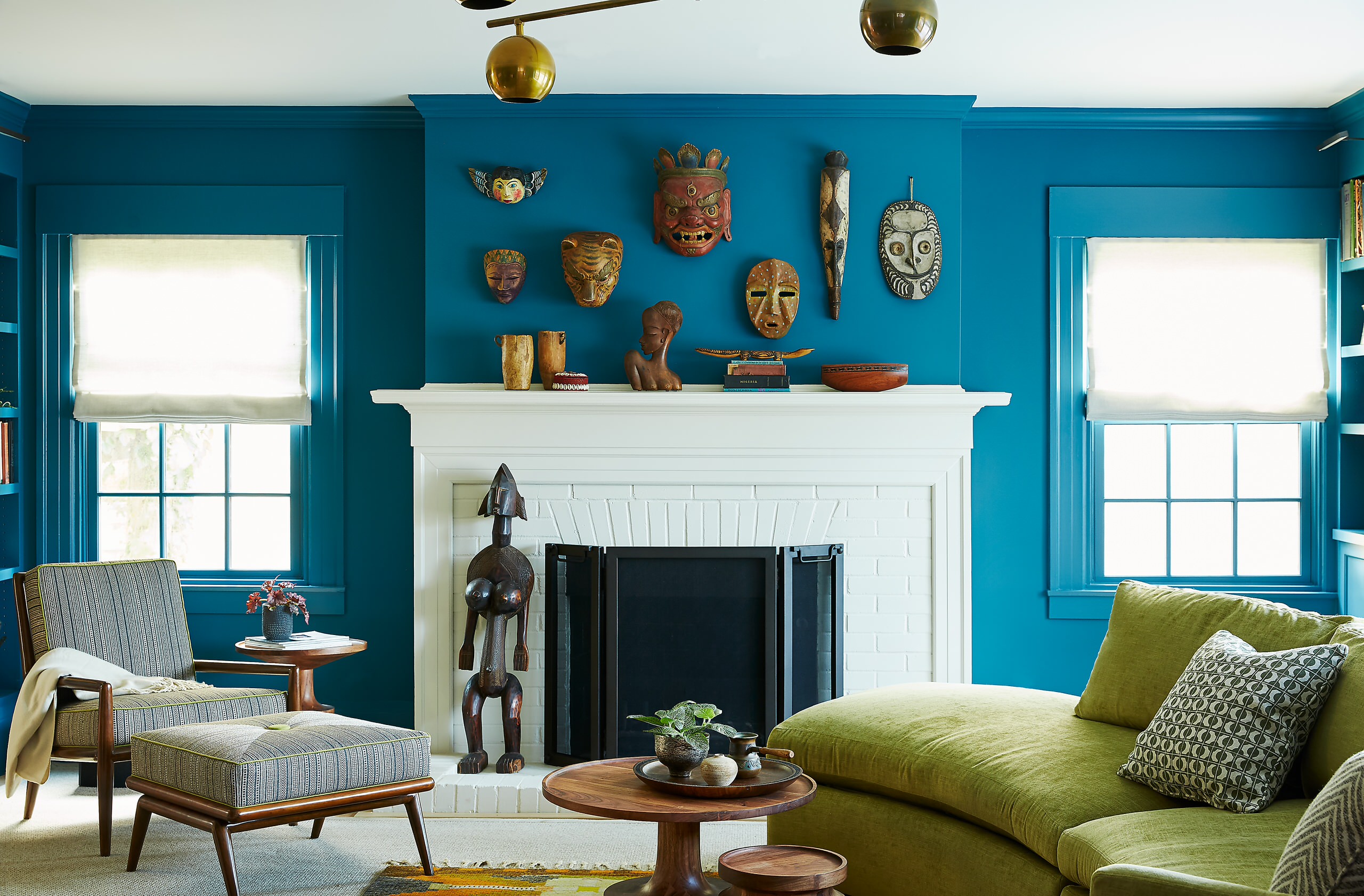
Like the other designers, Nystrom’s sourcing is generally retail for her e-decorating clients, and they do the purchasing themselves. “There are no custom built-ins or window treatments, but I may recommend a local reupholstery shop, artist or one-of-a-kind piece online they should check out. These kinds of things will add special and unique touches,” she says.

6. Let Clients Know That What They See on Their Screens May Look Different in Person
Looking at design online is convenient, but photography and screens can alter colors, textile and tile dye lots can cause colors to vary from batch to batch, and the light in a home can bring out different hues in paint and fabric colors. With the abbreviated design services offered in e-decorating, clients will be shopping retail rather than purchasing through you. Often this means they’ll need to order samples or check things out in person in a store themselves.
Also, let them know it’s wise to buy samples of paint colors you’ve suggested and do a large test swatch on the wall to make sure they like the way the color looks in their home. Even a shade of white can look much different in Los Angeles light than it does in Minneapolis light. Tell them to check out how the test swatch looks throughout different times of the day and with different lighting schemes.
Looking at design online is convenient, but photography and screens can alter colors, textile and tile dye lots can cause colors to vary from batch to batch, and the light in a home can bring out different hues in paint and fabric colors. With the abbreviated design services offered in e-decorating, clients will be shopping retail rather than purchasing through you. Often this means they’ll need to order samples or check things out in person in a store themselves.
Also, let them know it’s wise to buy samples of paint colors you’ve suggested and do a large test swatch on the wall to make sure they like the way the color looks in their home. Even a shade of white can look much different in Los Angeles light than it does in Minneapolis light. Tell them to check out how the test swatch looks throughout different times of the day and with different lighting schemes.

7. Advise Clients to Pay Attention to Return Policies and Read Reviews
When you’re doing the purchasing for your clients, any issues fall on you. But because the client will be shopping retail on their own, the onus of replacing something that has an issue will be on them. Make this clear in your communications. Advise them to request textile, wallpaper and paint samples when possible. And tell them to review each vendor’s return policy.
When you’re doing the purchasing for your clients, any issues fall on you. But because the client will be shopping retail on their own, the onus of replacing something that has an issue will be on them. Make this clear in your communications. Advise them to request textile, wallpaper and paint samples when possible. And tell them to review each vendor’s return policy.

E-decorating is a wonderful model that will give clients who otherwise might never have enlisted design services a good idea of what it’s like to work with a designer. It’s an affordable and fun way for them to receive valuable help from an expert. And it’s a great way to address the intimidation many homeowners feel about working with a designer. Providing a positive experience for e-decorating clients can lead to more expansive business from these clients and people they may refer down the road.
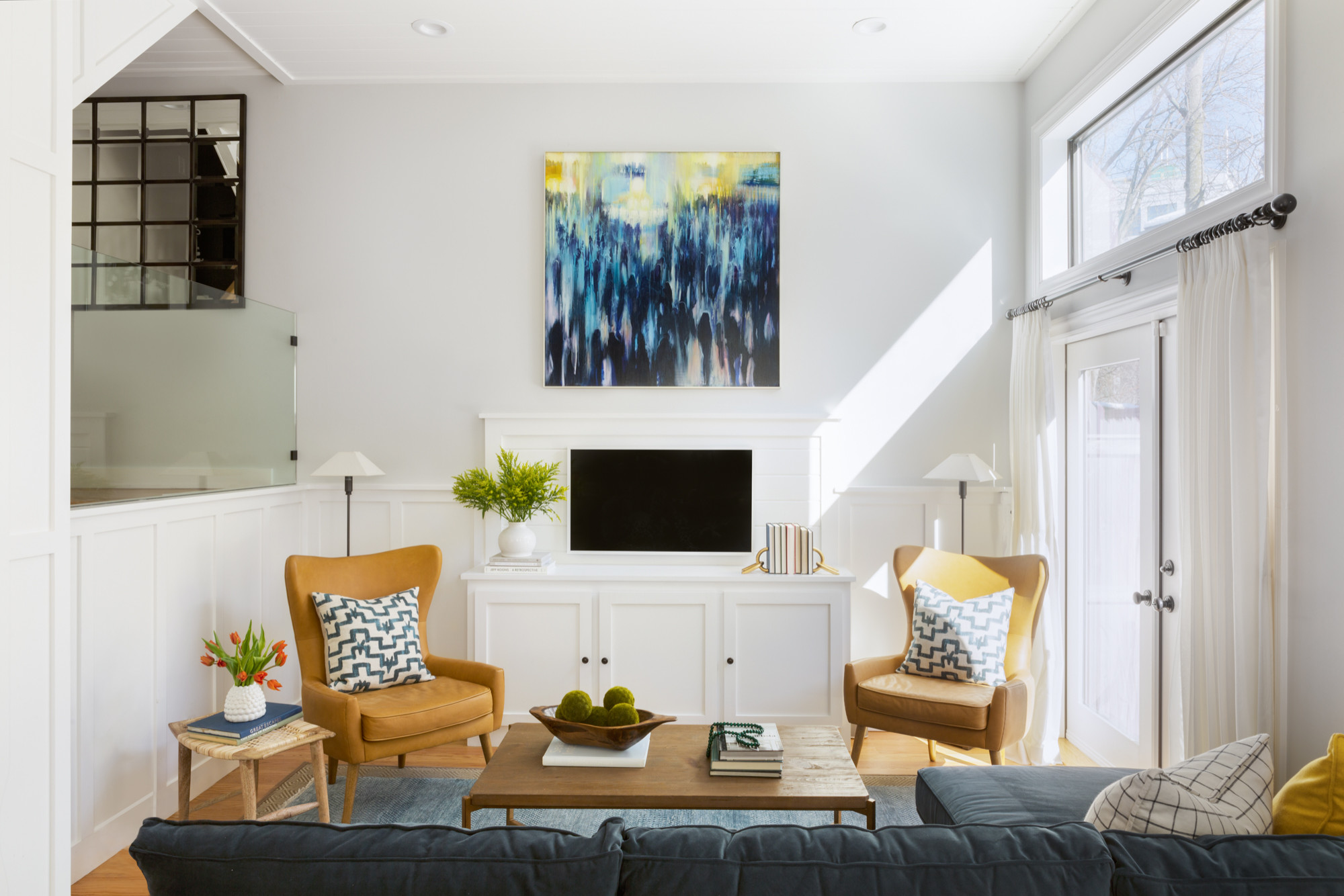
Another advantage of this model is that clients aren’t limited by geography. You can expand your clientele across the country and even around the world.
“This is a very attainable service, and I get calls from all over the United States,” Bogart says. “I feel good about what I can deliver and what my clients will walk away with. E-decorating also helps people see the value in a designer’s expertise.”
Share: Have you done e-decorating? Share your experiences and tips for other pros in the Comments.
More for Pros on Houzz
Read more articles for pros
Learn about Houzz Pro software
Talk with your peers in the Pro-to-Pro discussions
Join the Houzz Trade Program
“This is a very attainable service, and I get calls from all over the United States,” Bogart says. “I feel good about what I can deliver and what my clients will walk away with. E-decorating also helps people see the value in a designer’s expertise.”
Share: Have you done e-decorating? Share your experiences and tips for other pros in the Comments.
More for Pros on Houzz
Read more articles for pros
Learn about Houzz Pro software
Talk with your peers in the Pro-to-Pro discussions
Join the Houzz Trade Program
Sponsored

Leading Interior Designers in Columbus, Ohio & Ponte Vedra, Florida

Designers typically offer e-decorating packages at set prices that include limited consultation time and specific deliverables. E-decorating deliverables often include items like moodboards, shopping lists (often with links to the items for easy purchasing), furniture layouts, floor plans, 3D renderings and paint palettes. Some packages include directing clients via FaceTime, Zoom or Video Meetings with Houzz Pro, as the clients move furniture around the room. Also, note that most e-decorating services are limited to retail shopping, which your clients will do themselves.
You’ll also have to determine how much consultation time your package will include and whether your package price will include revisions, tweaks and other types of follow-up. Some designers include revisions or tweaks as part of the package, others have them available for an extra charge. We’ll explore that further in a bit.