
How to Light Your Bedroom Right
Discover these professional tips for lighting your bedroom and achieving a better night’s sleep

We all need sleep, and many of us could use more of it and of higher quality. Light can either disrupt your sleep or help you sleep better. The trick is knowing what kind of light to use in your bedroom and when and where to use it. The following tips will help you layer in proper bedroom lighting, allowing for better mornings, safer nights and hopefully more productive days in between.
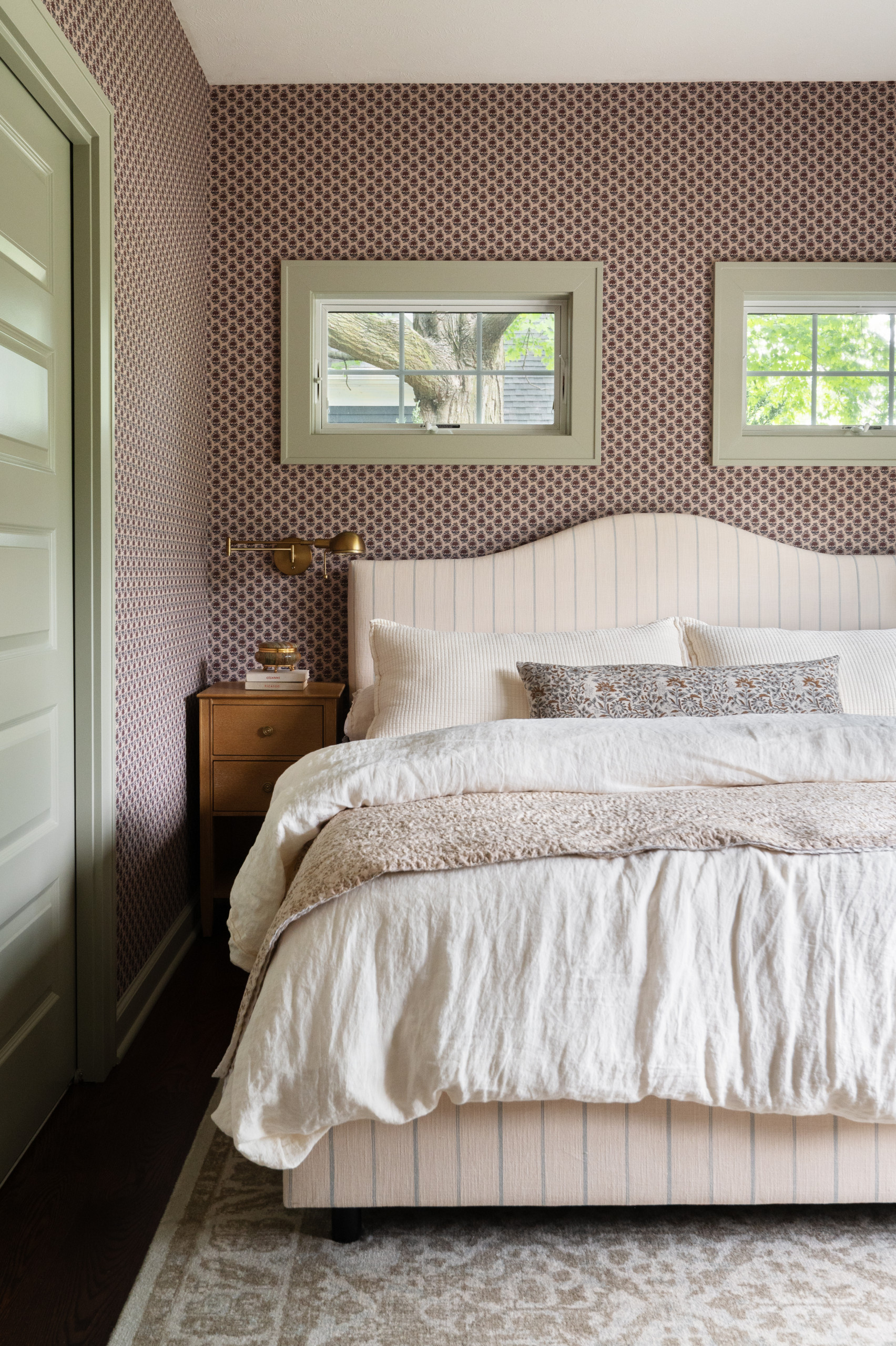
2. Bedside Table Lamps
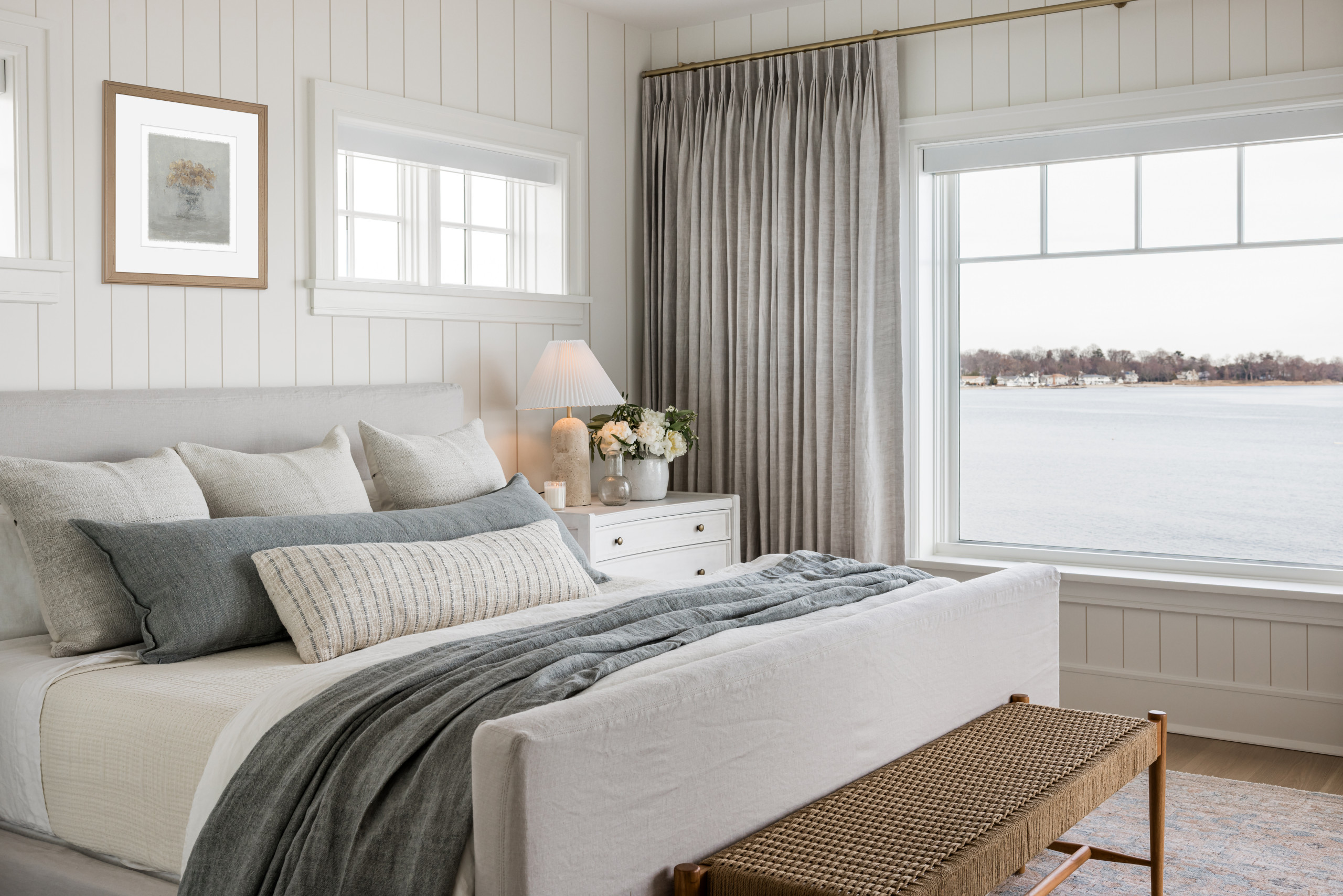
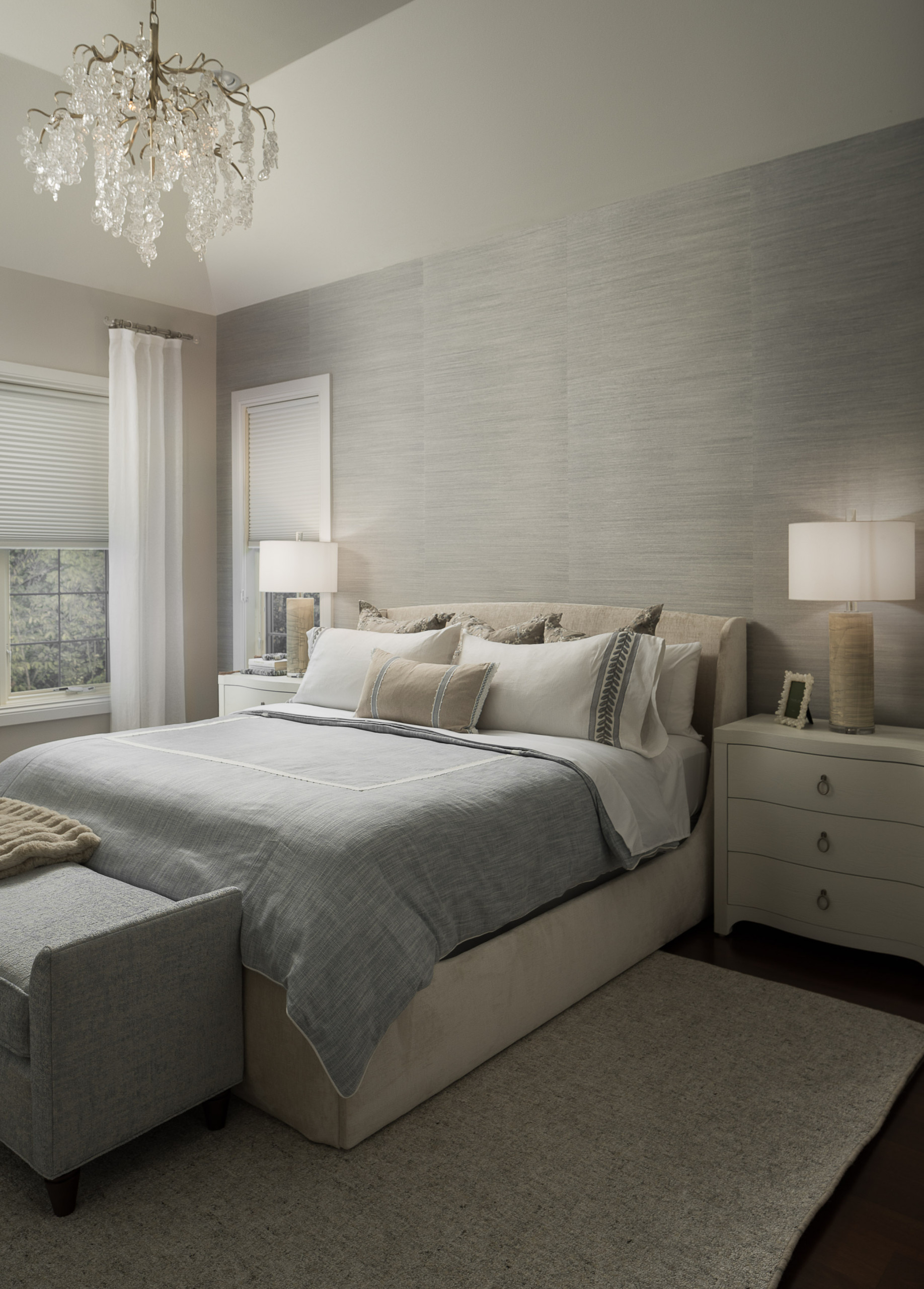
Keep bright light out of your eyes at night by avoiding bedside lamps or pendant lights with clear glass shades or visible bulbs that create glare. Also make sure shades are about equal to your eye level when sitting or leaning in bed.
Recessed downlights above the bed can push intense light directly to your retina and negatively affect sleep cycles, so use them carefully and always on dimmers set to the lowest usable setting.
Keep bright light out of your eyes at night by avoiding bedside lamps or pendant lights with clear glass shades or visible bulbs that create glare. Also make sure shades are about equal to your eye level when sitting or leaning in bed.
Recessed downlights above the bed can push intense light directly to your retina and negatively affect sleep cycles, so use them carefully and always on dimmers set to the lowest usable setting.
3. Reading Lights
Reading lights can help you fall asleep to your favorite book. Put them on dimmers and try turning them down as far as you can, as too much light bouncing off the white pages of a book can cause problems.
Consider leaving your tablets, laptops and phones in a different room in your house, since the light they throw off can affect your sleep.
See why you should hire a professional who uses Houzz Pro software
Reading lights can help you fall asleep to your favorite book. Put them on dimmers and try turning them down as far as you can, as too much light bouncing off the white pages of a book can cause problems.
Consider leaving your tablets, laptops and phones in a different room in your house, since the light they throw off can affect your sleep.
See why you should hire a professional who uses Houzz Pro software
4. Soft Room Lighting
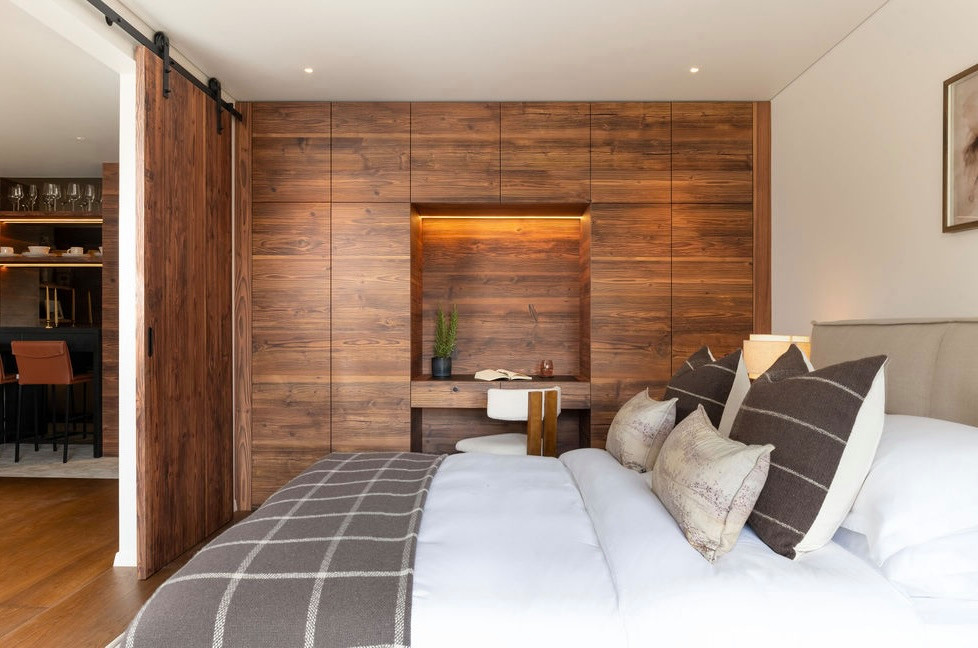
Soft cove lighting or light bounced off art and feature walls can provide a warm glow ideal for a bedroom. The indirect nature of these solutions will help limit the amount of light entering your eyes.
If you require a ceiling fan in your bedroom, it’s best to avoid those that come with lights. While many ceiling fans feature shades, they often do little to keep you from looking directly into the bulbs — which is just the kind of light that can disrupt circadian rhythms.
Soft cove lighting or light bounced off art and feature walls can provide a warm glow ideal for a bedroom. The indirect nature of these solutions will help limit the amount of light entering your eyes.
If you require a ceiling fan in your bedroom, it’s best to avoid those that come with lights. While many ceiling fans feature shades, they often do little to keep you from looking directly into the bulbs — which is just the kind of light that can disrupt circadian rhythms.
5. Bedroom Lighting Layers and Controls
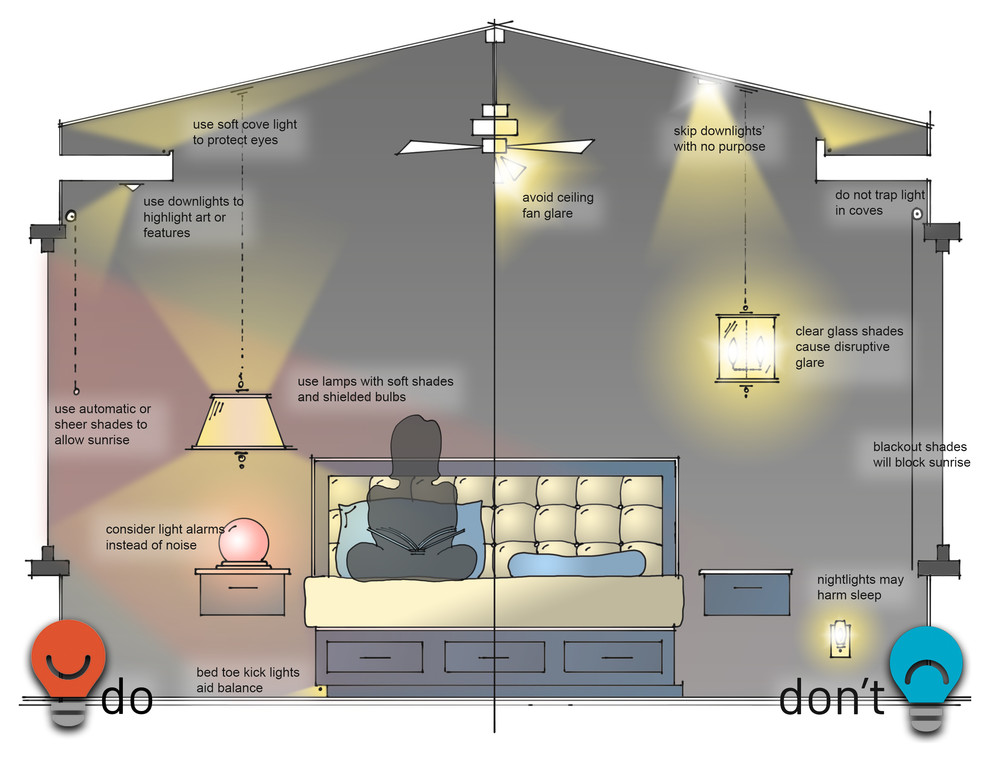
Design bedroom lighting in layers that allow you to change with the time of day. Light can help your space look beautiful, feel comfortable and provide the right light at the right time.
Layer in your bedroom lighting. Bedside lamps, cove lighting, spotlights on art, wall sconces and step lights can all come together to create a beautiful and well-lit room.
Finally, lighting controls such as dimmers and programmable smart systems can make it easier to limit light at night, boost brightness in the morning and set the right mood in between.
More on Houzz
Read more stories
Browse photos for ideas
Find home professionals
Design bedroom lighting in layers that allow you to change with the time of day. Light can help your space look beautiful, feel comfortable and provide the right light at the right time.
Layer in your bedroom lighting. Bedside lamps, cove lighting, spotlights on art, wall sconces and step lights can all come together to create a beautiful and well-lit room.
Finally, lighting controls such as dimmers and programmable smart systems can make it easier to limit light at night, boost brightness in the morning and set the right mood in between.
More on Houzz
Read more stories
Browse photos for ideas
Find home professionals
Sponsored

Columbus Design-Build, Kitchen & Bath Remodeling, Historic Renovations

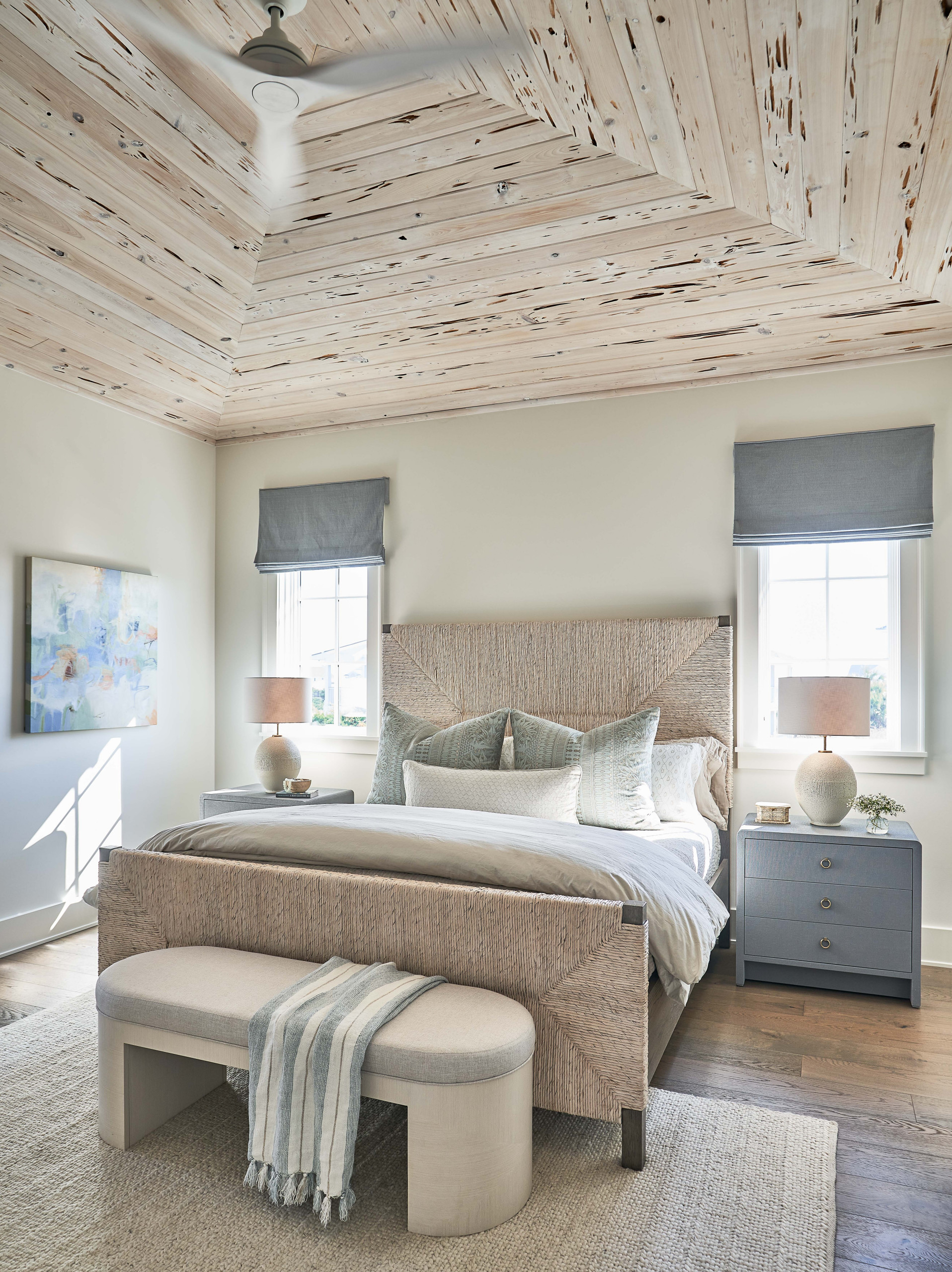
Our bodies need darkness at night and brightness in the morning. Blackout shades can block streetlights and car headlights and make it easier to fall asleep, but they can also disconnect us from sunrise.
Consider shades that let in the morning sun, or use smart shade controls that raise them before your scheduled wake-up. You can also use light-based alarm clocks or smart lighting to trick your body if you need to rise before the sun.
Find an interior designer on Houzz