
Search results for "Spreading fertilizer" in Home Design Ideas

 Davis Landscape Design LLC
Native Little Bluestem catches the late summer sun.
This is an example of a traditional full sun landscaping in New York.
This is an example of a traditional full sun landscaping in New York.

 Organized Living
 freedomRail provides endless possibilities to organize work and gardening tools. Shelves, racks and hooks are all adjustable which is important when it comes to customizing storage to your needs. Perfect for garages, sheds and workshops. See more ways to use freedomRail here: http://www.organizedliving.com/home/products/freedomrail-garage


Find the right local pro for your project

 Prime 1 Builders
This project won in the 2013 Builders Association of Metropolitan Pittsburgh Housing Excellence Award for Best Urban Renewal Renovation Project. The glass bowl was made in the glass studio owned by the owner which is adjacent to the residence. The mirror is a repurposed window. The door is repurposed from a boarding house.
George Mendel


 Steve Masley Consulting and Design
Organic soil amendments are cultivated into the soil. Since their nutrients are released by soil microbes, they need to be mixed into the soil so they're in contact with the soil food web. These organic fertilizers are built into the soil at the start of the season, and release over time--no need for additional fertilizers, it's like winding up a clock.
Photo by Steve Masley
Sponsored
Sunbury, OH

J.Holderby - Renovations
Franklin County's Leading General Contractors - 2X Best of Houzz!

 Good Earth Design
This peach tree was nearly dead in an abandoned corner of the landscape. Peaches like more water and
'cool' feet than is available here in the high mountain desert. I revived this tree by adding deep mulch out past its drip line and planting a non-spreading variety of comfrey all around. Comfrey is one of the most amazing beneficial plants in the garden, it deserves an article, even a book of its own. In addition to herbal and medical properties comfrey is a powerful dynamic accumulator and mulch plant, it brings a variety of nutrients from deep in the ground and accumulates them on the surface in its leaves. The leaves break down quickly into rich black soil.


 Lore Patterson
The Edible Garden
Photo: Lore Patterson
This is an example of a mid-sized traditional backyard formal garden in Seattle for fall.
This is an example of a mid-sized traditional backyard formal garden in Seattle for fall.
 Southern Living Plant Collection
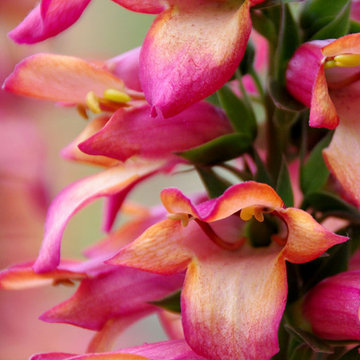
This Digiplexis sports bright, pinkish to reddish-orange, tubular flowers with yellow throats, packed densely on three foot stems. Multiple side branches and sterile blossoms mean a very long bloom time.
FEATURES
Bloom/Feature Wonderfully long bloom time
Plant Type Perennials
Evergreen or Deciduous Evergreen
USDA Zones 8,9,10,11
Zone Detail Hardy to 10°F USDA zones 8-11
Key Features Bright, reddish-orange, blooms with yellow throats
Use Ideal for beds, borders and patio pots; great cut flower
Exposure Full sun to part shade
Bloom Season Spring to fall
Dimension 3' H x spreading (18" W)
Growth Rate Fast
CARE
Water Keep dry until established; avoid overhead irrigation (damages blooms)
Soil Type Well-drained, moist garden soil
Fertilizer Constantly use a liquid fertilizer with micro nutrients until established
Pruning Prune dead and dying growth after bloom season
PLANTING INSTRUCTIONS
water before planting
plant in full sun to part shade
dig hole 2X the width of pot,
backfill and plant 1”-2” above soil level
water and add more soil if needed
mulch plants; fertilize in early spring

 Roundtree Landscaping, Inc
Even just a little moisture in the air in the middle of Texas August will produce an abundance of neon purple blooms on Texas Sage!
This is an example of an eclectic landscaping in Dallas.
This is an example of an eclectic landscaping in Dallas.
Sponsored
Sunbury, OH
J.Holderby - Renovations
Franklin County's Leading General Contractors - 2X Best of Houzz!


 Southern Living Plant Collection
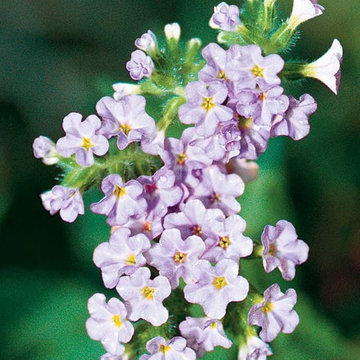
Low growing, spreading, American native with light lavender flower clusters. Incredibly heat tolerant. Use as ground covers or in planters. Southern Living® calls this perennial “bambi-proof.”
FEATURES
Bloom/Feature Lavender flower clusters from spring until fall
Plant Type Annuals
Evergreen or Deciduous Deciduous
USDA Zones 7,8,9,10,11
Zone Detail Hardy to 0°F
Key Features Heat tolerance, attracts birds/butterflies, water-wise, dwarf
Use Border, container, groundcover, mass planting
Exposure Full sun
Bloom Season Spring, summer
Dimension 12-14" H x spreading
Growth Rate Moderate to fast growth
CARE
Water Keep on the dry side of moist
Soil Type Well-drained garden soil
Fertilizer Monthly in garden; bi-monthly in containers
Pruning Prune as desired, but not required
PLANTING INSTRUCTIONS
water before planting
plant in full sun to part shade
dig hole 3X the width of pot,
backfill and plant 1”-2” above soil level
water and add more soil if needed
mulch plants
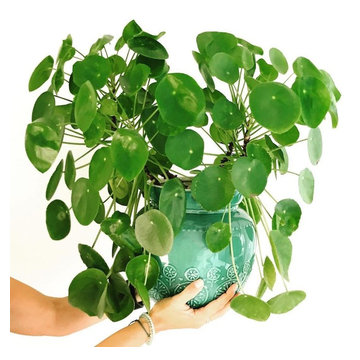
 Houtje Touwtje
We moved these four Pileas to a bigger pot when they were still young, about three years ago. The bigger the pot, the more space they have to grow and the bigger the plant will become. Credits: instagram.com/houtje.touwtje
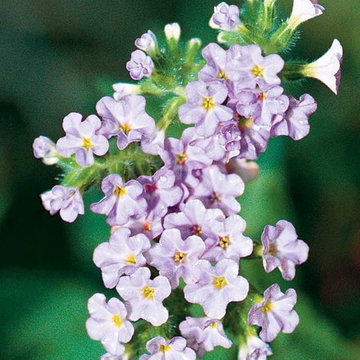 Southern Living Plant Collection
Low growing, spreading, American native with light lavender flower clusters. Incredibly heat tolerant. Use as ground covers or in planters. Southern Living® calls this perennial “bambi-proof.”
FEATURES
Bloom/Feature Lavender flower clusters from spring until fall
Plant Type Perennials
Evergreen or Deciduous Deciduous
USDA Zones 7,8,9,10,11
Zone Detail Hardy to 0 F
Key Features heat tolerance, attracts birds/butterflies, water-wise, dwarf
Use border, container, groundcover, mass planting
Exposure Full sun
Bloom Season spring, summer
Dimension 12-14" H x spreading
Growth Rate Moderate to fast growth
CARE
Water Keep on the dry side of moist
Soil Type Well-drained garden soil
Fertilizer Monthly in garden;: bi-monthly in containers
Pruning Prune as desired, but not required
PLANTING INSTRUCTIONS
water before planting
plant in full sun to part shade
dig hole 3X the width of pot,
backfill and plant 1”-2” above soil level
water and add more soil if needed
mulch plants

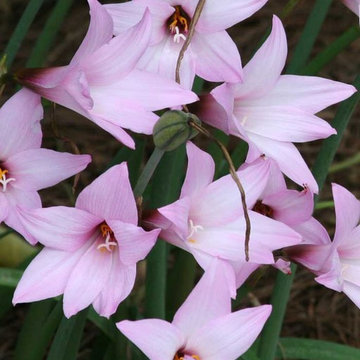 Southern Living Plant Collection
There are many rain lilies that bloom all across the world, but few put on the show of Habranthus robustus. This pink rain lily will bloom 4 to 6 times in one summer, not minding the heat or humidity. They can be seen performing in shady areas and in full sun. These larger rain lily bulbs quickly clump and spread, offering a showy display in an otherwise dormant summer garden.
FEATURES
Bloom/Feature Blooms 4-6 times in one summer; perform in shady areas and in full sun; quickly clump and spread
Plant Type Spring Bulbs
Evergreen or Deciduous Deciduous
USDA Zones 6,7,8,9,10,11
Zone Detail Hardy to -10°F
Key Features Heat tolerance, drought tolerance, water-wise, reblooming
Use Border, container, accent
Exposure Full sun to part shade
Bloom Season Summer
Dimension 8-10" H x clumping
Growth Rate Moderate to fast growth
CARE
Water Natural Southern rainfall
Soil Type Acidic, moist, well-drained, humus-rich
Fertilizer Mix in low amount of an even N-P-K before planting
Pruning None
PLANTING INSTRUCTIONS
Plant in full sun to part shade
Soil should be just over top of the bulb
Water after planting
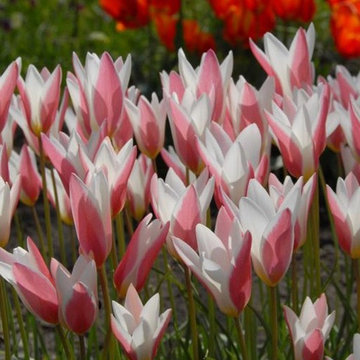 Southern Living Plant Collection
More than any other tulip type, the brightly colored species tulips are the best choice for Southern gardens. ‘Lady Jane’ is a Southern classic with a pink and white combination that is both delicate and bold.
FEATURES
Bloom/Feature Phototropic pink/white blooms in mid-March
Plant Type Fall Bulbs
Evergreen or Deciduous Deciduous
USDA Zones 6,7,8
Zone Detail Hardy to -10°F
Key Features Heat tolerance, drought tolerance, water-wise, reblooming
Use Border, container, accent
Exposure Full sun
Bloom Season Spring
Dimension 6-12" H x spreading
Growth Rate Moderate to fast growth
CARE
Water Natural Southern rainfall/ Dry during summer
Soil Type Any
Fertilizer Early spring
Pruning None
PLANTING INSTRUCTIONS
plant in full sun
soil should be 2-3” over the bulb
natural rainfall is best; avoid summer irrigation
digging and refrigeration is NOT necessary
1