
Search results for "Amendment" in Home Design Ideas
 Jay Sifford
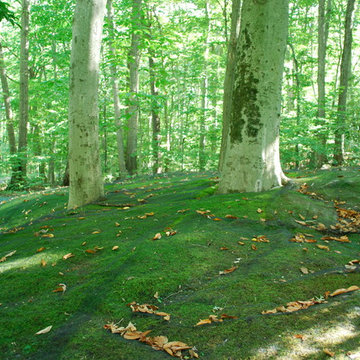
Photo taken in the garden of David Benner. Photo by Jay Sifford
Design ideas for a traditional landscaping in Charlotte.
Design ideas for a traditional landscaping in Charlotte.
 Steve Masley Consulting and Design
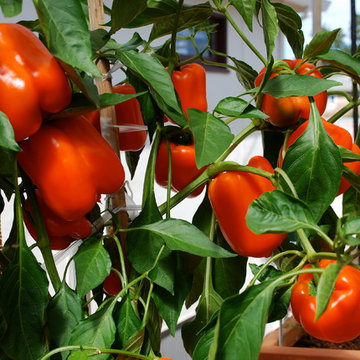
'Gourmet' orange bell peppers growing in a 5-gallon terra-cotta pot. Photo by Steve Masley.
Inspiration for an eclectic deck remodel in San Francisco
Inspiration for an eclectic deck remodel in San Francisco
 Benjamin Vogt / Monarch Gardens
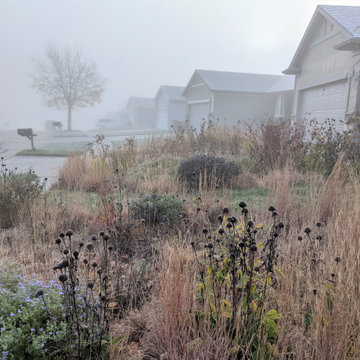
1,000' front lawn converted to meadow beds in suburban development.
This is an example of a drought-tolerant and full sun front yard landscaping for winter.
This is an example of a drought-tolerant and full sun front yard landscaping for winter.
Find the right local pro for your project


 Colorworks Landscape Design
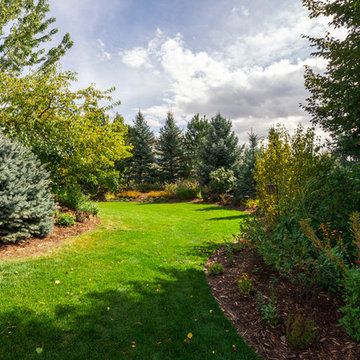
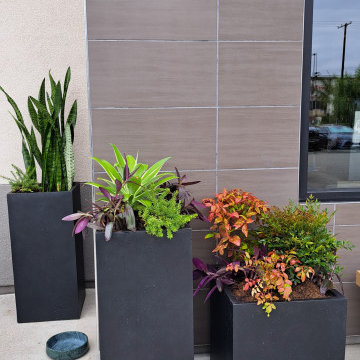
We designed and installed 16 custom planters around the front and side patio using a curated mix of climate-appropriate plants, stylish containers, and proper drainage for long-term health.
Here’s what went into it:
- 3D design to visualize layout, proportion, and plant placement
- Assorted planters with filler, perlite, raised garden soil + soil amendment
- A mix of sculptural and evergreen plantings, including:
• Dracaena trifasciata 'Laurentii'
• Boxwood Beauty Natal Plum
• Purple Majesty Chinese Fringe Flower
• Foothill Sedge
• Obsession Heavenly Bamboo
• Ray of Light Agave
• Woolly Grevillea, Snake Plant, Tradescantia & more

 Gardens by Design of Connecticut, LLC
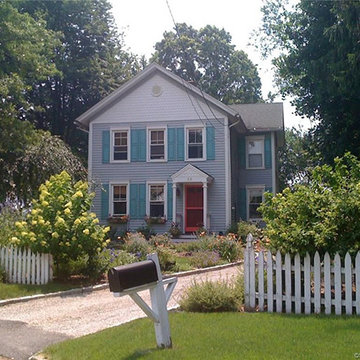
We designed & installed plantings with year-round interest harmonious with the post-Victorian home. The sandy soil was amended for greater moisture retention. The profuse plantings afford clients greater privacy. Pollinator-friendly.
 Full Circle Soils & Compost
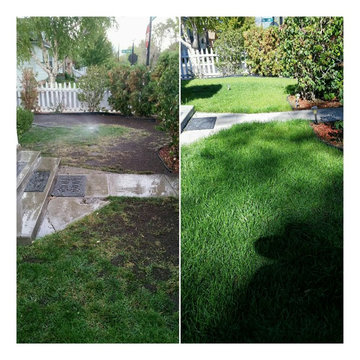
This is a turf reseed project in only 14 days! AMAZING. All we did was rake out the soil and existing turf. Spread drought tolerant grass seed. Cover with 1/4 of BOOST soil amendment. Water and BOOOM. 14 days and good as green. Full Circle Soils & Compost
 Colorworks Landscape Design
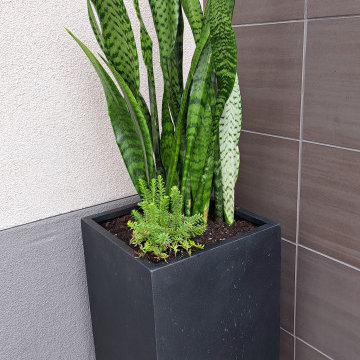
We designed and installed 16 custom planters around the front and side patio using a curated mix of climate-appropriate plants, stylish containers, and proper drainage for long-term health.
Here’s what went into it:
- 3D design to visualize layout, proportion, and plant placement
- Assorted planters with filler, perlite, raised garden soil + soil amendment
- A mix of sculptural and evergreen plantings, including:
• Dracaena trifasciata 'Laurentii'
• Boxwood Beauty Natal Plum
• Purple Majesty Chinese Fringe Flower
• Foothill Sedge
• Obsession Heavenly Bamboo
• Ray of Light Agave
• Woolly Grevillea, Snake Plant, Tradescantia & more
 Colorworks Landscape Design
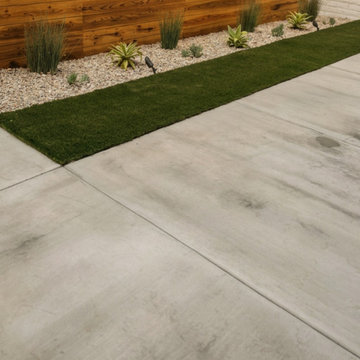
Some yards don't need a tweak. They need a reset. We took this one down to a blank slate and rebuilt it as a low-maintenance, low-water courtyard made for actually being outside.
What went in: light broom-finish concrete with modern control joints for clean lines, Daytona 103oz turf that stays green without a drop of water, and a Del Rio pebble garden threading through it all. We layered in drought-friendly plants, succulents, and trees, each set in amended soil and fed by a smart drip system that waters only what's needed.
Then the details that make it feel finished: a 42" incense cedar courtyard fence with double gates, a 5.5-foot modern backyard gate, and low-voltage ESUNN lighting on a smart transformer, so the whole space carries into the evening.
Built once, built right, and easy to live with from here on out.
 Colorworks Landscape Design
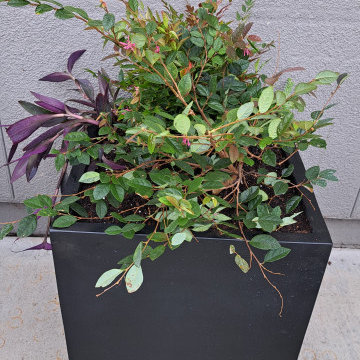
We designed and installed 16 custom planters around the front and side patio using a curated mix of climate-appropriate plants, stylish containers, and proper drainage for long-term health.
Here’s what went into it:
- 3D design to visualize layout, proportion, and plant placement
- Assorted planters with filler, perlite, raised garden soil + soil amendment
- A mix of sculptural and evergreen plantings, including:
• Dracaena trifasciata 'Laurentii'
• Boxwood Beauty Natal Plum
• Purple Majesty Chinese Fringe Flower
• Foothill Sedge
• Obsession Heavenly Bamboo
• Ray of Light Agave
• Woolly Grevillea, Snake Plant, Tradescantia & more
 Outdoor Creations Landscape & Design Inc.
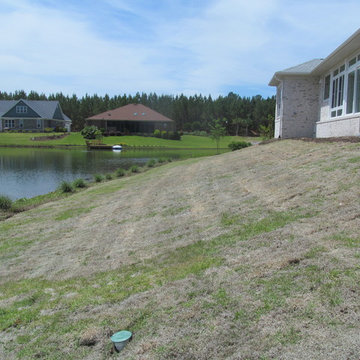
 Eradication of both cool season and warm season transitional weeds thru selective treatment. as it was at poor dormant stasis with the time of year be it mid May and should have been in mid activity, we amended soils both tending to its structure foundation and also tending to the turf types needs at one time the week prior, then properly mowed and cleaned up the turf areas.
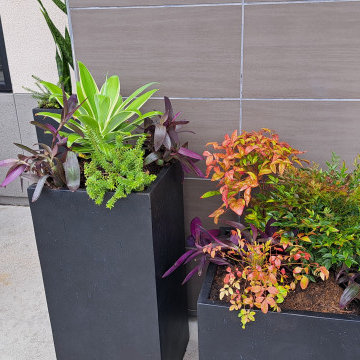 Colorworks Landscape Design
We designed and installed 16 custom planters around the front and side patio using a curated mix of climate-appropriate plants, stylish containers, and proper drainage for long-term health.
Here’s what went into it:
- 3D design to visualize layout, proportion, and plant placement
- Assorted planters with filler, perlite, raised garden soil + soil amendment
- A mix of sculptural and evergreen plantings, including:
• Dracaena trifasciata 'Laurentii'
• Boxwood Beauty Natal Plum
• Purple Majesty Chinese Fringe Flower
• Foothill Sedge
• Obsession Heavenly Bamboo
• Ray of Light Agave
• Woolly Grevillea, Snake Plant, Tradescantia & more
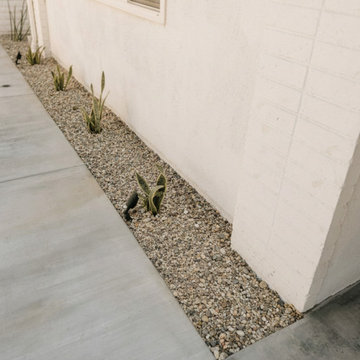 Colorworks Landscape Design
Some yards don't need a tweak. They need a reset. We took this one down to a blank slate and rebuilt it as a low-maintenance, low-water courtyard made for actually being outside.
What went in: light broom-finish concrete with modern control joints for clean lines, Daytona 103oz turf that stays green without a drop of water, and a Del Rio pebble garden threading through it all. We layered in drought-friendly plants, succulents, and trees, each set in amended soil and fed by a smart drip system that waters only what's needed.
Then the details that make it feel finished: a 42" incense cedar courtyard fence with double gates, a 5.5-foot modern backyard gate, and low-voltage ESUNN lighting on a smart transformer, so the whole space carries into the evening.
Built once, built right, and easy to live with from here on out.
 kmjee
kmjeePepper plants are a delightful addition to any garden, offering a vibrant burst of color and spice to your culinary creations. However, even experienced gardeners can encounter challenges when growing pepper plants. In this blog, we'll explore some common issues you might face and provide practical solutions to help your pepper plants thrive.
1. Slow or Stunted Growth
Issue: Slow or stunted growth in pepper plants can be discouraging, but there are specific steps you can take to address this issue effectively.
Solution:
a. Soil Health:
- Well-Draining Soil: Ensure your pepper plants are in well-draining soil to prevent waterlogged roots, which can inhibit growth.
- Organic Matter: Incorporate plenty of organic matter, such as compost or well-rotted manure, into the soil to improve its texture and nutrient content.
- pH Level: Test the soil pH and adjust it to the ideal range between 6.0 and 6.8 using lime or sulfur as needed.
b. Fertilization:
- Balanced Fertilizer: Use a balanced, slow-release fertilizer designed for vegetables to provide essential nutrients steadily throughout the growing season.
- Compost: Amend the soil with compost to enhance nutrient availability and soil structure. This can promote healthier growth.
c. Watering:
- Consistent Moisture: Maintain consistent soil moisture levels by watering your pepper plants regularly but avoid waterlogging. Aim for 1-2 inches of water per week, adjusting based on your local climate and weather conditions.
- Mulching: Apply mulch around the base of the plants to retain soil moisture and regulate temperature.
2. Yellowing Leaves
Issue: Yellowing leaves can be a sign of various underlying problems, but addressing them promptly can restore the vibrancy of your pepper plants.
Solution:
a. Nutrient Deficiencies:
- Balanced Fertilization: Use a well-balanced fertilizer that includes micronutrients to address nutrient deficiencies.
- Specific Nutrients: If you suspect a particular deficiency, such as magnesium, iron, or nitrogen, apply the appropriate nutrient supplement following package instructions.
b. Pest and Disease Control:
- Pest Inspection: Regularly inspect the leaves and stems for common pests like aphids and mites. Remove affected leaves and treat with organic pesticides if necessary.
- Disease Management: Look out for signs of diseases like bacterial leaf spot or fungal issues. Apply organic fungicides or bactericides as recommended.
3. Blossom Drop
Issue: When pepper plants drop their blossoms prematurely, it can hinder fruit development and lead to disappointment.
Solution:
a. Temperature Control:
- Stable Temperatures: Ensure your pepper plants are exposed to consistent temperatures between 70°F and 80°F (21°C to 27°C) during flowering. Avoid sudden temperature fluctuations by providing shelter or using row covers.
b. Pollination:
- Assist with Pollination: If growing peppers indoors or in a greenhouse, help with pollination by gently shaking the plants or using a small brush to transfer pollen between flowers. Outdoor pepper plants are usually pollinated by insects.
4. Wilting Plants
Issue: Wilting or drooping pepper plants can be a sign of various problems, but proper care can revive them.
Solution:
a. Watering:
- Consistent Moisture: Adjust your watering routine to keep the soil consistently moist but not waterlogged. Water early in the day to prevent fungal issues.
- Drainage: Ensure proper soil drainage by amending the soil or using raised beds to prevent waterlogged roots.
b. Pest Control:
- Pest Inspection: Examine the undersides of leaves for signs of pests like aphids, spider mites, or whiteflies. Treat infestations promptly with biological insecticides.
5. Curling Leaves
Issue: Curling or misshapen leaves indicate stress in pepper plants, which can be caused by various factors.
Solution:
a. Environmental Stress:
- Stable Conditions: Ensure your pepper plants are in an environment with stable humidity, temperature, and adequate air circulation. Avoid sudden changes in conditions.
- Proper Ventilation: Adequate air circulation can reduce humidity and prevent fungal issues.
b. Pest and Disease Management:
- Pest Inspection: Regularly inspect your plants for pests and diseases, addressing them promptly with organic remedies as needed.
6. Sunscald
Issue: Sunscald can lead to discolored, leathery patches on pepper fruits when exposed to intense sunlight.
Solution:
a. Shade Cloth:
- Sun Protection: Shield your pepper plants from harsh sunlight during the hottest part of the day using shade cloth or by planting them where they receive some filtered sunlight.
b. Pruning:
- Fruit Shading: Prune excess foliage to allow better fruit shading, reducing the risk of sunscald. Ensure that there's a balance between foliage and fruit.
7. Pepper Plant Pests and Diseases
Issue: Aphids, mites, whiteflies, and various diseases can affect pepper plants, but you can manage them effectively.
Solution:
a. Regular Inspection:
- Vigilant Monitoring: Regularly inspect your pepper plants for signs of pests or diseases, paying close attention to the undersides of leaves and stems.
b. Organic Remedies:
- Pest Control: Use organic remedies like neem oil, insecticidal soap, or diatomaceous earth for pest control.
- Disease Management: Apply organic fungicides or bactericides as recommended to manage diseases like powdery mildew or bacterial spot.
While growing pepper plants can present various challenges, these common issues are manageable with the right knowledge and care. Regular monitoring, proper soil preparation, and timely intervention can help you enjoy a bountiful harvest of vibrant, spicy peppers. Remember that gardening is a learning experience, and each challenge you face is an opportunity to improve your skills and enjoy the rewards of homegrown peppers in your favorite dishes.
 Amandara Bali Style Interior Design & Architecture
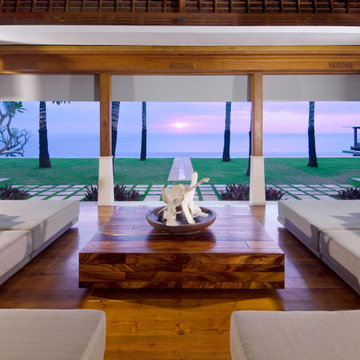
The entrance walkway steps up slowly through the lotus ponds at the front and allows a framed view on approach, this is more in keeping with a traditional Balinese entrance as it is believed that evil spirits cannot turn corners. Only upon entering the living room, will then the view take away one's breath. The furniture will be amended and enlarged so you have a large modular system which can be arranged to suit any occasion. There continues to be a bar in the living space. Large stone designs have been amended within the walls to include a combination of carving and niches to house traditional antiquities.
(Source: https://www.allvillasbali.com/bali-villas/37/the_istana_bali.html)
4