
Search results for "Avoiding excessive" in Home Design Ideas
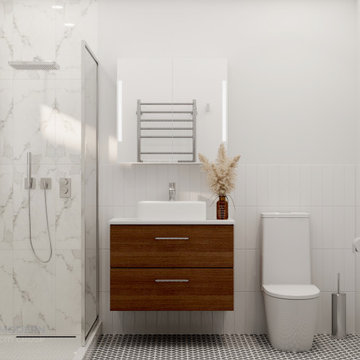
 Modern Citi Group: Renovations & Remodeling
What Is Modern Style?
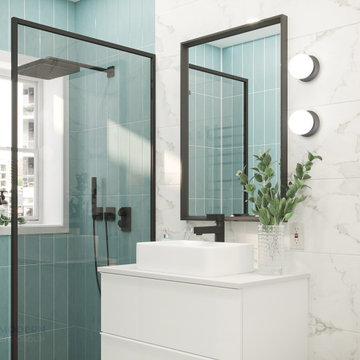
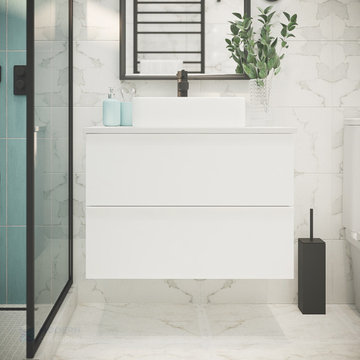
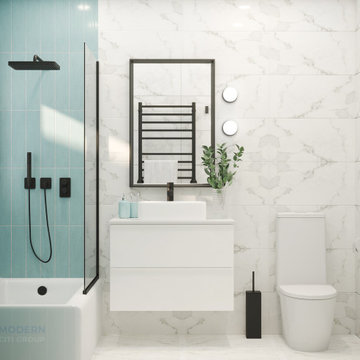
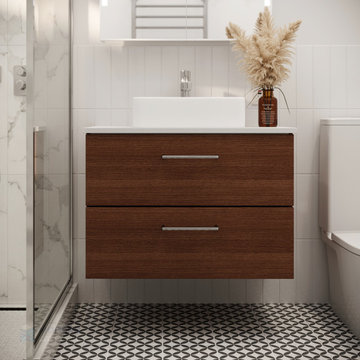
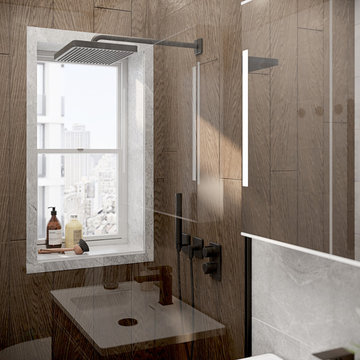
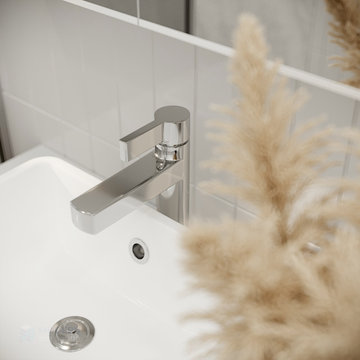
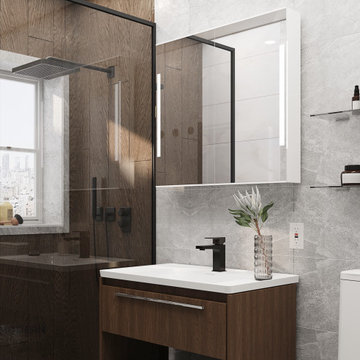
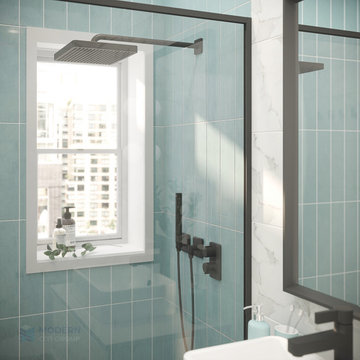
Modern style has its roots in the modernist movement of the early and mid-20th century. Modern architecture and furnishings emphasize form and structure rather than surface ornamentation — think of large expanses of glass; smooth surfaces like concrete, steel, stone and wood; and accents of chrome and black leather.
Modern style is:
- Clean. Excess embellishment is considered a distraction and to be avoided. Think crisp, clean and sculptural. Shapes are strong, with clearly defined lines and planes.
- Architectural. Furnishings echo rather than distract attention from the architecture for a seamless look.
- Minimal. Modern style embraces negative space with spare furnishings and little color or pattern.
Modern style is not:
- Ornamented. A reaction against heavily ornamented traditional styles, this look embraces simplicity of form.
- Trendy. Unlike contemporary style, which taps into up-to-the-minute changes in the design world, modern design feels more securely rooted.
- Cluttered. Furnishings are chosen with care, and accessories are kept to a minimum for a clean, spacious look.
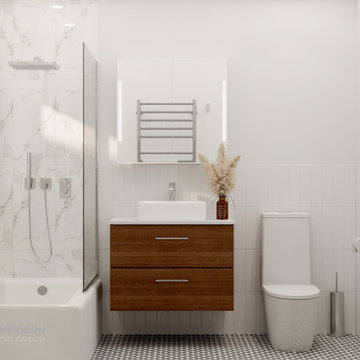 Modern Citi Group: Renovations & Remodeling
What Is Modern Style?
Modern style has its roots in the modernist movement of the early and mid-20th century. Modern architecture and furnishings emphasize form and structure rather than surface ornamentation — think of large expanses of glass; smooth surfaces like concrete, steel, stone and wood; and accents of chrome and black leather.
Modern style is:
- Clean. Excess embellishment is considered a distraction and to be avoided. Think crisp, clean and sculptural. Shapes are strong, with clearly defined lines and planes.
- Architectural. Furnishings echo rather than distract attention from the architecture for a seamless look.
- Minimal. Modern style embraces negative space with spare furnishings and little color or pattern.
Modern style is not:
- Ornamented. A reaction against heavily ornamented traditional styles, this look embraces simplicity of form.
- Trendy. Unlike contemporary style, which taps into up-to-the-minute changes in the design world, modern design feels more securely rooted.
- Cluttered. Furnishings are chosen with care, and accessories are kept to a minimum for a clean, spacious look.
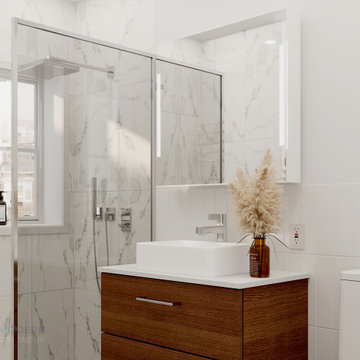 Modern Citi Group: Renovations & Remodeling
What Is Modern Style?
Modern style has its roots in the modernist movement of the early and mid-20th century. Modern architecture and furnishings emphasize form and structure rather than surface ornamentation — think of large expanses of glass; smooth surfaces like concrete, steel, stone and wood; and accents of chrome and black leather.
Modern style is:
- Clean. Excess embellishment is considered a distraction and to be avoided. Think crisp, clean and sculptural. Shapes are strong, with clearly defined lines and planes.
- Architectural. Furnishings echo rather than distract attention from the architecture for a seamless look.
- Minimal. Modern style embraces negative space with spare furnishings and little color or pattern.
Modern style is not:
- Ornamented. A reaction against heavily ornamented traditional styles, this look embraces simplicity of form.
- Trendy. Unlike contemporary style, which taps into up-to-the-minute changes in the design world, modern design feels more securely rooted.
- Cluttered. Furnishings are chosen with care, and accessories are kept to a minimum for a clean, spacious look.
Find the right local pro for your project
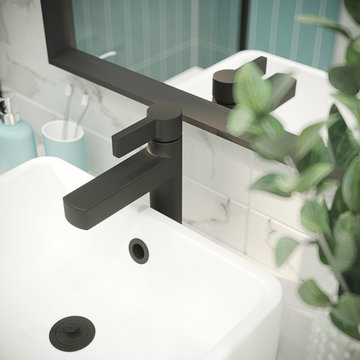 Modern Citi Group: Renovations & Remodeling
What Is Modern Style?
Modern style has its roots in the modernist movement of the early and mid-20th century. Modern architecture and furnishings emphasize form and structure rather than surface ornamentation — think of large expanses of glass; smooth surfaces like concrete, steel, stone and wood; and accents of chrome and black leather.
Modern style is:
- Clean. Excess embellishment is considered a distraction and to be avoided. Think crisp, clean and sculptural. Shapes are strong, with clearly defined lines and planes.
- Architectural. Furnishings echo rather than distract attention from the architecture for a seamless look.
- Minimal. Modern style embraces negative space with spare furnishings and little color or pattern.
Modern style is not:
- Ornamented. A reaction against heavily ornamented traditional styles, this look embraces simplicity of form.
- Trendy. Unlike contemporary style, which taps into up-to-the-minute changes in the design world, modern design feels more securely rooted.
- Cluttered. Furnishings are chosen with care, and accessories are kept to a minimum for a clean, spacious look.
 Modern Citi Group: Renovations & Remodeling
What Is Modern Style?
Modern style has its roots in the modernist movement of the early and mid-20th century. Modern architecture and furnishings emphasize form and structure rather than surface ornamentation — think of large expanses of glass; smooth surfaces like concrete, steel, stone and wood; and accents of chrome and black leather.
Modern style is:
- Clean. Excess embellishment is considered a distraction and to be avoided. Think crisp, clean and sculptural. Shapes are strong, with clearly defined lines and planes.
- Architectural. Furnishings echo rather than distract attention from the architecture for a seamless look.
- Minimal. Modern style embraces negative space with spare furnishings and little color or pattern.
Modern style is not:
- Ornamented. A reaction against heavily ornamented traditional styles, this look embraces simplicity of form.
- Trendy. Unlike contemporary style, which taps into up-to-the-minute changes in the design world, modern design feels more securely rooted.
- Cluttered. Furnishings are chosen with care, and accessories are kept to a minimum for a clean, spacious look.
 Modern Citi Group: Renovations & Remodeling
What Is Modern Style?
Modern style has its roots in the modernist movement of the early and mid-20th century. Modern architecture and furnishings emphasize form and structure rather than surface ornamentation — think of large expanses of glass; smooth surfaces like concrete, steel, stone and wood; and accents of chrome and black leather.
Modern style is:
- Clean. Excess embellishment is considered a distraction and to be avoided. Think crisp, clean and sculptural. Shapes are strong, with clearly defined lines and planes.
- Architectural. Furnishings echo rather than distract attention from the architecture for a seamless look.
- Minimal. Modern style embraces negative space with spare furnishings and little color or pattern.
Modern style is not:
- Ornamented. A reaction against heavily ornamented traditional styles, this look embraces simplicity of form.
- Trendy. Unlike contemporary style, which taps into up-to-the-minute changes in the design world, modern design feels more securely rooted.
- Cluttered. Furnishings are chosen with care, and accessories are kept to a minimum for a clean, spacious look.
 Modern Citi Group: Renovations & Remodeling
What Is Modern Style?
Modern style has its roots in the modernist movement of the early and mid-20th century. Modern architecture and furnishings emphasize form and structure rather than surface ornamentation — think of large expanses of glass; smooth surfaces like concrete, steel, stone and wood; and accents of chrome and black leather.
Modern style is:
- Clean. Excess embellishment is considered a distraction and to be avoided. Think crisp, clean and sculptural. Shapes are strong, with clearly defined lines and planes.
- Architectural. Furnishings echo rather than distract attention from the architecture for a seamless look.
- Minimal. Modern style embraces negative space with spare furnishings and little color or pattern.
Modern style is not:
- Ornamented. A reaction against heavily ornamented traditional styles, this look embraces simplicity of form.
- Trendy. Unlike contemporary style, which taps into up-to-the-minute changes in the design world, modern design feels more securely rooted.
- Cluttered. Furnishings are chosen with care, and accessories are kept to a minimum for a clean, spacious look.
 Modern Citi Group: Renovations & Remodeling
What Is Modern Style?
Modern style has its roots in the modernist movement of the early and mid-20th century. Modern architecture and furnishings emphasize form and structure rather than surface ornamentation — think of large expanses of glass; smooth surfaces like concrete, steel, stone and wood; and accents of chrome and black leather.
Modern style is:
- Clean. Excess embellishment is considered a distraction and to be avoided. Think crisp, clean and sculptural. Shapes are strong, with clearly defined lines and planes.
- Architectural. Furnishings echo rather than distract attention from the architecture for a seamless look.
- Minimal. Modern style embraces negative space with spare furnishings and little color or pattern.
Modern style is not:
- Ornamented. A reaction against heavily ornamented traditional styles, this look embraces simplicity of form.
- Trendy. Unlike contemporary style, which taps into up-to-the-minute changes in the design world, modern design feels more securely rooted.
- Cluttered. Furnishings are chosen with care, and accessories are kept to a minimum for a clean, spacious look.
 Modern Citi Group: Renovations & Remodeling
What Is Modern Style?
Modern style has its roots in the modernist movement of the early and mid-20th century. Modern architecture and furnishings emphasize form and structure rather than surface ornamentation — think of large expanses of glass; smooth surfaces like concrete, steel, stone and wood; and accents of chrome and black leather.
Modern style is:
- Clean. Excess embellishment is considered a distraction and to be avoided. Think crisp, clean and sculptural. Shapes are strong, with clearly defined lines and planes.
- Architectural. Furnishings echo rather than distract attention from the architecture for a seamless look.
- Minimal. Modern style embraces negative space with spare furnishings and little color or pattern.
Modern style is not:
- Ornamented. A reaction against heavily ornamented traditional styles, this look embraces simplicity of form.
- Trendy. Unlike contemporary style, which taps into up-to-the-minute changes in the design world, modern design feels more securely rooted.
- Cluttered. Furnishings are chosen with care, and accessories are kept to a minimum for a clean, spacious look.
 Modern Citi Group: Renovations & Remodeling
What Is Modern Style?
Modern style has its roots in the modernist movement of the early and mid-20th century. Modern architecture and furnishings emphasize form and structure rather than surface ornamentation — think of large expanses of glass; smooth surfaces like concrete, steel, stone and wood; and accents of chrome and black leather.
Modern style is:
- Clean. Excess embellishment is considered a distraction and to be avoided. Think crisp, clean and sculptural. Shapes are strong, with clearly defined lines and planes.
- Architectural. Furnishings echo rather than distract attention from the architecture for a seamless look.
- Minimal. Modern style embraces negative space with spare furnishings and little color or pattern.
Modern style is not:
- Ornamented. A reaction against heavily ornamented traditional styles, this look embraces simplicity of form.
- Trendy. Unlike contemporary style, which taps into up-to-the-minute changes in the design world, modern design feels more securely rooted.
- Cluttered. Furnishings are chosen with care, and accessories are kept to a minimum for a clean, spacious look.
 Modern Citi Group: Renovations & Remodeling
What Is Modern Style?
Modern style has its roots in the modernist movement of the early and mid-20th century. Modern architecture and furnishings emphasize form and structure rather than surface ornamentation — think of large expanses of glass; smooth surfaces like concrete, steel, stone and wood; and accents of chrome and black leather.
Modern style is:
- Clean. Excess embellishment is considered a distraction and to be avoided. Think crisp, clean and sculptural. Shapes are strong, with clearly defined lines and planes.
- Architectural. Furnishings echo rather than distract attention from the architecture for a seamless look.
- Minimal. Modern style embraces negative space with spare furnishings and little color or pattern.
Modern style is not:
- Ornamented. A reaction against heavily ornamented traditional styles, this look embraces simplicity of form.
- Trendy. Unlike contemporary style, which taps into up-to-the-minute changes in the design world, modern design feels more securely rooted.
- Cluttered. Furnishings are chosen with care, and accessories are kept to a minimum for a clean, spacious look.
 Modern Citi Group: Renovations & Remodeling
What Is Modern Style?
Modern style has its roots in the modernist movement of the early and mid-20th century. Modern architecture and furnishings emphasize form and structure rather than surface ornamentation — think of large expanses of glass; smooth surfaces like concrete, steel, stone and wood; and accents of chrome and black leather.
Modern style is:
- Clean. Excess embellishment is considered a distraction and to be avoided. Think crisp, clean and sculptural. Shapes are strong, with clearly defined lines and planes.
- Architectural. Furnishings echo rather than distract attention from the architecture for a seamless look.
- Minimal. Modern style embraces negative space with spare furnishings and little color or pattern.
Modern style is not:
- Ornamented. A reaction against heavily ornamented traditional styles, this look embraces simplicity of form.
- Trendy. Unlike contemporary style, which taps into up-to-the-minute changes in the design world, modern design feels more securely rooted.
- Cluttered. Furnishings are chosen with care, and accessories are kept to a minimum for a clean, spacious look.
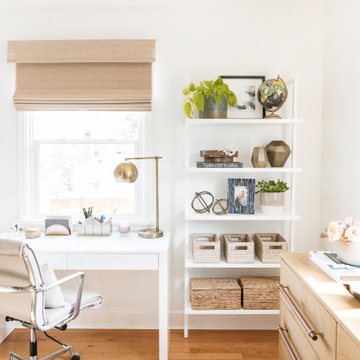

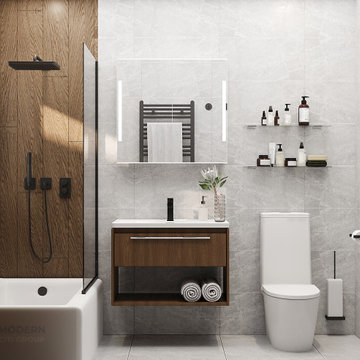 Modern Citi Group: Renovations & Remodeling
What Is Modern Style?
Modern style has its roots in the modernist movement of the early and mid-20th century. Modern architecture and furnishings emphasize form and structure rather than surface ornamentation — think of large expanses of glass; smooth surfaces like concrete, steel, stone and wood; and accents of chrome and black leather.
Modern style is:
- Clean. Excess embellishment is considered a distraction and to be avoided. Think crisp, clean and sculptural. Shapes are strong, with clearly defined lines and planes.
- Architectural. Furnishings echo rather than distract attention from the architecture for a seamless look.
- Minimal. Modern style embraces negative space with spare furnishings and little color or pattern.
Modern style is not:
- Ornamented. A reaction against heavily ornamented traditional styles, this look embraces simplicity of form.
- Trendy. Unlike contemporary style, which taps into up-to-the-minute changes in the design world, modern design feels more securely rooted.
- Cluttered. Furnishings are chosen with care, and accessories are kept to a minimum for a clean, spacious look.
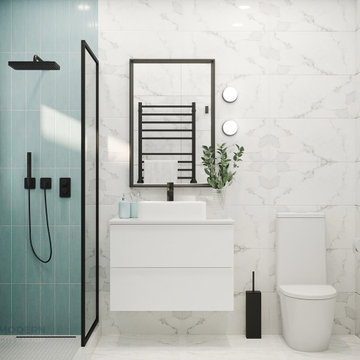 Modern Citi Group: Renovations & Remodeling
What Is Modern Style?
Modern style has its roots in the modernist movement of the early and mid-20th century. Modern architecture and furnishings emphasize form and structure rather than surface ornamentation — think of large expanses of glass; smooth surfaces like concrete, steel, stone and wood; and accents of chrome and black leather.
Modern style is:
- Clean. Excess embellishment is considered a distraction and to be avoided. Think crisp, clean and sculptural. Shapes are strong, with clearly defined lines and planes.
- Architectural. Furnishings echo rather than distract attention from the architecture for a seamless look.
- Minimal. Modern style embraces negative space with spare furnishings and little color or pattern.
Modern style is not:
- Ornamented. A reaction against heavily ornamented traditional styles, this look embraces simplicity of form.
- Trendy. Unlike contemporary style, which taps into up-to-the-minute changes in the design world, modern design feels more securely rooted.
- Cluttered. Furnishings are chosen with care, and accessories are kept to a minimum for a clean, spacious look.
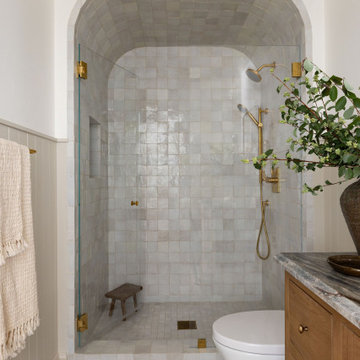


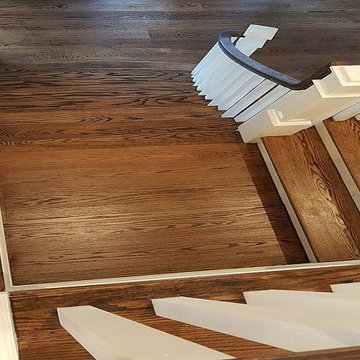
 Flip 2 Hardwood Floors
Wood flooring adds style and warmth to a home. It can greatly enhance the overall beauty of a home and make it look visually pleasing. Although the popularity of wooden flooring has increased significantly in recent years, many people are not aware of the fact that solid hardwood flooring is not the only option available to them. They can also install engineered wood floors and laminate floors in homes and offices.
Although, laminate and engineered wood floors look like solid hardwood floors, but they are very different. Engineered wood flooring is made from natural materials. In this type of flooring, several layers of ply are bonded together. Laminate flooring, on the other hand, is made from synthetic materials.
Let’s take a look at how engineered wood floors and laminate floors stack up against each other-
- Composition
- Installation
- Maintenance
- Life Expectancy and Cost
- Options
 Drewett Works
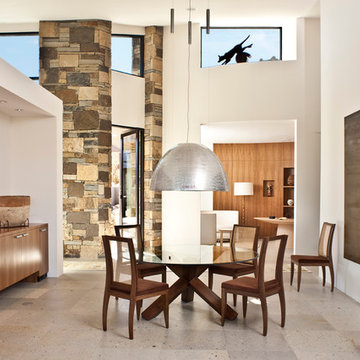
Designed to embrace an extensive and unique art collection including sculpture, paintings, tapestry, and cultural antiquities, this modernist home located in north Scottsdale’s Estancia is the quintessential gallery home for the spectacular collection within. The primary roof form, “the wing” as the owner enjoys referring to it, opens the home vertically to a view of adjacent Pinnacle peak and changes the aperture to horizontal for the opposing view to the golf course. Deep overhangs and fenestration recesses give the home protection from the elements and provide supporting shade and shadow for what proves to be a desert sculpture. The restrained palette allows the architecture to express itself while permitting each object in the home to make its own place. The home, while certainly modern, expresses both elegance and warmth in its material selections including canterra stone, chopped sandstone, copper, and stucco.
Project Details | Lot 245 Estancia, Scottsdale AZ
Architect: C.P. Drewett, Drewett Works, Scottsdale, AZ
Interiors: Luis Ortega, Luis Ortega Interiors, Hollywood, CA
Publications: luxe. interiors + design. November 2011.
Featured on the world wide web: luxe.daily
Photos by Grey Crawford
 Feeney Inc.
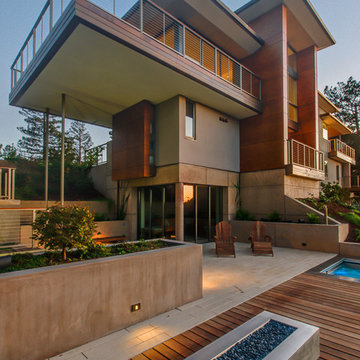
Large multi-level residence with DesignRail® railings.
Treve Johnson Photography, 2M Architecture
Inspiration for a large contemporary deck remodel in San Francisco
Inspiration for a large contemporary deck remodel in San Francisco
4